
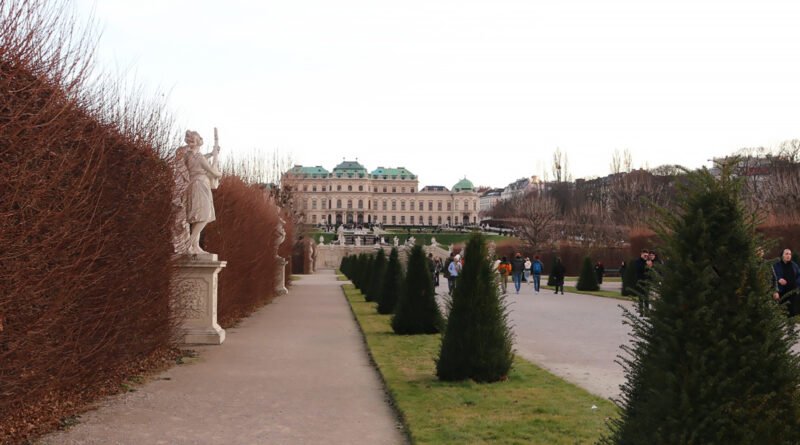
Belvedere Palace in Vienna
Belvedere Park in Vienna is one of the city’s most iconic cultural and historical landmarks, known not only for its beautifully designed Baroque gardens but also for housing one of Europe’s most significant art collections. The Belvedere complex consists of the Upper Belvedere, Lower Belvedere, and the Belvedere 21 Museum, each offering a unique perspective on Austrian history, architecture, and art. I visited Upper Palace and below I will write more about this experience. Built in the early 18th century for Prince Eugene of Savoy, this grand estate stands as a testament to imperial luxury and artistic heritage. Whether you are an art lover, a history enthusiast, or simply someone who enjoys stunning architecture and peaceful green surroundings, Belvedere Park is one of Vienna’s must-visit cultural sites.

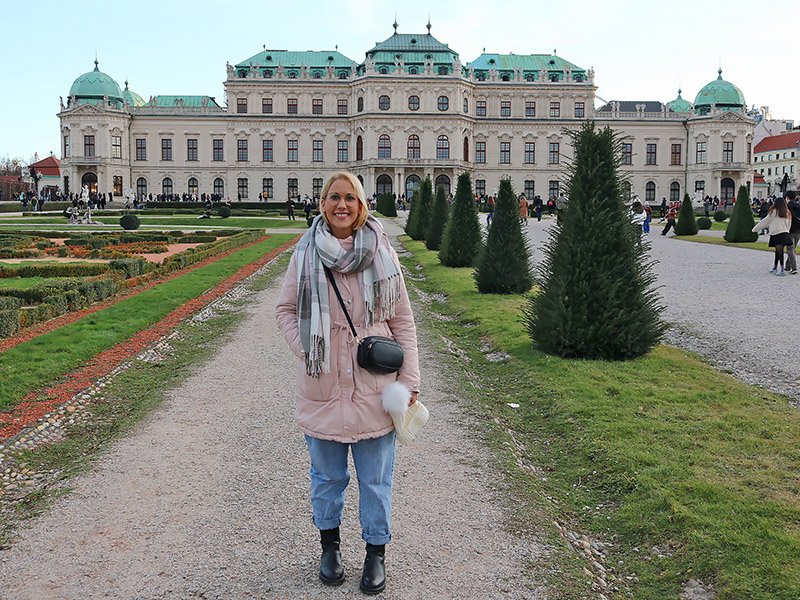
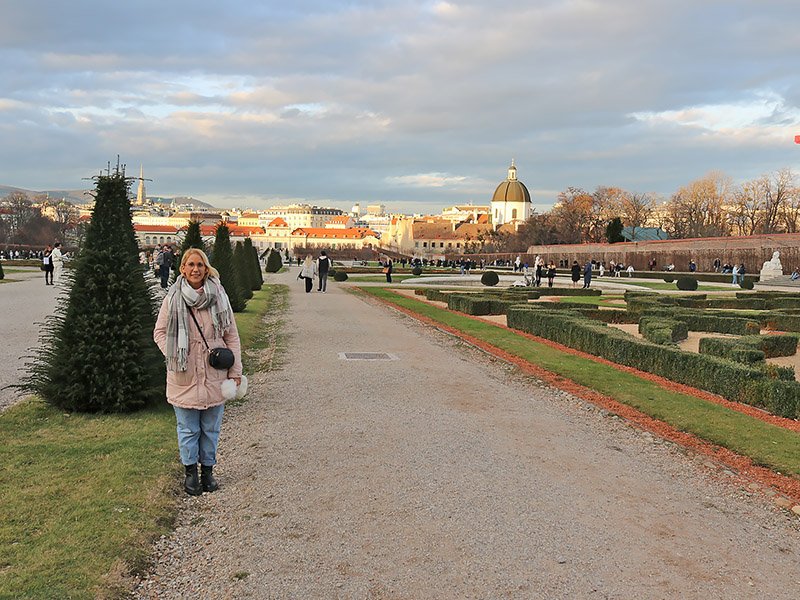
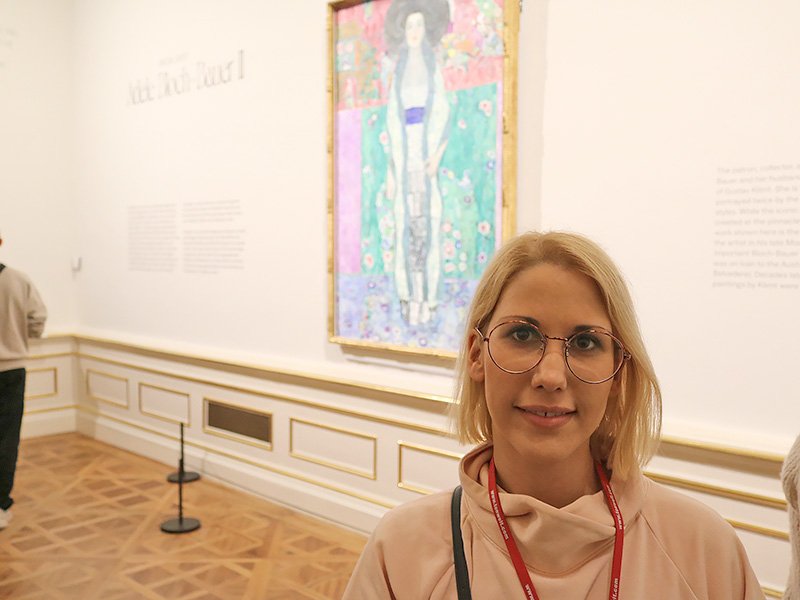
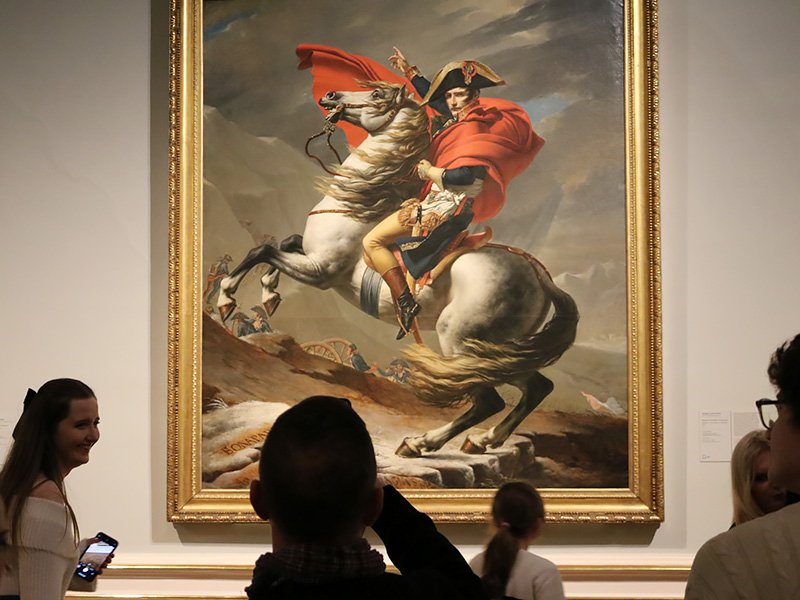
Inside the Upper Belvedere: What to See
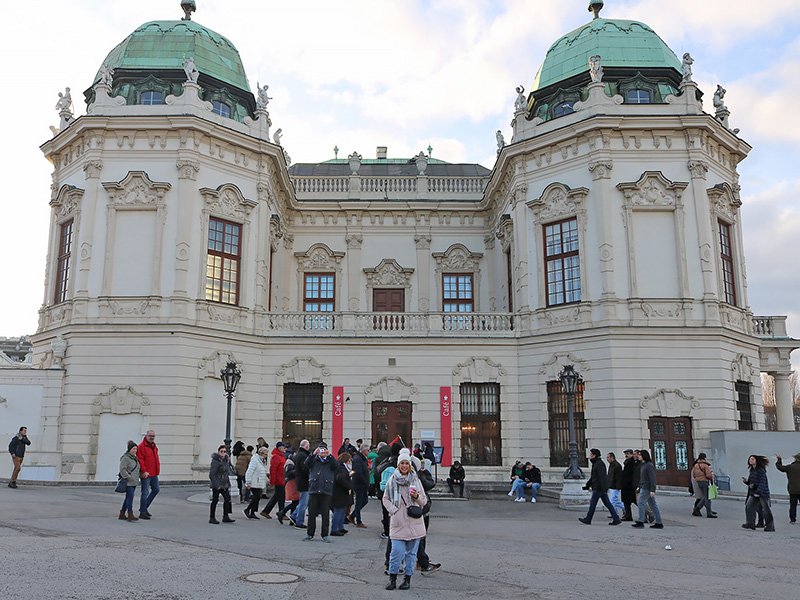
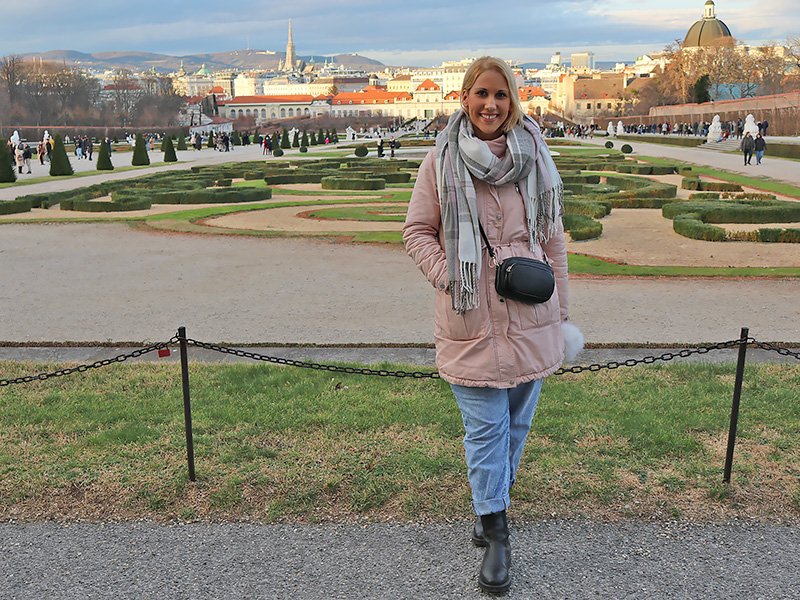
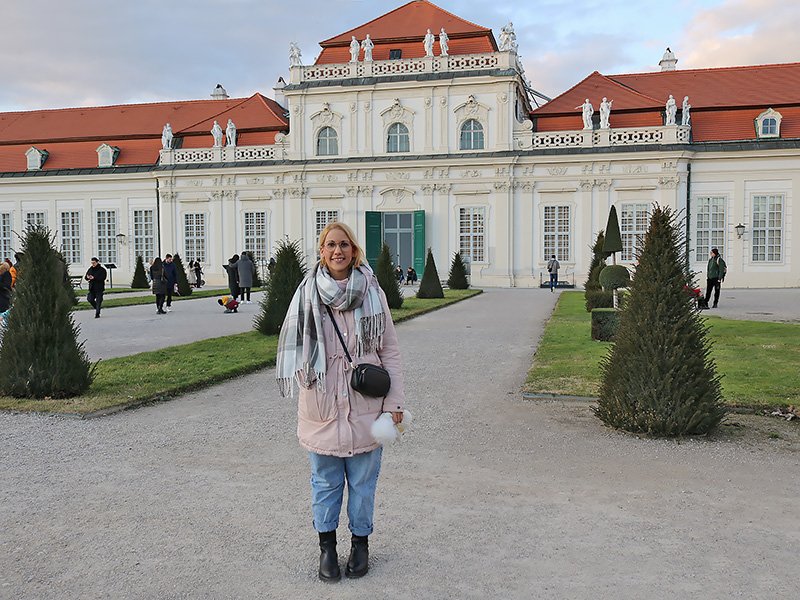
The Upper Belvedere is the highlight of the complex and home to the world-famous collection of Austrian art, including works from the Middle Ages to the early 20th century. The most notable and celebrated masterpiece on display is “The Kiss” by Gustav Klimt, one of the most recognized and beloved paintings in the world. In addition to Klimt’s works, you will also find paintings by Egon Schiele, Oskar Kokoschka, and masterpieces of European Romanticism and Impressionism. The palace itself is a work of art, featuring ornate frescoes, grand halls, and panoramic views of Vienna. The gardens connecting the Upper and Lower Belvedere are free to explore and are designed in a tiered French Baroque style, perfect for a relaxing walk or photography.
Why You Should Visit Vienna’s Belvedere
This experience is an essential part of understanding Vienna’s cultural identity. The Belvedere collection showcases the evolution of Austrian modernism and highlights historical artistic shifts that shaped European art. For me personally, this was one of the most memorable museums I visited in Vienna, especially because of the emotional impact of viewing Klimt’s works in person. However, it is important to note that the museum can be extremely crowded, especially in peak travel seasons. The presence of many tourists slightly reduced the intimacy of the experience, but the artwork itself is extraordinary and absolutely worth the visit. Tickets are purchased separately for each pavilion (Upper Belvedere, Lower Belvedere, and Belvedere 21), so plan your visit ahead to make the most of your time and budget.
Tips and Essentials
📍ADDRESS:
Upper Belvedere
Prinz-Eugen-Straße 27, Vienna
Lower Belvedere
Rennweg 6, Vienna
Belvedere 21
Arsenalstraße 1, Vienna
🕚 WORKING HOURS:
Upper Belvedere
Mon – Sun: 09:00 – 18:00
Lower Belvedere
Mon – Sun: 10:00 – 18:00
Belvedere 21
Tue – Sun: 11:00 – 18:00
Late Night: Thursday: 11:00 – 21:00
(Open Mondays on holidays.)
🔔 TIME NEEDED FOR THE VISIT:
Read more below.
More details
Upper Belvedere | 1.5 HOURS – Quick visit. | 2.5 HOURS – Detailed tour.
Lower Belvedere | 1 HOUR – Quick visit. | 2 HOURS – Detailed tour.
Belvedere 21 | 1.5 HOURS – Quick visit. | 2.5 HOURS – Detailed tour.
+ 1 HOUR For visiting the garden, walking and taking the photos.
🚋 PUBLIC TRANSPORT NEARBY:
D, CJX9, R3, R, REX1, REX2, REX3, REX9, REX92, S1, S2, S3, S4, 71, N71
🎟️ TICKETS:
Full price list find HERE.
GIFT SHOP: ✅ | CAFÉ: ✅
REST AREA: ✅ | TOILET: ✅
🌐 OFFICIAL WEBSITE:
Austrian Gallery Belvedere
Interactivity and Guides
To deepen your experience, consider booking an audio guide, which explains the history of the Belvedere complex as well as the artistic context of the works on display. Guided tours are also available and can provide more insight into the fascinating lives and influences behind artists like Klimt and Schiele. The museum offers multilingual materials and well-organized signage, making it accessible even without a guide. Exploring the gardens between the palace buildings adds an extra layer of enjoyment, providing a peaceful contrast to the busy indoor galleries.