First Time in Europe? Essential Travel Tips for Your First Europe Trip
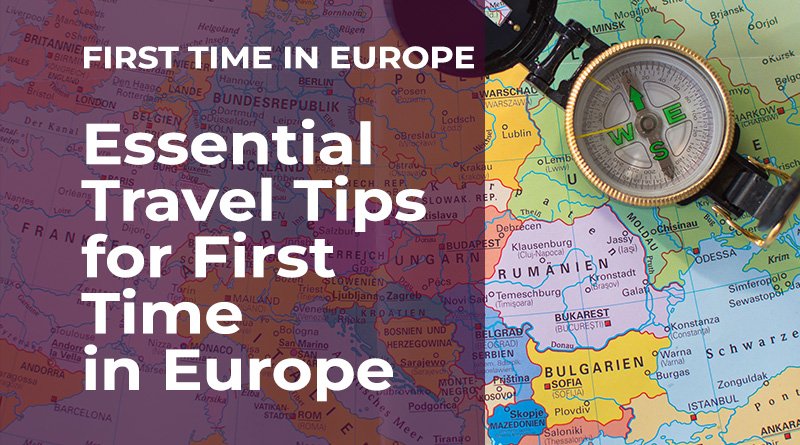
If this is your first trip to Europe, it is easy to feel overwhelmed by the number of countries, cities, museums, landmarks and experiences you could potentially visit. Europe may look small on a map, but there is an enormous amount to see. Trying to fit everything into one trip can quickly turn an exciting holiday into a stressful race from one destination to another.
After travelling to different European cities and spending time exploring their museums, historic landmarks, neighbourhoods, food and local culture, I have learned that seeing more does not necessarily mean experiencing more. If you are planning your first trip to Europe, these are the travel tips I would genuinely recommend keeping in mind.
Cultural differences can sometimes be one of the biggest surprises when travelling to Europe for the first time. If you’re coming from a very different cultural background, read my guide to First Time in Europe? Cultural Differences to Know Before You Go before your trip.
1. Don’t Plan Your Trip Around “Must-See” Lists
One of the first things I would recommend is not letting generic “must-see” lists decide where you go. Instead, start with yourself. What are you actually interested in? Do you love art and museums, history, architecture, food, nature, local traditions or nightlife? Once you know what you want to experience, search for European destinations based on those interests.
For example, if you are passionate about art, there is little reason to choose a destination simply because everyone says it is a must-visit. You may enjoy a city with an exceptional museum scene much more.
At the same time, I would try to look for experiences that are specific to the destination. If you are coming all the way to Europe, why spend your limited travel time doing activities that you can easily find at home? Escape rooms, generic entertainment venues and other universal activities exist in many countries. Instead, look for something that tells you something about the place you are visiting. Explore its architecture, local food, museums, traditions, historical sites, music, neighbourhoods and cultural experiences.
The goal of your first trip to Europe should not simply be to collect destinations. It should be to experience places that are different from what you already know.
2. Don’t Underestimate Transport and Travel Time
One of the easiest mistakes to make when planning a European trip is to calculate only the time you will spend actually sightseeing. You may think you have eight hours available for exploring a city, but how much of those eight hours will actually be spent walking around museums, landmarks and neighbourhoods? You need to account for everything in between. Getting from the airport to your accommodation, reaching a museum, waiting for a train, changing lines, walking from a station to an attraction and dealing with unexpected delays can take much more time than you initially expect.
And transport is not equally efficient everywhere. Some European cities have incredibly well-organised public transport systems, while in others you may encounter delays or longer waiting times than expected. Before creating your itinerary, research how the transport system actually works and, whenever possible, look at information from travellers who have recently visited.
I include practical information about transportation, as well as safety, food and hospitality in my city travel guides because these details can make a big difference when planning your itinerary. To find this information, simply search for the city you are planning to visit on my website. Below the list of museums and cultural attractions, you’ll find practical sections covering transportation, safety, food and hospitality, so you can get a better idea of what to expect before planning your days.
And most importantly, don’t expect to see everything on your first trip to Europe. You won’t and that’s completely fine. There will always be another museum, another neighbourhood, another city and another country waiting for you. Once you accept that you cannot see everything, planning becomes much easier.
3. Give Yourself Enough Time to Experience a Culture
Europe may look small on a map, but its cultural diversity is enormous. Travelling from one country to another can sometimes take only a few hours, but that does not mean you can meaningfully experience several different cultures in a very short amount of time. If you spend one day in one city, wake up somewhere else the next morning and move again the following day, your trip can quickly become more about packing, transport and logistics than actually experiencing the destinations.
Give yourself enough time to explore the places you visit. Visit the interesting sights, but also leave room to walk around, sit in a cafe, try local food and simply observe how the city feels. The larger the city, the more you will generally have to see and do. However, large international cities can also feel less culturally specific because their populations are often very diverse. That is not necessarily a negative thing. It is simply something to consider when deciding what kind of experience you want from your first trip to Europe.
If experiencing distinct local cultures is your priority, consider combining major European cities with smaller cities or destinations where local traditions and character are more immediately visible.
4. Cheap Flights Aren’t Always the Cheapest Option
Budget airlines can make travelling around Europe surprisingly affordable, and they can be a great way to reduce your travel costs. But don’t look only at the ticket price. A very cheap flight may leave at an inconvenient time, arrive at an airport far outside the city or require additional transport costs. And sometimes the cheapest option is a night flight.
While that may look like a clever way to save money on accommodation, think about what happens the next day. If you arrive exhausted and spend half of the following day recovering, you haven’t necessarily saved anything. You’ve simply exchanged money for valuable travel time. When comparing flights, consider the total cost and the time you are giving up, not just the price displayed on the ticket.
5. Consider Buying a Public Transport Card
If you are staying in a large European city for several days, check whether it offers a public transport card covering buses, trams, metro or other local transport. Buying a card in advance can save you both time and hassle. Instead of buying an individual ticket every time you need to travel, you can often simply use the same card throughout your stay. Many European cities have excellent public transport systems that make it possible to reach almost every part of the city without needing a car.
Before your trip, check which ticket or travel card is best for the number of days you are staying and the areas you plan to visit. Sometimes the best travel purchase is not another sightseeing pass, but simply something that makes moving around the city easier.
If you are traveling in Vienna, check my post Vienna PASS vs Vienna CITY CARD: Which Is Better for Your Trip? as example ofTransport Cards.
6. Don’t Overplan Every Day
I am probably guilty of this one myself. When I travel, I also want to see as much as possible and make the most of every day. But over time, I have learned that not every hour of a trip needs to be planned. You may have a perfectly organised itinerary with five museums, three landmarks and a restaurant reservation – only to realise that the best moment of the day was the hour you spent walking through a neighbourhood without a plan.
Leave some empty space in your itinerary. A simple walk can become a memorable experience. You might discover a beautiful street, have an unexpected conversation with a local, find a small cafe or simply sit down for a drink and watch the city around you. Plan enough to make your trip manageable, but don’t plan so much that you leave no room for the unexpected.
If you’re unsure how much time you need to explore a particular city, I’ve written about this for several cities I’ve visited. You can start with my guides How Many Days Do You Need in Vienna?, How Many Days Do You Need in Milan?, How Many Days Do You Need in Barcelona? etc.
7. Learn the Local Rules Before You Go
Europe is not one destination with one universal set of rules. Opening hours, public holidays, museum schedules, transport systems, ticketing rules, restaurant hours and even payment methods can vary significantly from one country or city to another.
Before travelling, check:
- public holidays during your visit
- museum and attraction opening hours
- whether advance reservations are required
- public transport tickets and passes
- airport transfer options
- local customs and practical rules
- restaurant opening hours
This is particularly important if you are travelling around Christmas, New Year’s Eve or other major holidays, when opening hours can be very different from the regular schedule. A few minutes of research before your trip can save you hours of frustration once you arrive.
8. Book the Most Popular Attractions in Advance
One of the biggest mistakes you can make on your first trip to Europe is waiting until you arrive to book the city’s most popular attractions. For major museums, landmarks and experiences, I recommend booking at least a month in advance whenever possible.
Some of Europe’s most popular attractions have limited time slots and can sell out well before your trip, especially during the high season and around Christmas, Easter or other holidays. This is particularly important for places such as major museums, famous landmarks and attractions that require timed entry. Booking ahead also makes planning the rest of your itinerary much easier. Once you know when your most important visits are scheduled, you can organise the rest of your day around them instead of trying to fit everything in at the last minute.
Your First Trip to Europe Doesn’t Have to Be Perfect
Your first trip to Europe will probably not go exactly according to plan and that’s part of travelling. You may miss a museum, discover that an attraction is closed, spend longer on public transport than expected or realise that you needed another day in a particular city. That’s okay.
Instead of asking “How much can I see?”, ask yourself “What do I actually want to experience?” Choose destinations that match your interests, allow enough time for transport and logistics, leave some space in your itinerary and, most importantly, give yourself the opportunity to experience the culture of the places you visit.
That will make your first Europe trip feel much less like a checklist and much more like a real travel experience.
Know the Culture Before You Go
Learn what may be different in Europe, avoid awkward misunderstandings, and travel with greater confidence and respect. Read my guide First Time in Europe? Cultural Differences to Know Before You Go for practical tips before you go.