
The Main Squares in Central Lisbon – A Glimpse into the City’s Everyday Life
Lisbon’s city center is filled with historic squares that many guides list as must-see attractions: Rossio Square, Restauradores Square, Figueira Square, and Marquês de Pombal Square. Each of them holds a piece of Lisbon’s history, from the reconstruction that followed the 1755 earthquake to the urban development of the 19th and 20th centuries. Rossio Square (Praça Dom Pedro IV) has long been the social heart of the city, while Restauradores Square commemorates Portugal’s independence from Spanish rule in 1640. Figueira Square is known for its large statue of King João I, and Marquês de Pombal Square honors the statesman who rebuilt Lisbon after the great earthquake. They’re important from a historical perspective, but visually and experientially, they’re not the most impressive parts of the city.
What to see
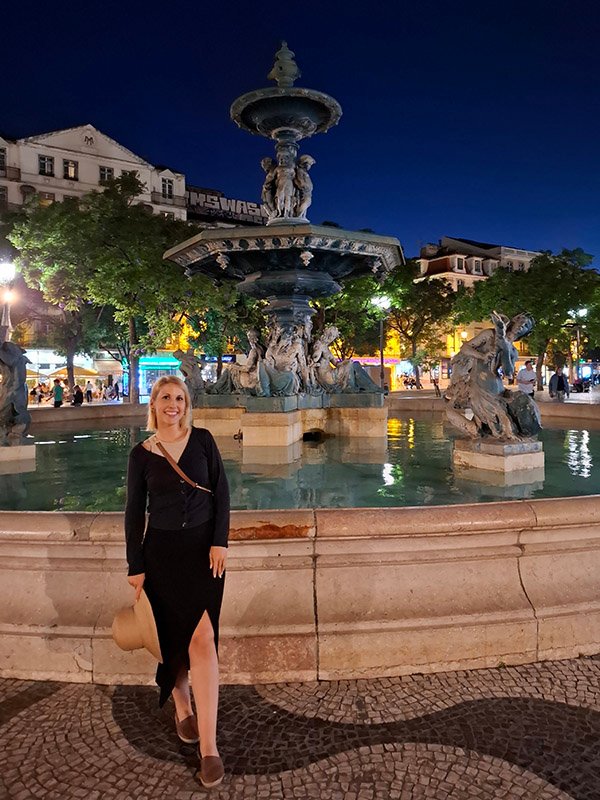
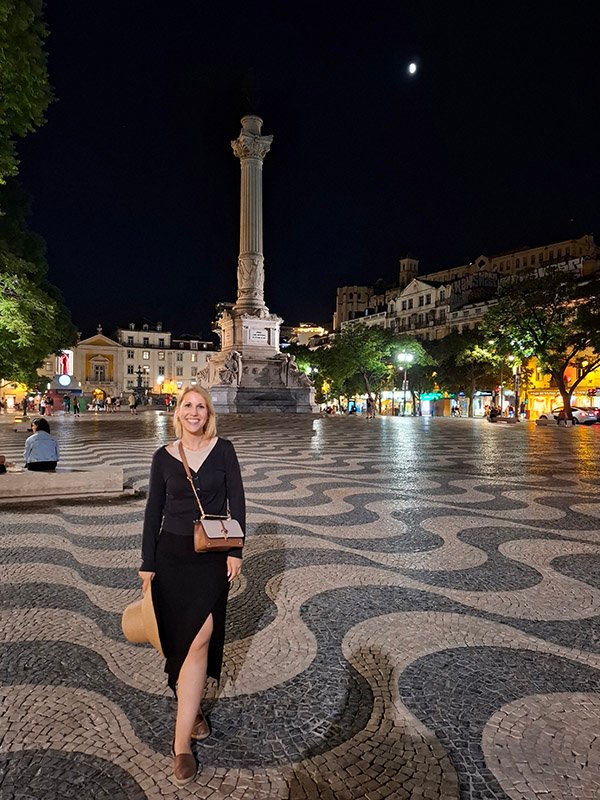
Lisbon’s Rossio Square (Praça Dom Pedro IV) has been the city’s lively meeting point for centuries. Surrounded by elegant 18th-century buildings and the National Theatre D. Maria II, the square is instantly recognizable by its black-and-white wave-patterned cobblestones – a design said to represent the connection between Portugal and the sea. It has witnessed royal parades, political revolutions, and even public executions during the Inquisition, making it one of Lisbon’s most historically charged places.
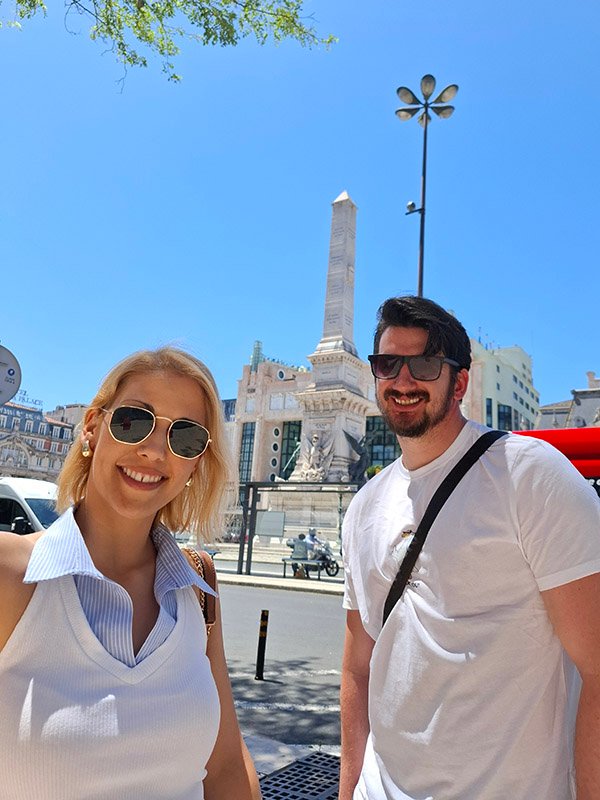
Just a short walk away lies Restauradores Square, built to commemorate Portugal’s Restoration of Independence in 1640 after sixty years of Spanish rule. Its towering obelisk lists the names and dates of key battles fought for freedom, standing as a proud symbol of national resilience. The surrounding buildings reflect early 20th-century charm, and the square serves as a gateway to Avenida da Liberdade, Lisbon’s most elegant boulevard filled with luxury shops and cafés.
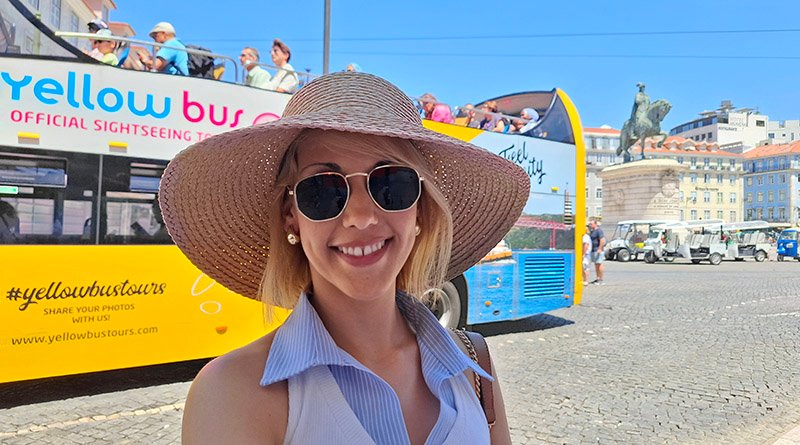
Next, you’ll find Figueira Square (Praça da Figueira), a favorite among locals for its open-air cafés and the vibrant market atmosphere it once had. Dominated by a bronze statue of King João I, the square offers a glimpse into the everyday rhythm of Lisbon life – a place where history and modernity blend effortlessly. Legend has it that beneath this area once stood a hospital that was destroyed in the 1755 earthquake, after which the square was rebuilt as part of the city’s grand reconstruction plan.
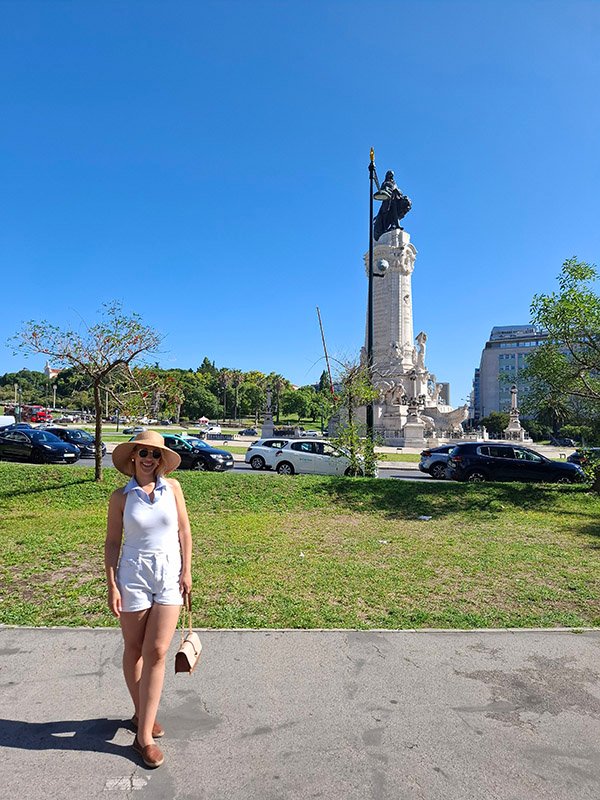
Finally, at the top of Avenida da Liberdade stands Marquês de Pombal Square, honoring Sebastião José de Carvalho e Melo, the visionary prime minister who led Lisbon’s recovery after the earthquake. His statue looks down the grand avenue toward the river, symbolizing the rebirth of the city. The surrounding gardens and roundabout mark the start of Eduardo VII Park, offering one of the best panoramic views of Lisbon.
Together, these squares form a walkable timeline through Portugal’s resilience, creativity, and soul – each one telling a different chapter of Lisbon’s fascinating story.
Tips and Essentials
📍ROSSIO SQUARE:
1100-200 Lisbon, Portugal
📍MARQUES DE POMBAL SQUARE:
Pç do Marquês de Pombal
📍 FIGUEIRA SQUARE:
1100-241 Lisbon, Portugal
📍RESTAURADORES SQUARE:
1250-001 Lisbon, Portugal