
What Is the Best Time to Visit Thessaloniki?
When planning a trip to northern Greece, one of the first questions travelers ask is: What is the best time to visit Thessaloniki? The answer depends on the type of experience you’re looking for. While the city is worth visiting year-round, each season offers something different.
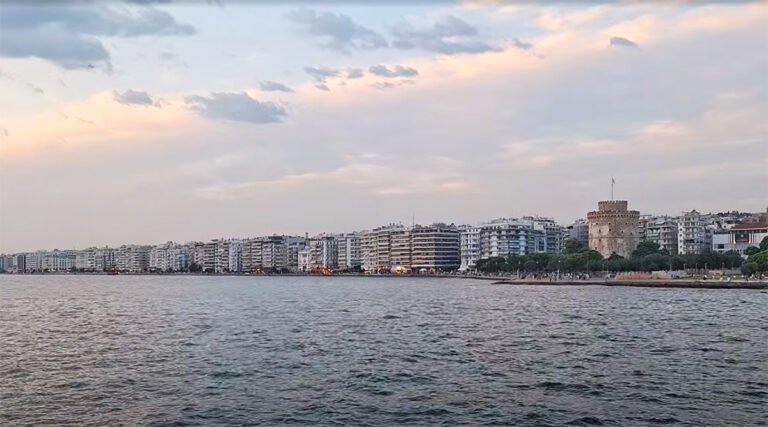
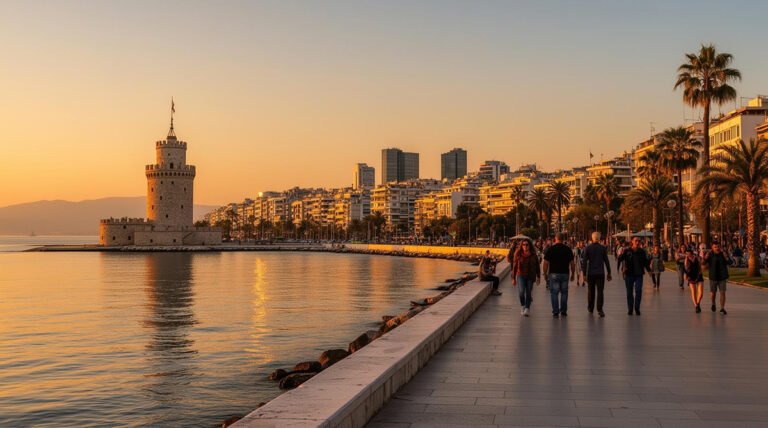
During my summer trip to Thessaloniki, I chose to stay in the seaside town of Perea rather than in the city center. It turned out to be the perfect base, allowing me to combine relaxing beach days with cultural sightseeing. On the days dedicated to exploring Thessaloniki, I would head into the city in the morning and spend most of the day visiting museums, archaeological sites, and historic neighborhoods before returning to the beach in the evening for a swim. On other days, after enjoying the sea throughout the day, I would go back to Thessaloniki in the late afternoon to stroll along the waterfront, have dinner at a traditional taverna, and watch the sunset over the Thermaic Gulf. This balance between culture and the coast is exactly what made me fall in love with Thessaloniki. For a complete breakdown of what to see, where to go, and how to make the most of your trip, check out my FULL THESSALONIKI TRAVEL GUIDE.
For panoramic views of the city, the OTE Tower is one of the best spots in Thessaloniki, especially at sunset when the skyline and the Thermaic Gulf are beautifully lit.
Summer (June to August): The Perfect Combination of Culture and Beach Holidays
Having visited Thessaloniki in the middle of summer, I initially expected the heat to make sightseeing difficult. Instead, I found that with a little planning – exploring museums in the morning or late afternoon and spending the hottest hours by the sea – it became one of my favorite summer destinations in Greece.
Summer is the busiest and most vibrant season in Thessaloniki. Long sunny days, lively waterfront cafés, open-air events, and easy access to nearby beaches make it an excellent destination for travelers who want more than a traditional beach holiday. While temperatures in July and August can exceed 35°C, sightseeing is still enjoyable if you plan museum visits and walking tours during the cooler parts of the day.
A small downside of visiting Thessaloniki in the summer is that everything tends to be geared toward mainstream tourism, with a strong focus on accommodation, beaches, and restaurants. Because of this, it’s important to plan ahead and double-check opening hours for the museums you want to visit. In my experience, things can sometimes be more flexible or less strictly updated than you might expect, so a bit of extra organization goes a long way in making the most of your time in the city.
Spring (April to May): Perfect for Sightseeing
Spring is one of the most comfortable seasons for exploring Thessaloniki on foot. Mild temperatures make it ideal for visiting archaeological sites, wandering through Ano Poli (the Upper Town), or enjoying long walks along the city’s famous waterfront.
If your main goal is discovering Thessaloniki’s history, museums, and local food rather than swimming, spring offers excellent conditions with fewer crowds than the peak summer months.
Autumn (September to October): Warm Weather Without the Crowds
Early autumn is another fantastic time to visit. The sea remains warm enough for swimming, while daytime temperatures become much more pleasant for sightseeing.
September is particularly attractive because you can still enjoy nearby beaches while avoiding the peak summer holiday rush. Restaurants, museums, and attractions generally feel a bit calmer compared to midsummer, creating a more relaxed travel experience without being crowded at any point of the year. A great example of this balance is the OTE Tower, which combines a restaurant and panoramic viewpoint in one, making it an ideal spot to enjoy both a meal and sunset views over the city.
Winter (November to March): A Different Side of Thessaloniki
Winter may not be the obvious choice, but it has its own charm. Museums, cafés, and traditional tavernas become the focus of the trip, and you’ll experience the city much more like a local. Although beach trips are no longer an option, Thessaloniki’s rich cultural heritage, lively food scene, and festive atmosphere around Christmas still make it an enjoyable destination for a short city break.
Beyond tourism, Thessaloniki also has a strong everyday energy during the colder months. It is an important commercial hub in northern Greece and a true university city, home to one of the largest student populations in the country thanks to Aristotle University of Thessaloniki. This gives the city a year-round vibrancy, with busy cafés, cultural events, and an active social life that continues even when the summer crowds are gone.
So, What Is the Best Time to Visit Thessaloniki?
If you ask me, summer or early autmn is the best season to visit Thessaloniki. It’s one of the few destinations where you can combine world-class museums, fascinating history, outstanding Greek cuisine, lively nightlife, and beautiful beaches – all within the same trip. A great way to get an overview of the city, especially if you’re short on time, is the Hop-on hop-off bus, which covers most of Thessaloniki’s main attractions.
That said, if you’re planning a short cultural getaway and prefer cooler temperatures, spring and autumn are also excellent choices. No matter when you visit, Thessaloniki offers an authentic side of Greece that goes far beyond the country’s famous islands, making it a destination well worth adding to your travel plans.