Fado Museum in Lisbon
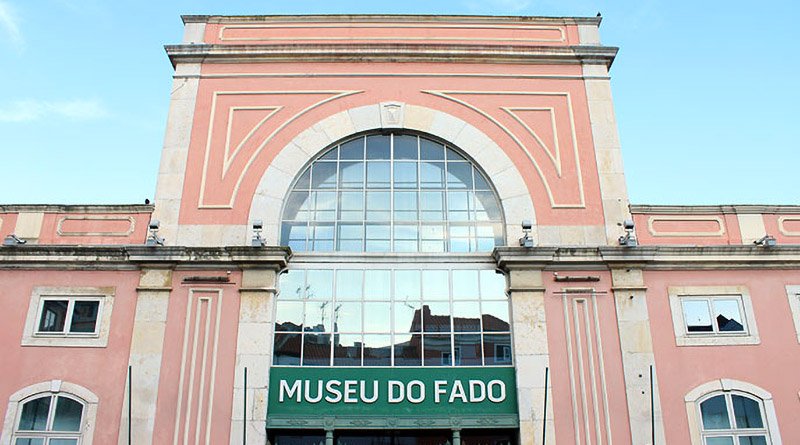
The Fado Museum in Lisbon (Museu do Fado) is an essential landmark to visit for anyone wishing to understand the history and spirit of the Portuguese people, as it celebrates Portugal’s most iconic music genre — fado. Located in the heart of Alfama, Lisbon’s oldest neighborhood, the museum celebrates the deep emotional roots of this traditional style of music, which has been an essential part of Portuguese identity since the early 19th century.
Opened in 1998, the museum offers visitors a journey through the history of traditional Portuguese fado music, which dates back to the 1820s. The permanent exhibition guides visitors through the evolution of fado, showcasing its greatest performers, composers, and cultural promoters. Through photographs, recordings, instruments, and interactive displays, guests gain insight into how this soulful art form – once the music of Lisbon’s streets and taverns – has evolved into a recognized symbol of national heritage and UNESCO Intangible Cultural Heritage.
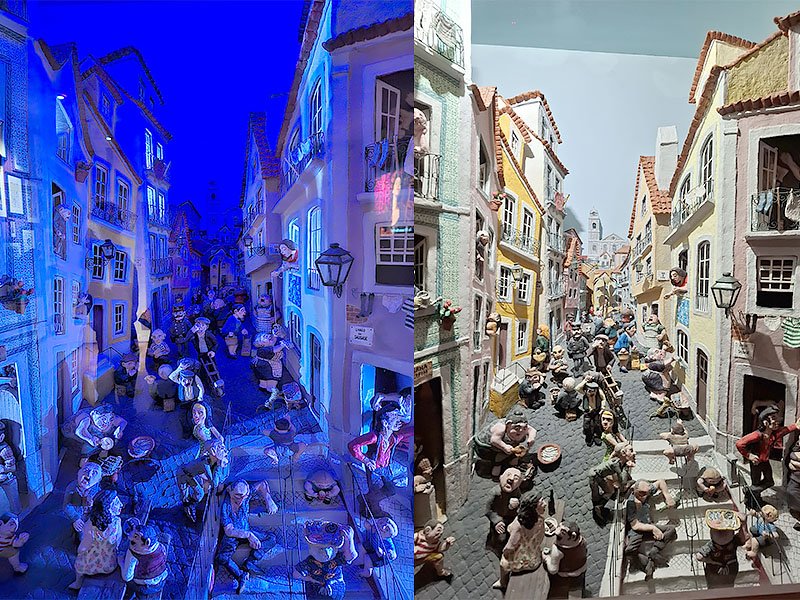
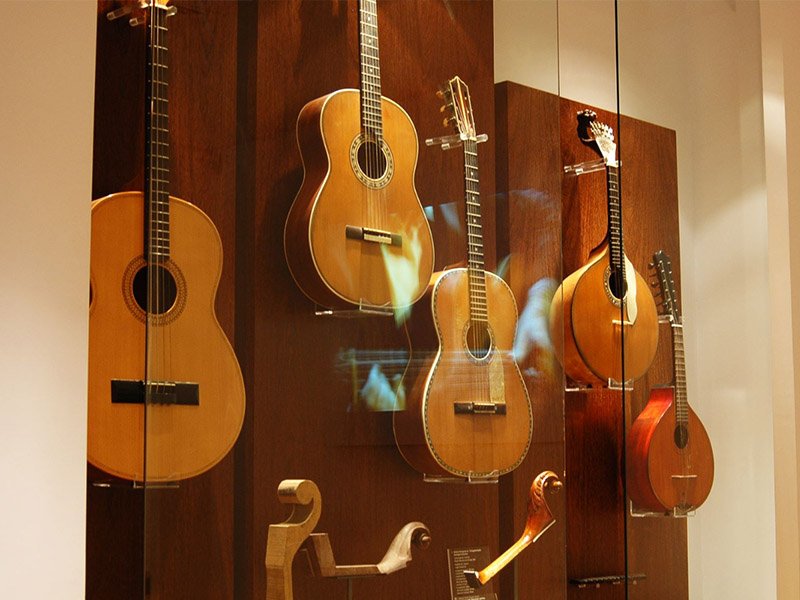
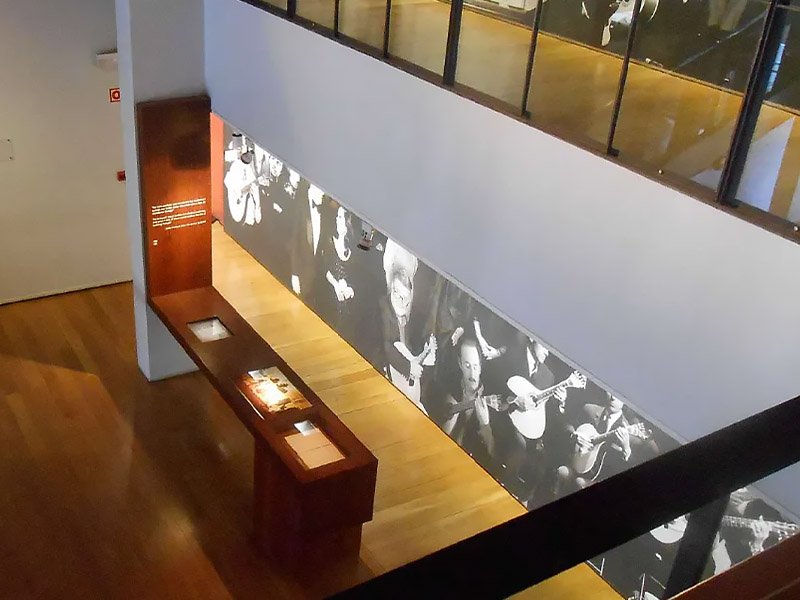
Inside the Fado Museum: What to See
Inside the Fado Museum, visitors can explore collections that highlight the voices and lives of Portugal’s most beloved fado singers, including Amália Rodrigues, often called the “Queen of Fado.” The museum’s multimedia exhibits allow you to listen to historical recordings and learn how fado reflects Lisbon’s spirit of longing and nostalgia, known as saudade. Temporary exhibitions frequently feature modern interpretations of fado, connecting the traditional sound with contemporary Portuguese culture.
Why You Should Visit Lisbon’s Fado Museum
A visit to the Fado Museum in Lisbon is more than just a cultural experience – it’s a journey into the heart and soul of Portugal. Beyond the exhibitions, the museum regularly hosts live fado performances, concerts, and cultural events that bring this emotional music to life. Whether you’re a music lover, history enthusiast, or simply curious about Portuguese traditions, the Fado Museum offers an engaging experience that helps visitors better understand the spirit of the Portuguese people and the culture they express through music.
Tips and Essentials
📍ADDRESS:
Alfama, Largo do Chafariz de Dentro 1, Lisboa
🕚 WORKING HOURS:
Mon: closed
Tue – Sun: 10:00 – 18:00
🧑🎄 PUBLIC HOLIDAYS:
01st January, 01st May, 25th December: closed
🔔 TIME NEEDED FOR THE VISIT:
1 hour
🚋 PUBLIC TRANSPORT NEARBY:
10B, 13B, 206, 210, 728, 734, 735, 759, 794
🎟️ TICKETS:
5 EUR | Tickets available at the entrance or online on the link bellow.
Visit Tickets | Fado Museum
More details
ALL PRICES:
Normal Ticket = 5EUR
From 13 to 25 years old = 2.50EUR
Higher education students over 26 years old (Corredor Cultural) = 4EUR
People with special needs + free escort = 3.50EUR
Seniors (+65 years old) = 4EUR
Children up to 12 years old = FREE
Young people up to 23 and over 65 years old, residing in the Municipality of Lisbon =FREE
Residents of the Municipality of Lisbon, on sundays and holidays until 2 pm = FREE
Unemployed residing in the Municipality of Lisbon = FREE
RNAAT- Registered Tourism Professionals, upon presentation of relevant identification documents = FREE
Accredited Researchers and Professors, in the exercise of functions and with an appointment = FREE
APOM e ICOM partners = FREE
GIFT SHOP: ✅ | CAFÉ: ✅
REST AREA: ✅ | TOILET: ✅
More details
GIFT SHOP | Offers souvenirs and handicrafts inspired by traditional Portuguese music, including CDs, books, instruments, and decorative items related to Fado culture.
CAFÉ | The café at the Fado Museum serves drinks and light snacks in a cozy setting, allowing visitors to relax before or after exploring the exhibits.
REST AREA | There is a small area between the exhibition spaces where you can rest.
🌐 OFFICIAL WEBSITE:
Museu do Fado
Interactivity and Guides
The Fado Museum in Lisbon offers an engaging and interactive experience for visitors who want to dive deeper into the history and emotion of Portuguese fado music. Through audio guides, you can listen to famous fado songs as you walk through the exhibits, connecting the visual displays with the haunting melodies that define this genre. The museum also features multimedia installations, videos, and personal stories from legendary fado artists, making the visit both educational and emotional. For those seeking a more personal experience, guided tours are available in multiple languages, providing rich insights into the origins, lyrics, and cultural significance of fado. Whether you explore independently or with a guide, the museum ensures an immersive journey into the heart of Lisbon’s musical heritage.