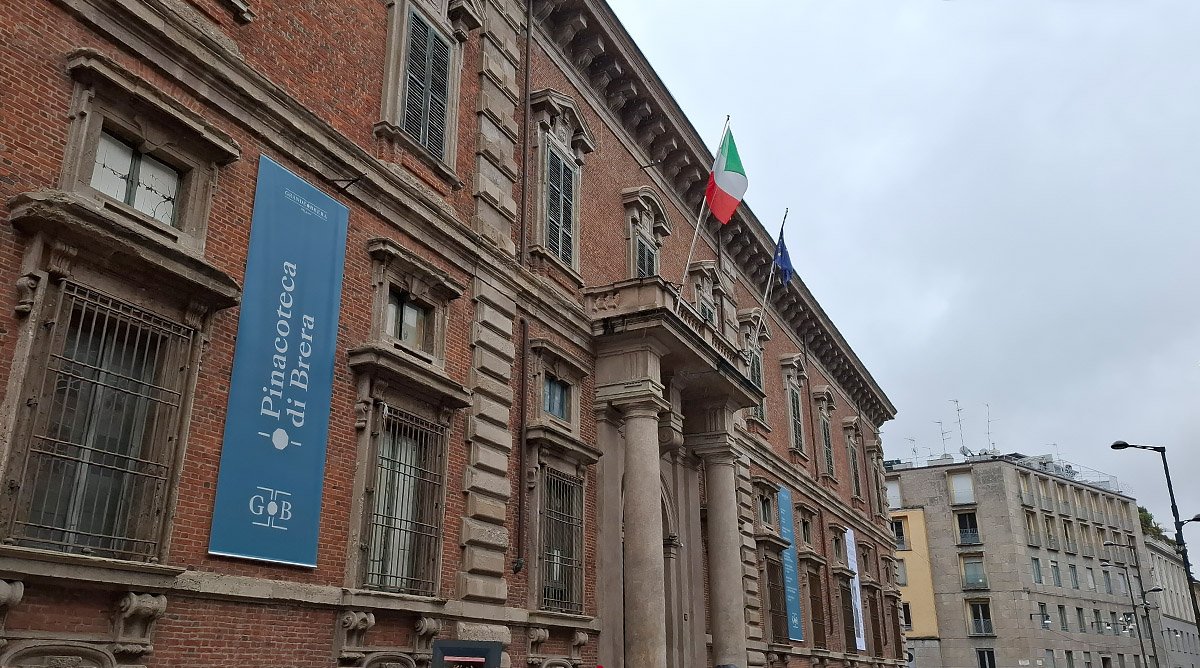
Pinacoteca di Brera in Milan
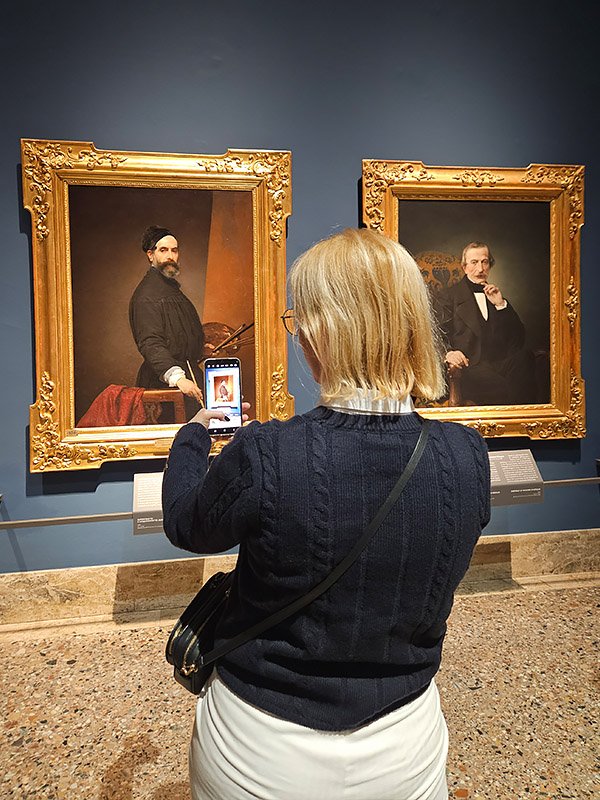
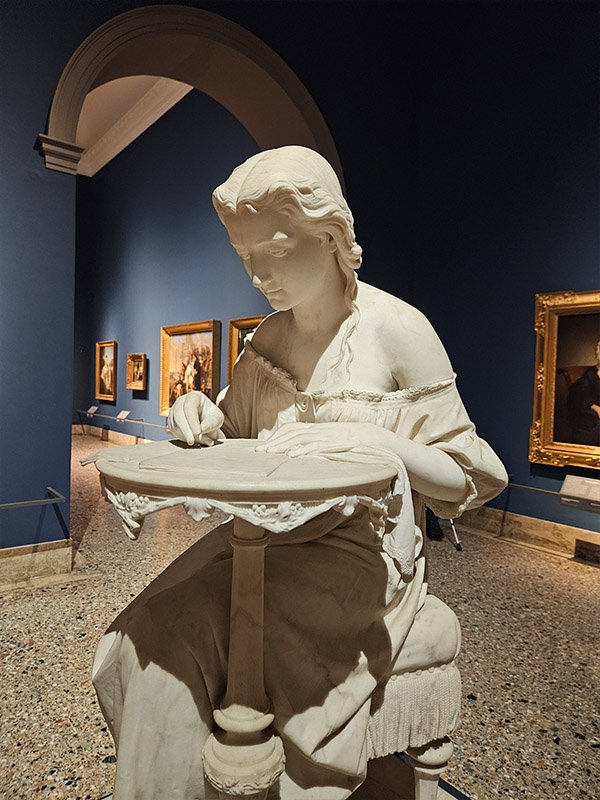
Located in the heart of Milan’s artistic Brera district, the Pinacoteca di Brera in Milan is one of Italy’s most important art museums and a must-visit for anyone interested in Italian painting. Housed inside a beautiful 17th-century palace, this gallery holds a remarkable collection of masterpieces from the Renaissance to the 19th century. During my visit, I was instantly drawn into the calm, refined atmosphere of the museum, where every room feels like a journey through Italy’s artistic soul. Walking through Brera felt both inspiring and deeply cultural, making it one of my favorite museum experiences in Milan.
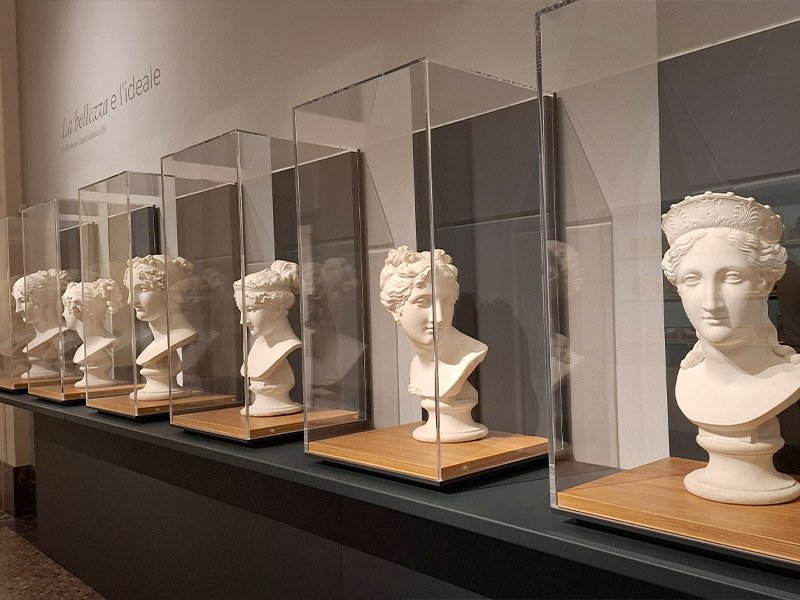
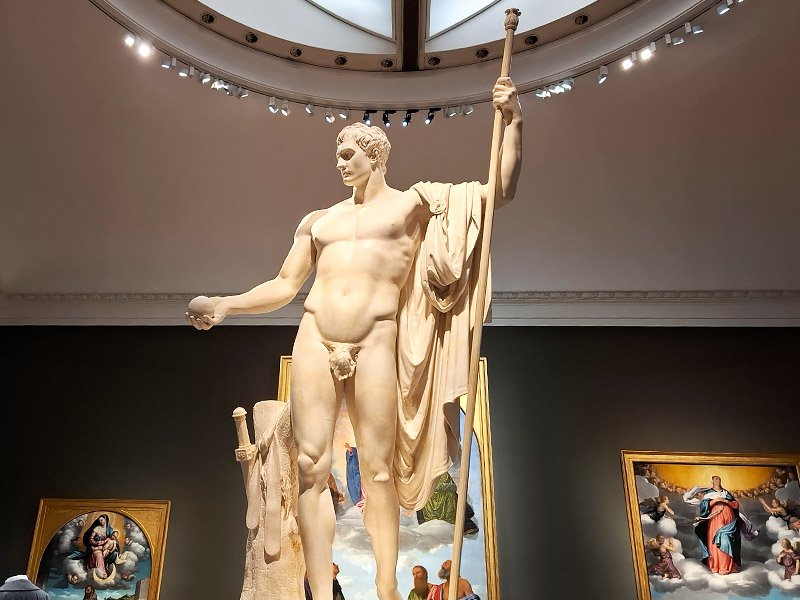
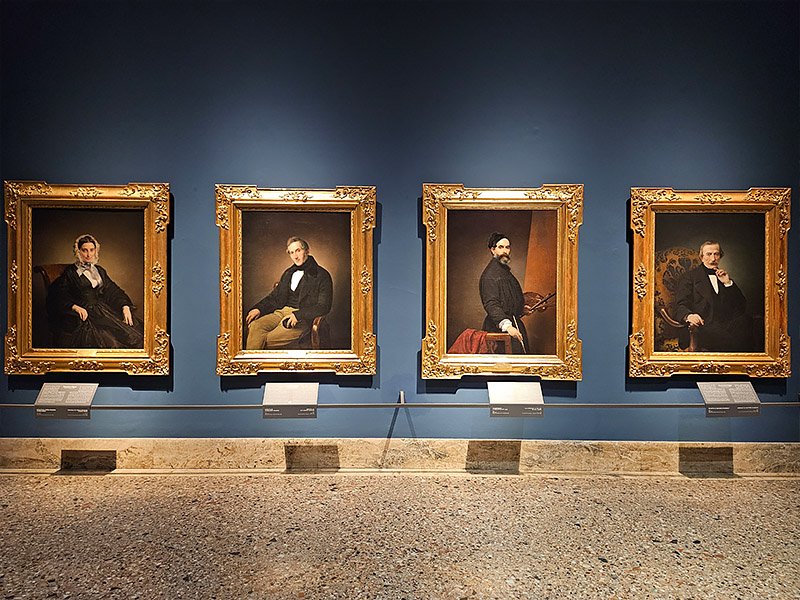
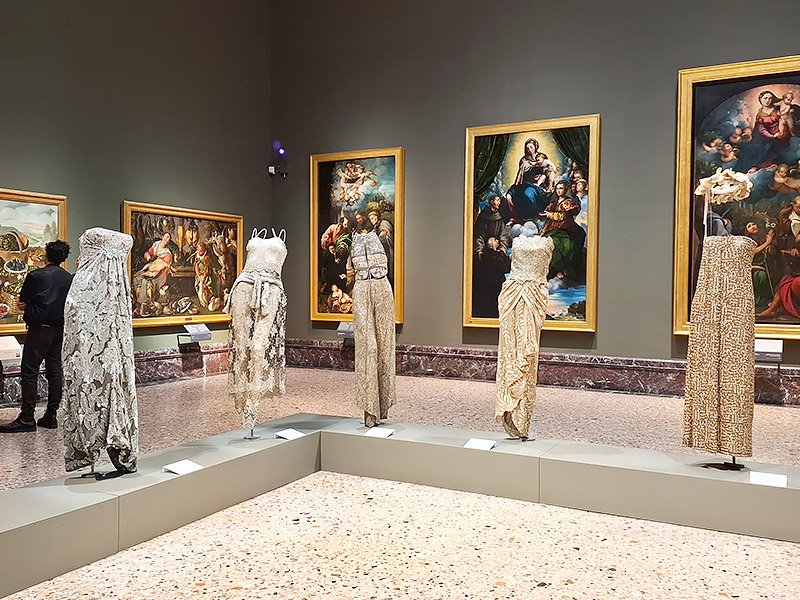
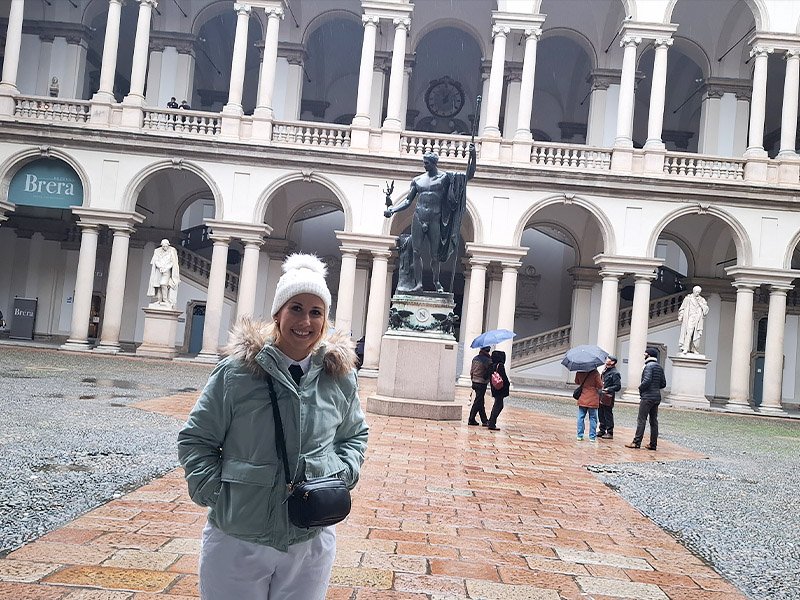
Inside the Pinacoteca di Brera: What to See
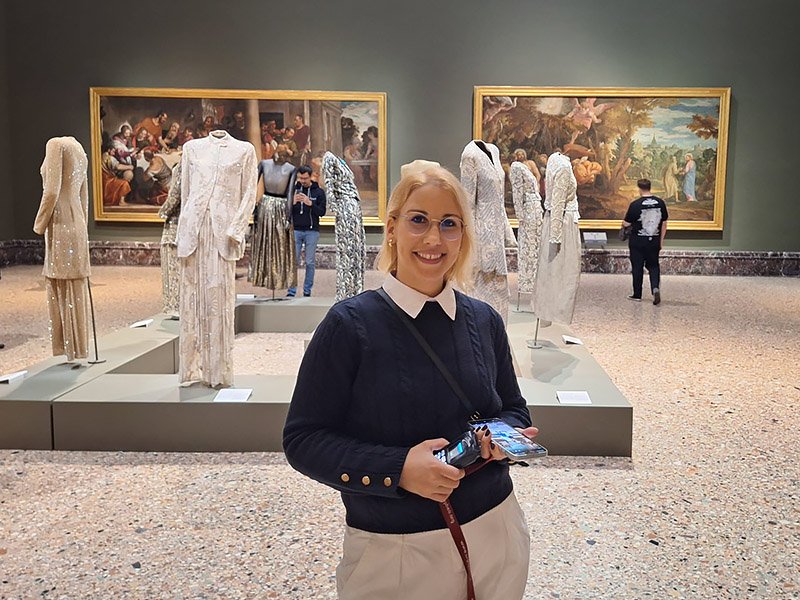
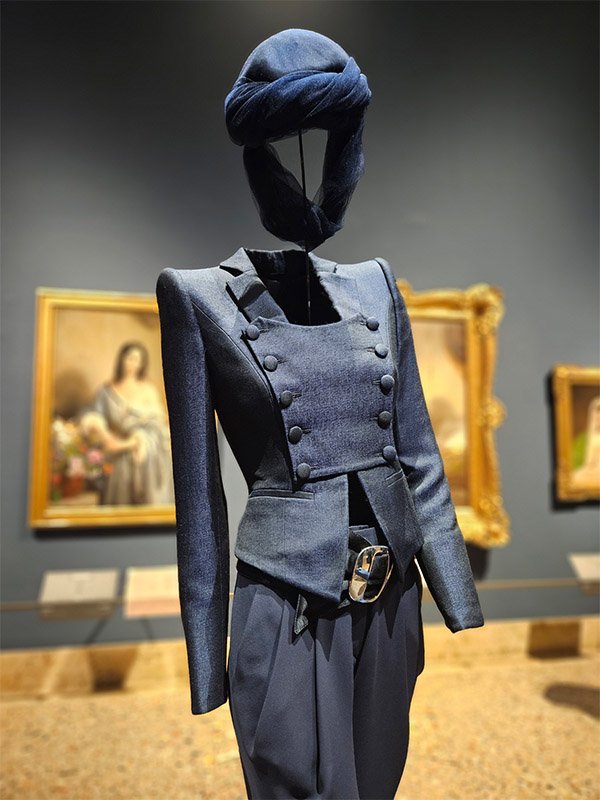
Pinacoteca di Brera is famous for its outstanding collection of Italian Renaissance and Baroque masterpieces. Here you can admire iconic works such as Raphael’s The Marriage of the Virgin, Caravaggio’s Supper at Emmaus, and Francesco Hayez’s The Kiss, one of the most beloved paintings in Italy. The museum also features works by Mantegna, Piero della Francesca, Tintoretto, and many other great names of European art. During my visit, there was also a temporary exhibition of Giorgio Armani’s works (24.09.2025. – 03.05.2026.), which created a fascinating contrast between classical painting and contemporary Italian fashion and design.
Why You Should Visit Milan’s Pinacoteca di Brera
What makes Pinacoteca di Brera so special is its ability to connect Milan’s modern elegance with its deep artistic roots. Walking through these galleries, you get a sense of how Italian art evolved over the centuries, from sacred Renaissance masterpieces to more emotional and dramatic Baroque works. Personally, I truly enjoyed this museum and would recommend it to everyone visiting Milan, whether you are a passionate art lover or simply curious to better understand the city’s cultural heritage. The blend of timeless paintings and modern exhibitions makes the experience feel fresh and inspiring.
Beyond the artworks, the location itself adds to the charm of the visit. The Brera district is one of Milan’s most atmospheric neighborhoods, filled with cafés, galleries, and small boutiques, making it perfect to combine a museum visit with a relaxed city stroll. The museum layout is clear and easy to follow, allowing you to enjoy the collection at your own pace. With its world-class art, elegant setting, and exciting temporary exhibitions, Pinacoteca di Brera offers a rich and rewarding cultural experience that should be high on every Milan travel itinerary.
Tips and Essentials
📍ADDRESS:
Via Brera, 28, 20121 Milano MI, Italy
🕚 WORKING HOURS:
Tue – Sun: 08:30 – 07:15
Mon: closed
Last entry: 18:00
🧑🎄 PUBLIC HOLIDAYS:
May 1st, December 25th, January 1st
🔔 TIME NEEDED FOR THE VISIT:
2 hours
🚋 PUBLIC TRANSPORT NEARBY:
Metro: 1, 2
Bus: 97
Tram: 2, 12, 14
🎟️ TICKETS:
15 EUR | Standard ticket
Tickets available at the entrance or ONLINE.
More details
You can buy tickets at the same price online or at the ticket machine at the entrance (where you’ll need a payment card).
Free admission with reservations every first Sunday of the month.
More details about prices can be found HERE.
GIFT SHOP: ✅ | CAFÉ: ✅
REST AREA: ✅ | TOILET: ✅
More details
CAFÉ | Cafe Fernanda Bistrot has a good selection of coffee with options for lunch (regular or vegetarian), sweets and snacks. In summer, you can enjoy food and drinks on the terrace, which offers a lovely view of the museum’s courtyard.
REST AREA | Inside the museum, you can find several areas designed for sitting and resting while you take in the artworks.
🌐 OFFICIAL WEBSITE:
Pinacoteca di Brera
Interactivity and Guides
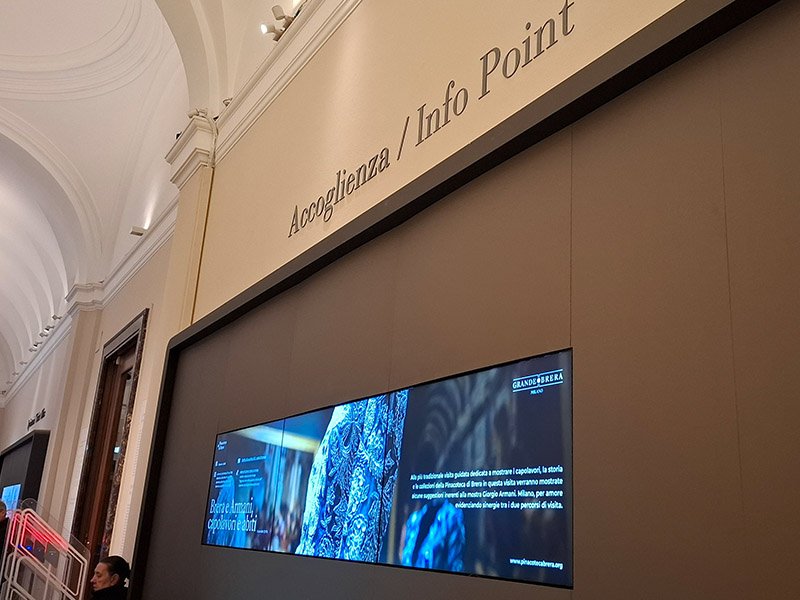
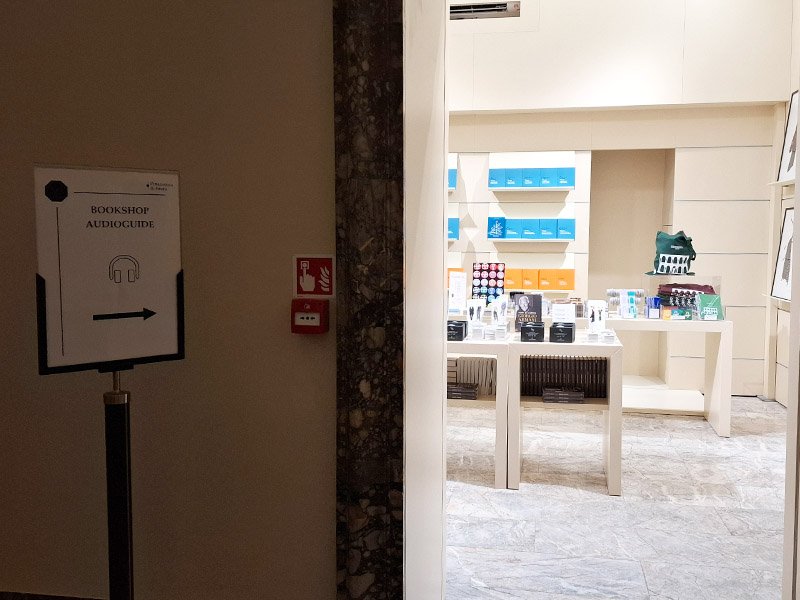
If you would like to use the full audio guide, it is available for an additional €5 and includes commentary on more than 40 artworks. You receive a separate device, which you can pick up at the museum shop located to the right of the main entrance after the Info Point. A personal ID is required as a deposit to ensure the device is returned. A free option included with your ticket is the museum’s mobile app, which offers a shorter audio guide covering around 10 selected artworks. The museum’s Wi-Fi works very well and makes it easy to use the app during your visit.
Whether you choose to use an audio guide or not, each gallery is clearly labeled, and you will receive a map at the entrance to help you navigate the museum. Every artwork also comes with a detailed text description, which is perfect for visitors who prefer to read rather than listen.
Explore more sights in Milan
👇If you enjoyed this article, leave a like below the post and support the work of this site.