Galleria Vittorio Emanuele II in Milan
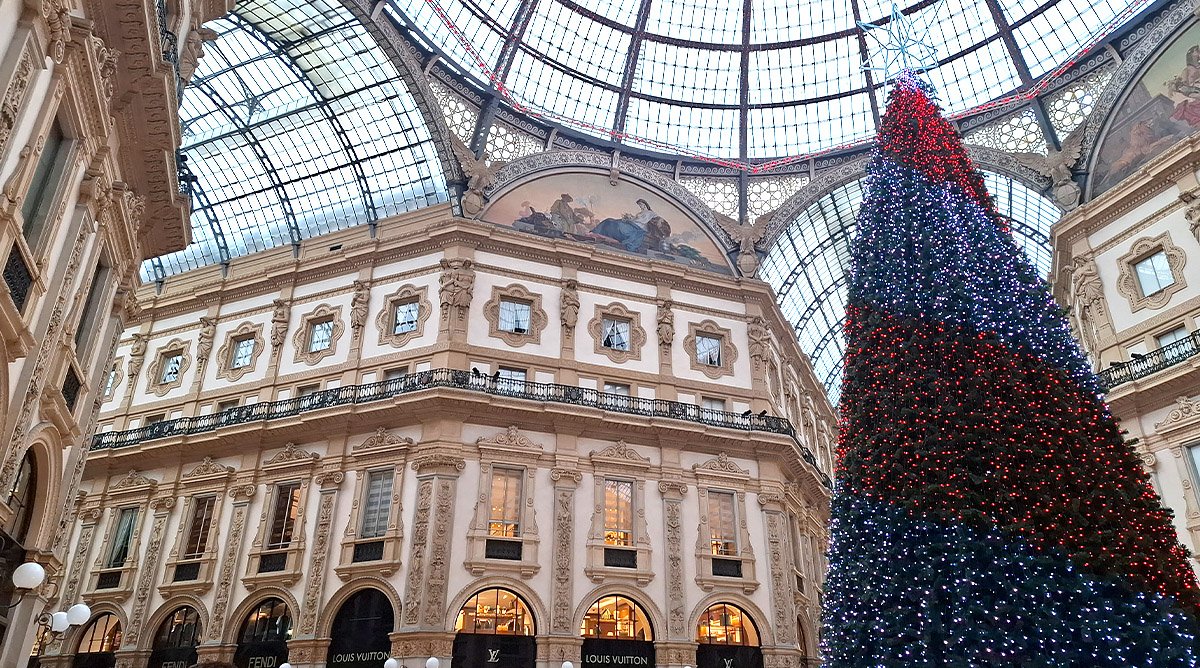
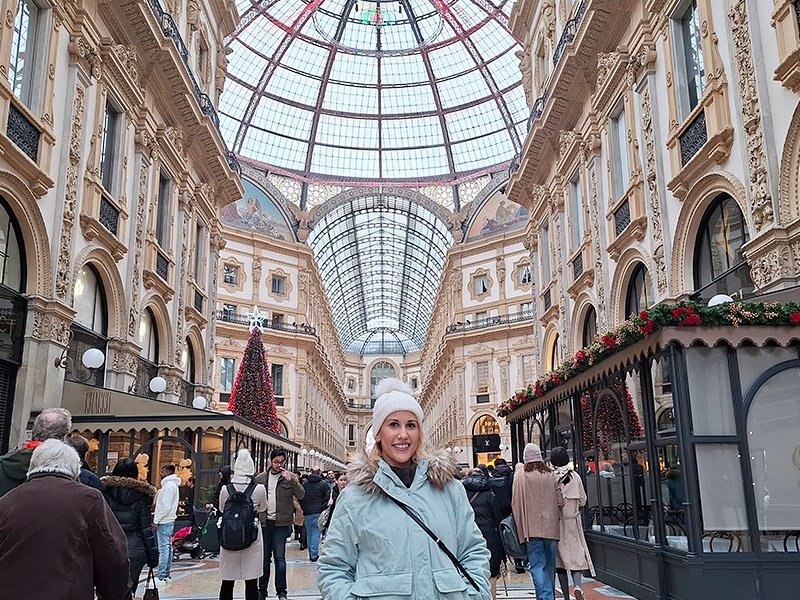
Nestled in the heart of Milan, Galleria Vittorio Emanuele II is one of the city’s most iconic landmarks and a must-see for anyone visiting the Italian fashion capital. Constructed in the late 19th century and designed by architect Giuseppe Mengoni, this magnificent glass-and-iron arcade connects Piazza del Duomo and Piazza della Scala, creating a stunning pedestrian passage lined with historic shops, cafes, and luxury boutiques. Originally built as a hub for commerce, the Galleria remains a vibrant meeting point where history, architecture, and Milanese elegance seamlessly blend. Even if shopping isn’t your priority, the building itself is worth a stop for its intricate mosaics, vaulted glass ceilings, and stately 19th-century charm.
What to See
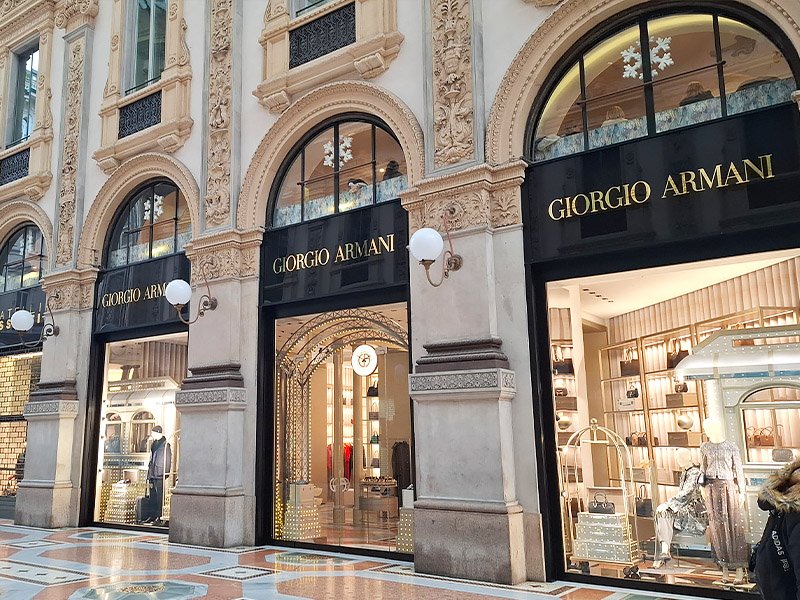
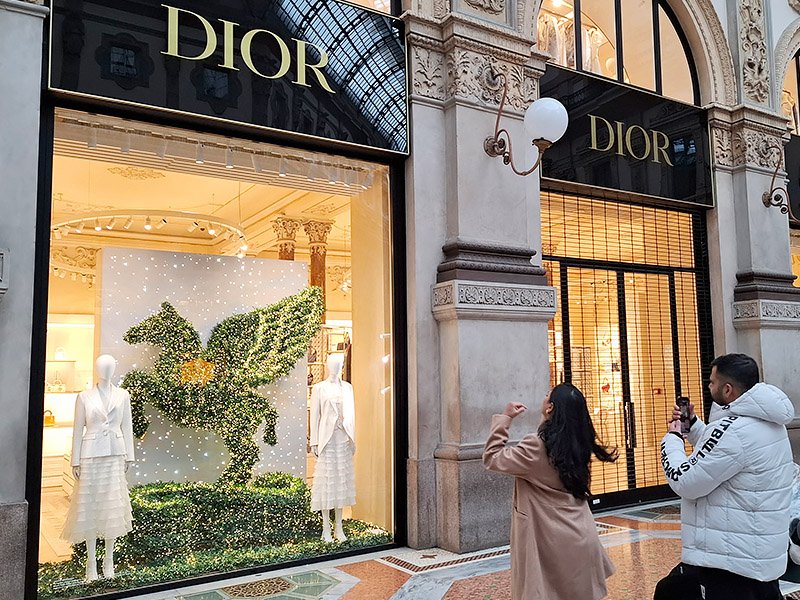
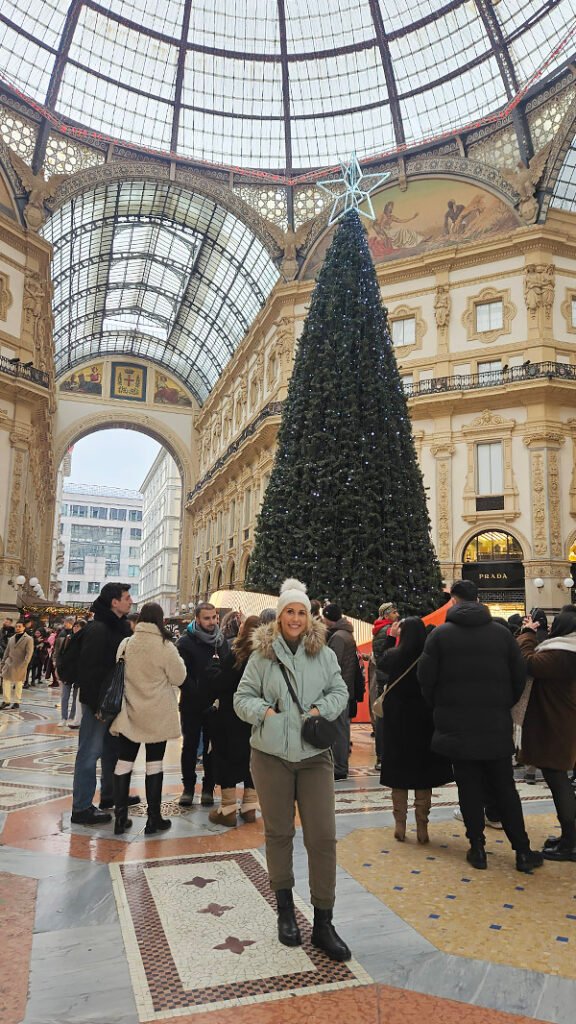
Inside the Galleria, visitors are treated to a blend of luxury shopping and historic architecture. Don’t miss the famous mosaic floors depicting the coats of arms of Italian cities, as well as the grand central octagon crowned with a spectacular glass dome. Architectural details like ornate ironwork, Corinthian columns, and frescoed ceilings showcase the opulence of 19th-century design. For a break from sightseeing, several cafes and restaurants are scattered throughout the arcade, offering everything from espresso to high-end dining – though expect to pay premium prices for the experience.
Why You Should Visit Milan’s Galleria Vittorio Emanuele II
Galleria Vittorio Emanuele II is worth a stop primarily for its historic and architectural value rather than for shopping or dining. Even if you’re not interested in luxury brands, walking through the arcade gives a sense of 19th-century Milanese design, with its mosaics, ironwork, and glass ceilings. It’s a convenient location in the city center, making it easy to combine with visits to the Duomo di Milano or Teatro alla Scala, and it offers a glimpse into Milanese urban life. While it can be crowded and pricey, especially at cafes and restaurants, it’s still a notable landmark to see while exploring the city.

Tips and Essentials
📍ADDRESS:
20123 Milan, Metropolitan City of Milan, Italy
🚋 PUBLIC TRANSPORT NEARBY:
Metro: 1, 3
Tram: 1, 2, 12, 14, 15, 16, 19
Bus: NM1, NM3, NM27
☕🍴 CAFÉ AND RESTAURANT LIST:
Ristorante Galleria | Map→
Amorino | Map→
Cracco | Map→
Savino Milano 1867 | Map→
Rest area and Crowds
You can take a break at one of the cafes or restaurants inside the Galleria if you’re prepared to pay a bit more. The area can get quite crowded, so keep an eye on your belongings, especially near the central mosaic where visitors traditionally spin on the bull’s image, a superstition believed to bring wealth. It’s a quirky and paradoxical sight, and while it adds to the lively atmosphere, staying aware of your surroundings is key.
Explore more sights in Milan
👇If you enjoyed this article, leave a like below the post and support the work of this site.