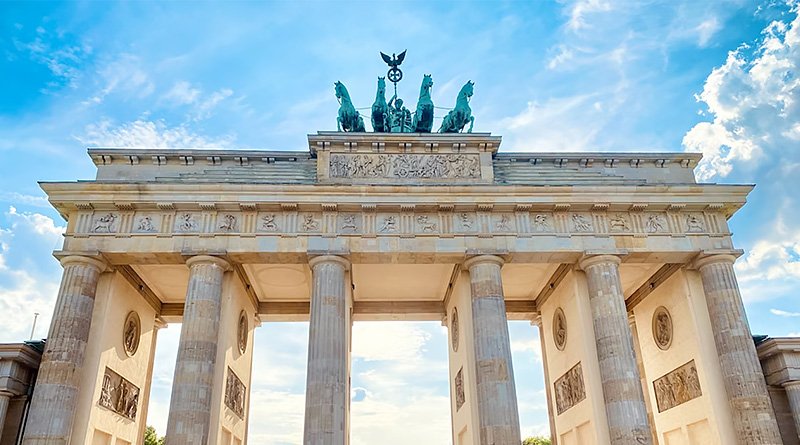
View of the Brandenburg Gate, one of the most famous landmarks in Berlin

Brandenburg Gate in Berlin

Visiting Berlin wouldn’t be complete without seeing the iconic Brandenburg Gate, one of the city’s most famous landmarks. This neoclassical monument, built in the late 18th century, has witnessed centuries of German history – from Napoleon’s occupation to the division of Berlin during the Cold War. Walking through Pariser Platz and approaching the Gate gives you a real sense of Berlin’s vibrant past and present. It’s not just a historical site, but also a perfect starting point to explore the city.

What to See

The Brandenburg Gate is stunning both up close and from a distance. Admire the detailed Quadriga statue on top, depicting the goddess of victory riding a chariot pulled by four horses. Strolling around the Gate, you can also see the nearby memorials and landmarks, including the Holocaust Memorial just a short walk away. Whether during the day or beautifully illuminated at night, the Gate offers countless opportunities for photography and people-watching.

Brandenburg Gate 1

Trip essentials

🚋 PUBLIC TRANSPORT NEARBY:
BUS 100, S1, S2, S25, S26, U5

Why You Should Visit Brandenburg Gate

Visiting the Brandenburg Gate is more than just checking off a tourist attraction – it’s a chance to stand at the heart of Berlin’s history. This is where East and West Berlin were once divided, making it a symbol of unity after the fall of the Berlin Wall in 1989. For history enthusiasts, the Gate provides a tangible connection to Germany’s past, while for casual visitors, it’s an impressive and photogenic landmark that captures the spirit of the city.
Explore more sights in Berlin

👇If you enjoyed this article, leave a like below the post and support the work of this site.

Similar Posts

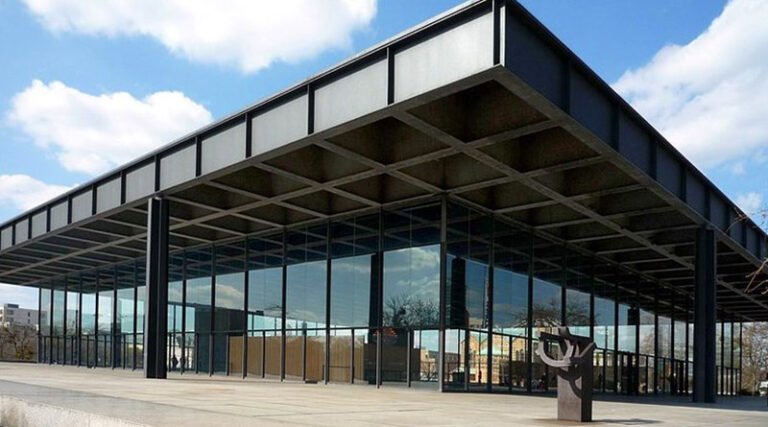
  • New National Gallery in Berlin

    The New National Gallery (Neue Nationalgalerie) in Berlin is one of the city’s key cultural landmarks, designed by the legendary architect Ludwig Mies van der Rohe and opened in 1968. It represents the perfect blend of modern architecture and 20th-century art, standing as a symbol of postwar modernism as mecca for lovers of contemporary art…

  • Aristotelous Square in Thessaloniki

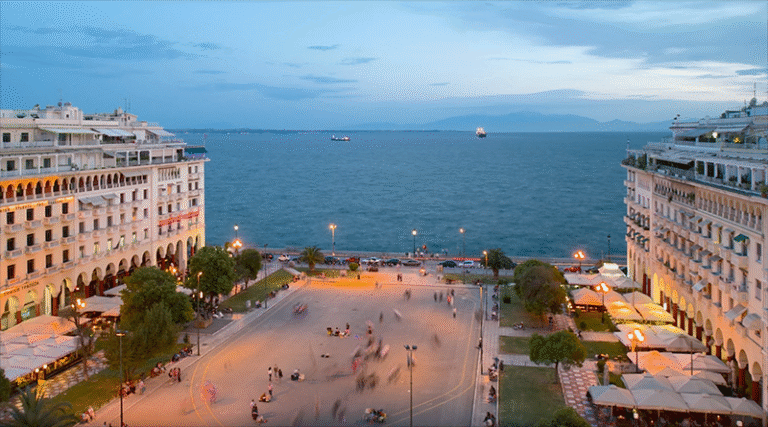
    Aristotelous Square is one of Thessaloniki’s most iconic and recognizable landmarks – a lively, sun-filled gathering spot that perfectly captures the city’s Mediterranean charm. Designed by French architect Ernest Hébrard after the Great Fire of 1917, the square took its current neoclassical form in the 1950s, becoming a central point for social life, cultural events,…

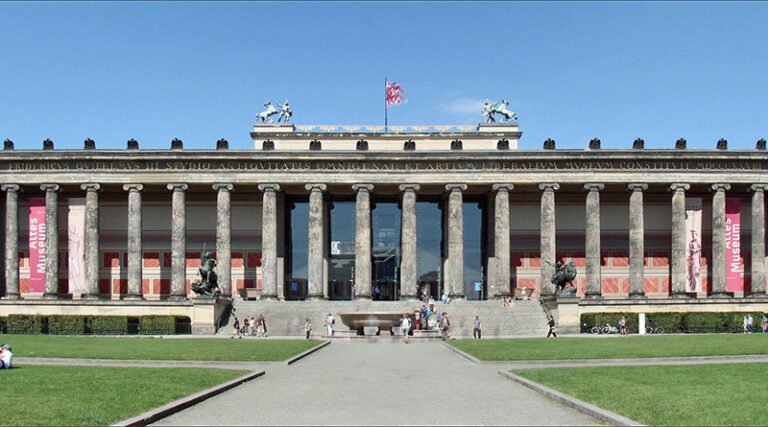
  • Old Museum in Berlin

    Visiting Berlin is always an adventure, but for anyone fascinated by ancient civilizations, the Old Museum (Altes Museum) is an absolute must. Walking through its grand halls felt like stepping back in time, surrounded by artifacts that are thousands of years old. From intricate Greek sculptures to ancient Roman treasures, the museum’s collection offers a…

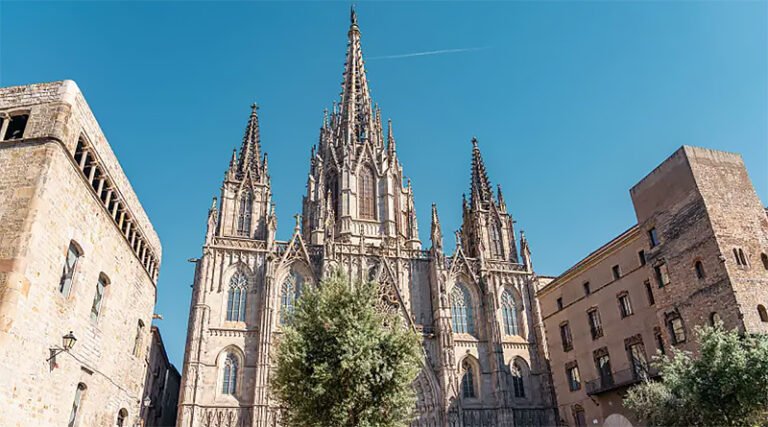
  • Cathedral of Saint Eulalia in Barcelona

    The Cathedral of Saint Eulalia, also known as Barcelona Cathedral, is one of the city’s most iconic Gothic landmarks and a key stop for anyone exploring Barcelona’s historic center. Located in the heart of the Gothic Quarter, this magnificent cathedral dates back to the 13th century and showcases stunning medieval architecture, intricate stonework, and impressive…

  • Flamenco Show in Barcelona

    If you’re looking for an experience that captures the true essence of Spain—its rhythm, history, and fiery spirit – the Flamenco Show is the perfect choice. Let yourself be swept away by the music, the movement, and the raw emotion of a performance that unveils a side of Spain you won’t see on the streets….