New National Gallery in Berlin
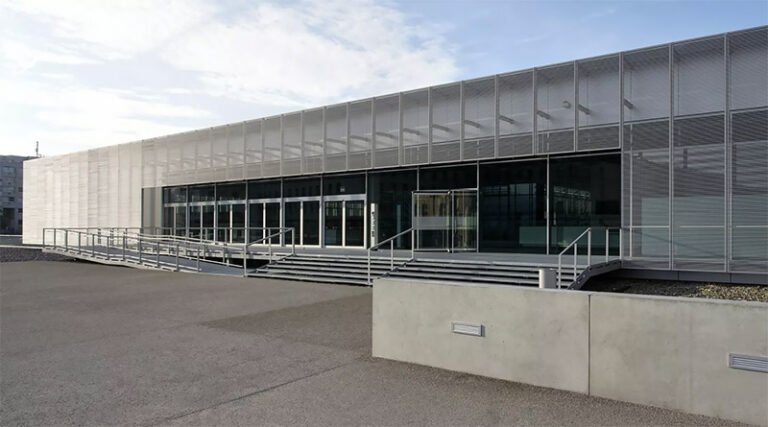
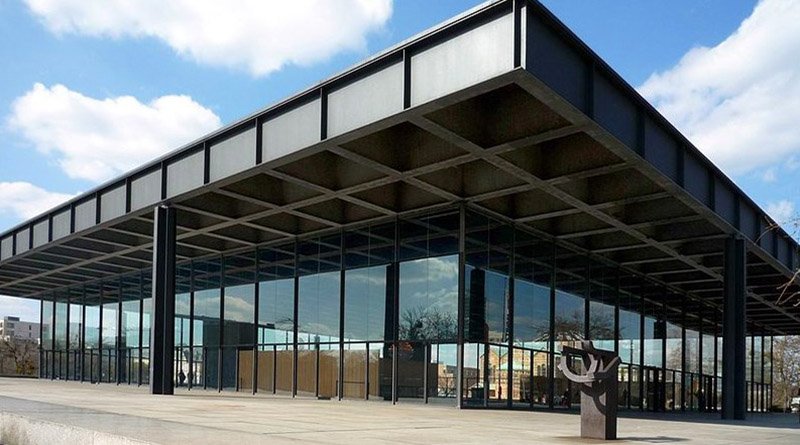
The New National Gallery (Neue Nationalgalerie) in Berlin is one of the city’s key cultural landmarks, designed by the legendary architect Ludwig Mies van der Rohe and opened in 1968. It represents the perfect blend of modern architecture and 20th-century art, standing as a symbol of postwar modernism as mecca for lovers of contemporary art and architecture. During my visit, I was intrigued by its clean design and spacious layout, but I must admit that my overall experience wasn’t particularly memorable – I expected a bit more from such a renowned gallery.
Inside the New National Gallery: What to See
The gallery focuses on modern art from the 20th century, featuring works by artists such as Pablo Picasso, Paul Klee, Ernst Ludwig Kirchner, and Wassily Kandinsky. The permanent collection explores key art movements like Expressionism, Cubism, and Bauhaus, while the lower level often hosts temporary exhibitions by contemporary artists. Architecturally, the building itself is a masterpiece – the glass and steel structure allows light to pour in, creating a sense of openness that’s as striking as the art itself. Still, compared to other museums in Berlin, the exhibitions felt somewhat minimalistic.
Why You Should Visit Berlin’s New National Gallery
Even though my personal impression wasn’t one of excitement, the New National Gallery is still worth visiting, especially for architecture lovers and those interested in modern art history. Its importance lies in both its architectural legacy and its curation of 20th-century masterpieces that shaped global art trends. It’s not a place that overwhelms – rather, it invites quiet reflection and appreciation of space, light, and form. If you’re exploring Berlin’s Kulturforum district, where the gallery is located, it’s easy to include this stop in your cultural itinerary.
Tips and Essentials
📍ADDRESS:
Potsdamer Str. 50, Berlin
🕚 WORKING HOURS:
Mon: closed;
Tue, Wed, Fri, Sat, Sun: 10:00 – 18:00;
Thu: 10:00 – 20:00
🧑🎄 PUBLIC HOLIDAYS:
24th, 31th December: closed; 1th January: 12:00 – 18:00
🔔 TIME NEEDED FOR THE VISIT:
2 hours
🚋 PUBLIC TRANSPORT NEARBY:
M29, M48, M85, N1, N2
🎟️ TICKETS:
20 EUR | Ticket for all exhibitions. | Tickets available at the entrance.
More details
Full list of prices and current exhibitions you can find HERE.
GIFT SHOP: ✅ | CAFÉ: ✅
REST AREA: ✅ | TOILET: ✅
🌐 OFFICIAL WEBSITE:
Neue Nationalgalerie
Interactivity and Guides
The gallery offers self-guided visits, supported by clear signage and short explanatory texts beside each artwork. Audio guides are available for those who want a more detailed understanding of the exhibits and the history behind them. There’s no interactive content in the traditional sense, but the building itself encourages observation and contemplation.