Topography of Terror in Berlin
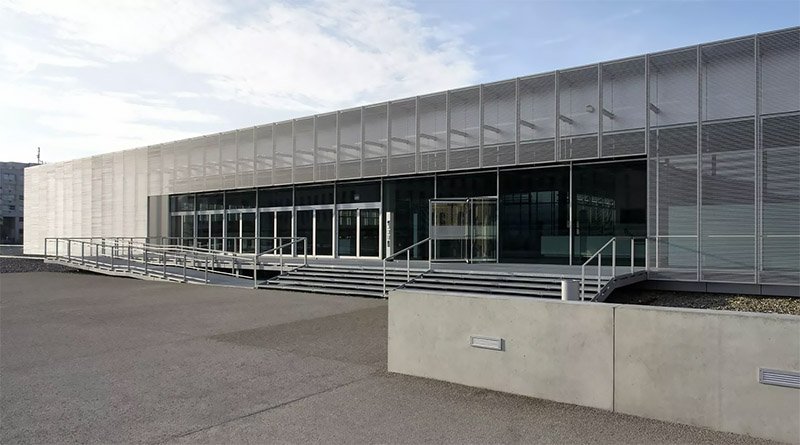
Visiting the Topography of Terror in Berlin was one of the most educational experiences of my trip. Built on the former site of the Gestapo and SS headquarters, this museum and documentation center offers a deeply informative look into the darkest chapters of German history. For anyone visiting Berlin for the first time, this place provides essential context for understanding how history shaped not only the city but also modern Europe.
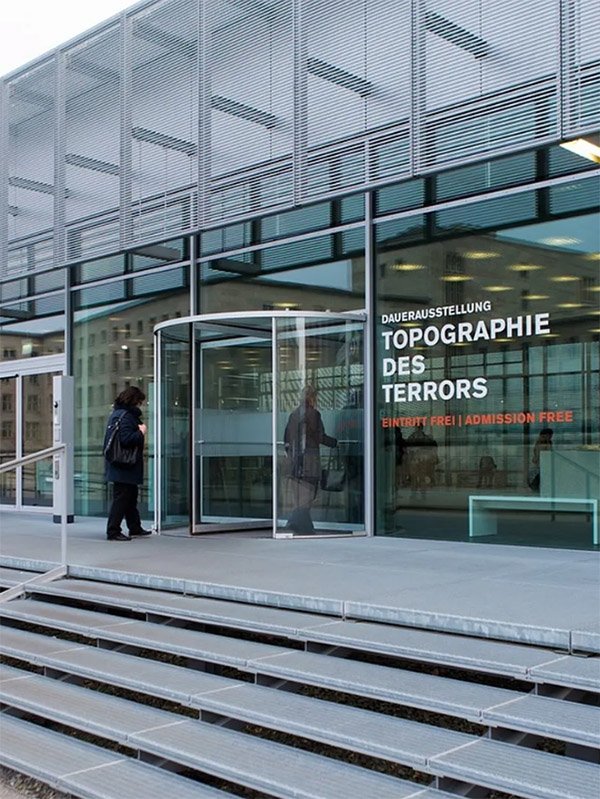
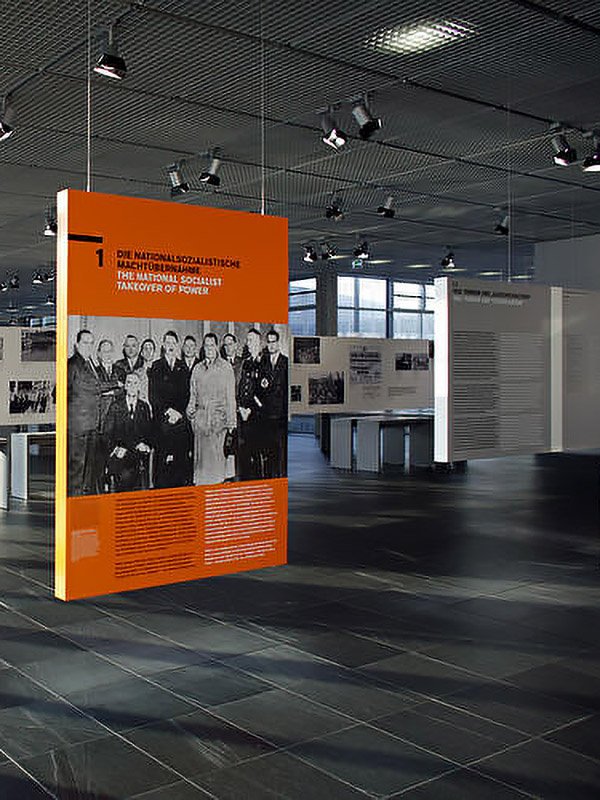
Inside the Topography of Terror: What to See
Inside the Topography of Terror, you’ll find a rich collection of photographs, original documents, maps, and eyewitness testimonies that trace the rise of the Nazi regime, the structure of terror, and the impact it had on millions of lives. The museum’s indoor and outdoor exhibitions are arranged chronologically and thematically, guiding you through the years 1933–1945 with clarity and precision. The outdoor area also includes sections of the Berlin Wall, adding another layer of historical significance to your visit. The storytelling is direct and powerful, making history tangible through carefully curated materials and architecture that speaks for itself.
Why You Should Visit Berlin’s Topography of Terror
If you’re coming to Berlin or Germany for the first time, the Topography of Terror is a must-visit. It’s not just a museum – it’s a reminder of the consequences of intolerance, propaganda, and abuse of power. The experience is emotionally intense but deeply meaningful, helping visitors connect with history on a human level. The exhibition design is modern and concise, making it easy to follow and reflect upon. I highly recommend visiting this site early in your Berlin trip, as it provides the necessary historical foundation for understanding many of the city’s other landmarks.
Tips and Essentials
📍ADDRESS:
Niederkirchnerstraße 8, Berlin
🕚 WORKING HOURS:
daily 10:00 – 20:00
🧑🎄 PUBLIC HOLIDAYS:
24th, 31st December, 1st January: closed
🔔 TIME NEEDED FOR THE VISIT:
1 hour
🚋 PUBLIC TRANSPORT NEARBY:
S1, S2, S25, S26, M29, M41
🎟️ TICKETS:
Free entry.
GIFT SHOP: 🚫 | CAFÉ: 🚫
REST AREA: ✅ | TOILET: ✅
🌐 OFFICIAL WEBSITE:
TOPOGRAPHY OF TERROR DOCUMENTATION CENTER
Interactivity and Guides
The museum features a clear self-guided layout, supported by bilingual panels in German and English that make navigation intuitive. Audio guides and group tours are available for those who want a deeper understanding of the stories behind the exhibits. I highly recommend getting the audio guide for a fuller appreciation of the content. What impressed me most was the clarity and the concept – everything is thoughtfully curated without overwhelming the visitor. The experience is both intellectual and emotional, leaving you with a lasting understanding of history and its relevance today.