Duomo di Milano in Milan
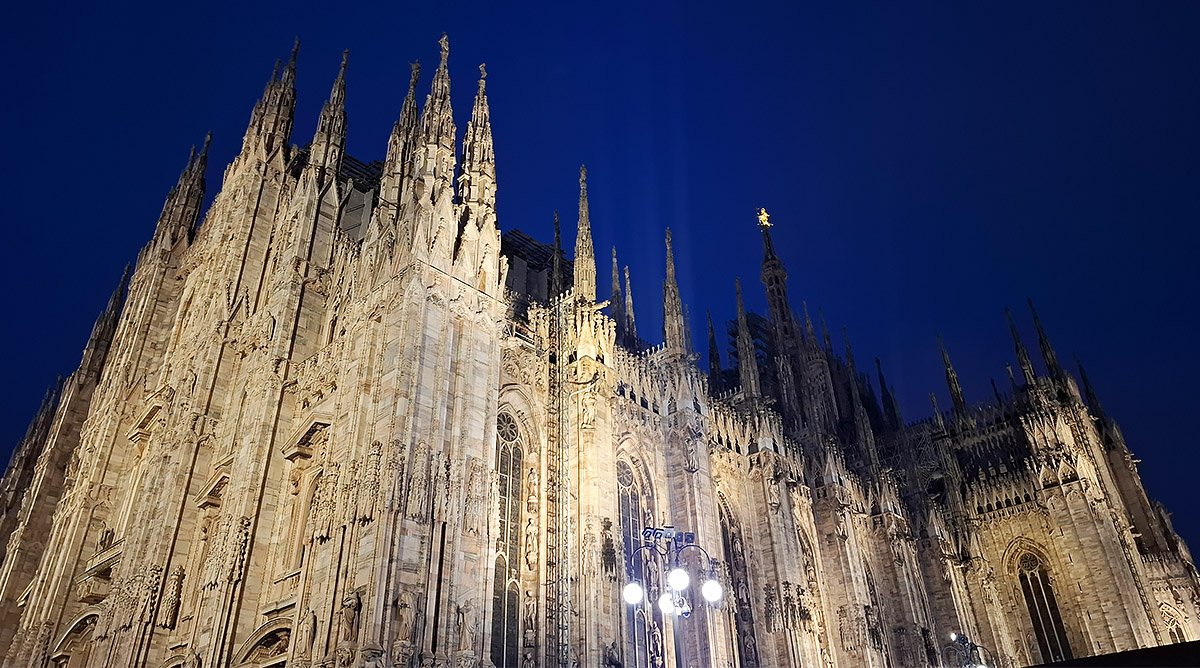
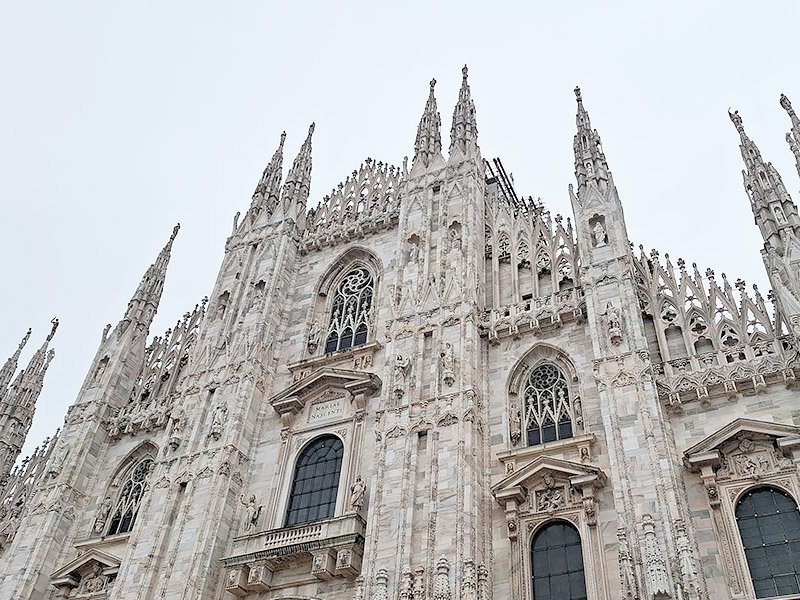
The Duomo di Milano in Milan, second-largest Catholic cathedral in the world and the largest Gothic structure in Italy, is one of the most iconic landmarks in Italy and an unmissable stop when visiting Milan. Located in the very heart of the city, this monumental Gothic cathedral instantly captures attention with its facade and dramatic scale. Even though Gothic architecture is not usually my personal favorite, I have to admit that the Duomo left a strong impression on me. Standing in Piazza del Duomo, surrounded by history and fashion, you truly feel the importance of this place in Milan’s identity.

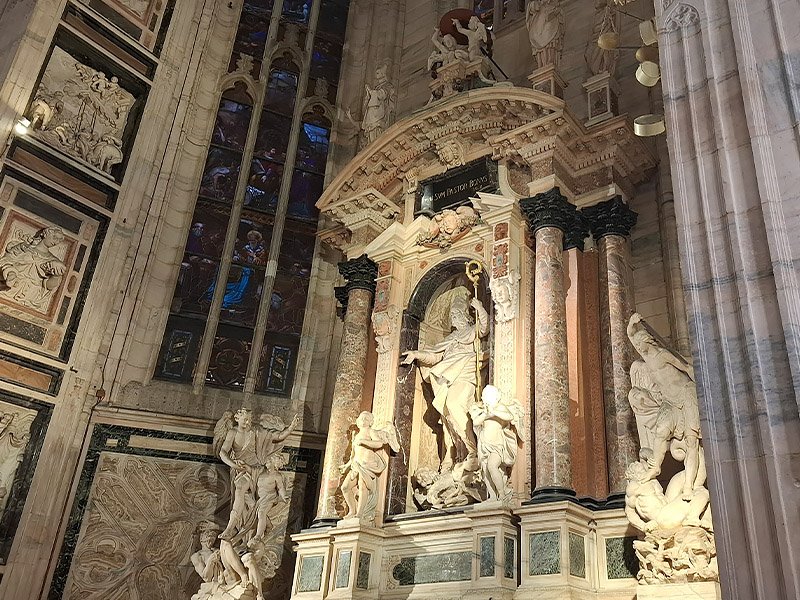
Inside the Duomo di Milano: What to See
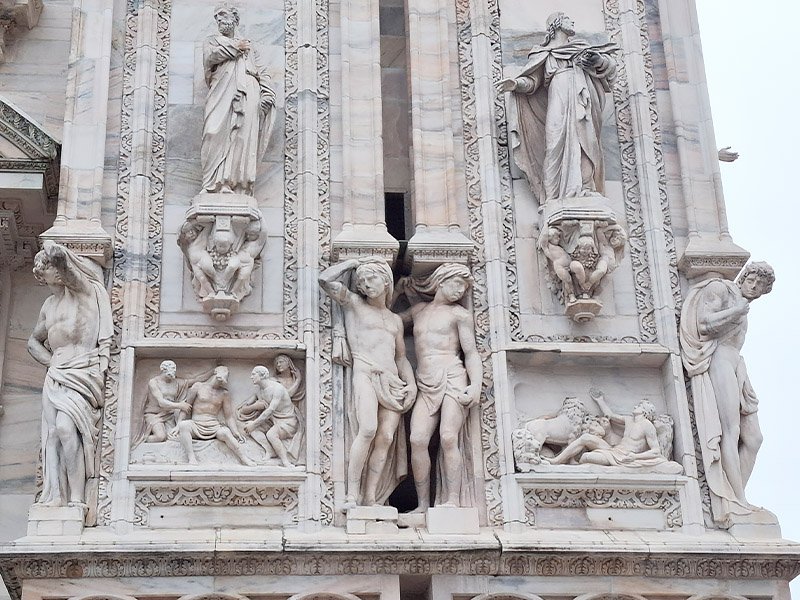
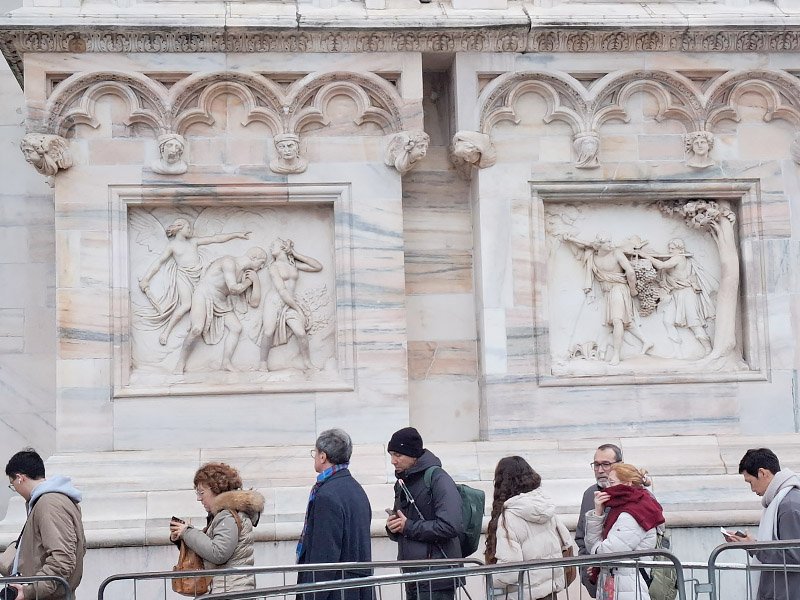
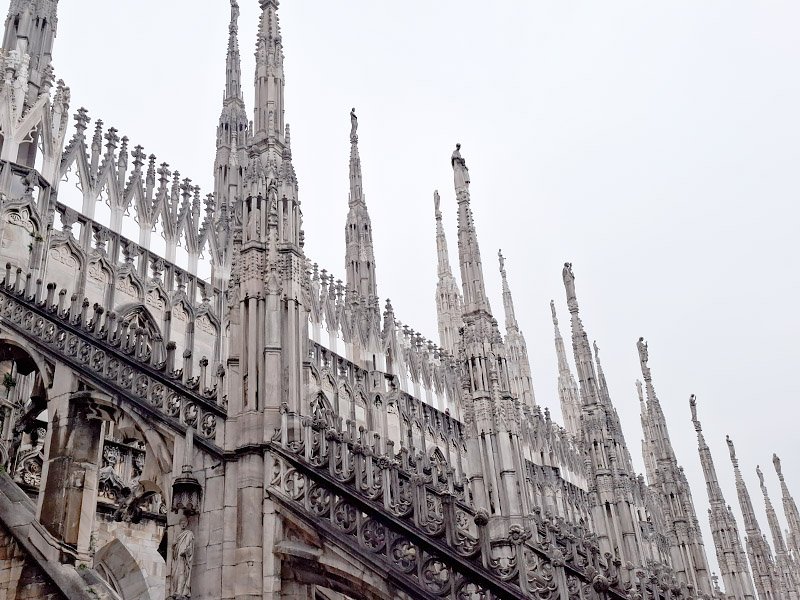
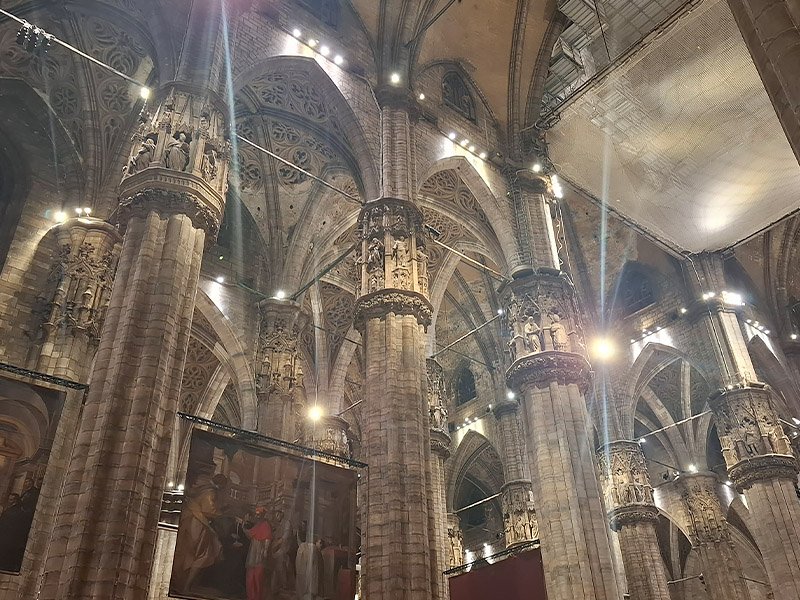
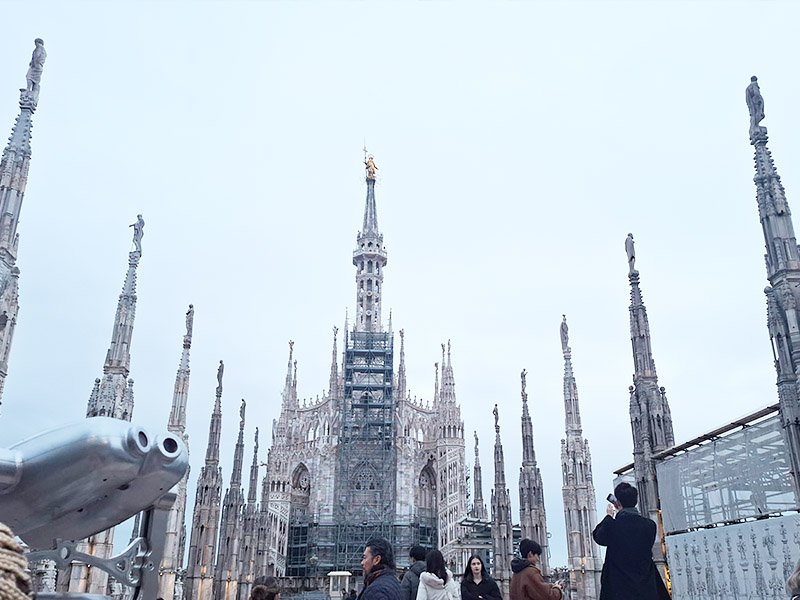
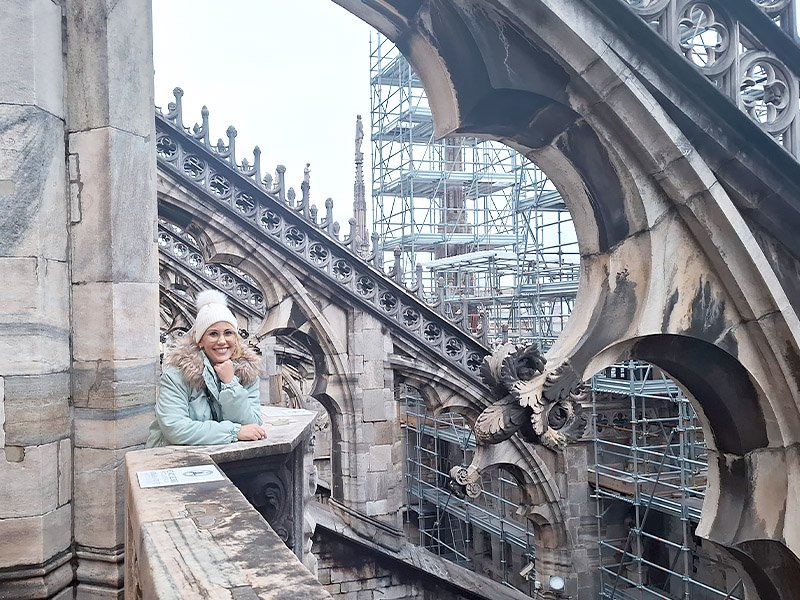
The highlight of my visit was the Duomo terrace, which is absolutely breathtaking. Walking among the forest of marble spires and statues feels surreal, and the panoramic views over Milan are unforgettable. The cathedral is famous for its extraordinary details, including over 3,400 statues, 135 spires, and the golden Madonnina statue that watches over the city. Construction of the Duomo began in 1386 and astonishingly took nearly six centuries to complete, making it one of the longest construction projects in architectural history. Although I didn’t visit the museum, it’s worth noting that it houses original sculptures, stained glass, and architectural elements from different phases of the cathedral’s creation.
Why You Should Visit Milano’s Duomo di Milano
Even if Gothic style isn’t usually your first choice, the Duomo di Milano has a way of changing your perspective. Its sheer scale, craftsmanship, and historical weight make it impossible to remain indifferent. Visiting the rooftop offers a completely different way to experience the cathedral – not just as a monument to admire from below, but as a living structure you can walk through and around. For photographers, history lovers, and first-time visitors to Milan, this is a must-see attraction that truly defines the city.
I highly recommend prioritizing the terrace visit, especially on a clear day, as it adds immense value to the overall experience. You can access it by stairs or elevator, depending on your preference. While I skipped the Duomo Museum this time, pairing it with the cathedral visit would give a more complete understanding of its long and complex history. Expect crowds, especially during peak seasons, but despite that, the Duomo remains one of those places where the beauty and significance easily outweigh the bustle.
Tips and Essentials
📍ADDRESS:
P.za del Duomo, 20122 Milano MI, Italy
🕚 WORKING HOURS:
Cathedral & Archaeological Area
08:00 – 19:00
Last entry: 18:10
Duomo Rooftops
Mon – Thu: 09:00 – 19:00
Fri – Sun: 09:00 – 20:00
Last entry: 18:00
Duomo Museum
Thu – Tue: 10:00 – 19:00
Wed: closed
Last entry: 18:10
More details find HERE.
🧑🎄 PUBLIC HOLIDAYS:
Christmas, Easter, and major local festivals, so checking their official site is required.
🔔 TIME NEEDED FOR THE VISIT:
1 hour
More details
Cathedral = 1 hour
Terrace = 1 hour
Duomo Museum = 1 hour
Crypt of St. Charles = 30min
Archaeological Area = 45min
Church of San Gottardo = 30min
Church of Santa Maria presso San Satiro = 30min
Church of San Bernardino alle Ossa = 30min
🚋 PUBLIC TRANSPORT NEARBY:
Metro: 1, 3
Tram: 1, 2, 12, 14, 15, 16, 19
Bus: NM1, NM3, NM27
🎟️ TICKETS:
10 EUR | Tickets available at the entrance or online on the link.
More details
There are different tickets depending on what you want to visit. Explore the available ticket combinations and their prices at the following LINK. To avoid waiting in lines, I recommend purchasing tickets online.
GIFT SHOP: ✅ | CAFÉ: 🚫
REST AREA: 🚫 | TOILET: ✅
More details
GIFT SHOP | There is an official Duomo Shop where visitors can buy souvenirs such as books, postcards, gifts, and other items related to the cathedral. The shop is located near the main ticket office in Piazza Duomo 14/A and is open daily.
CAFÉ and REST AREA | There is no café or rest area inside the Duomo di Milano itself. However, visitors can find several cafés and restaurants in the immediate surroundings of Piazza Duomo, including nearby streets and the Galleria Vittorio Emanuele II, which is just a short walk away and offers many options for resting and dining after the visit.
TOILET | There are public restroom facilities available for visitors, but not inside the cathedral itself. Toilets are located either inside the Duomo Museum area or outside near the Duomo complex, and there can also be pay toilets near the cathedral area. Signage on site directs visitors to these facilities.
🌐 OFFICIAL WEBSITE:
Duomo di Milano – Official Website
Interactivity and Guides
The terrace visit is not a guided tour, but rather an experience that gives you the freedom to explore at your own pace as you climb the stairs and enjoy the almost unreal views while taking photos. There is no guided tour option available. I recommend reading up on the history and details online before your visit so you can arrive well prepared.
Explore more sights in Milan
👇If you enjoyed this article, leave a like below the post and support the work of this site.