German Historical Museum in Berlin
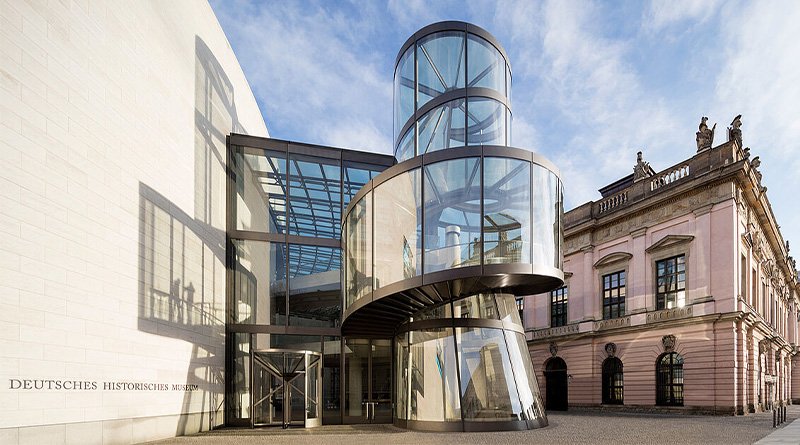
Visiting the German Historical Museum in Berlin is a journey through Germany’s modern history, from the First and Second World Wars to contemporary reflections on their causes and consequences. As someone who enjoys history, I appreciated the museum’s clear and concise presentations, though I must admit, the sheer amount of text can feel a bit overwhelming at times. Still, it’s an essential stop for anyone wanting to understand Germany beyond the headlines.
Inside the Museum: What to See
The museum houses an impressive collection of artifacts, documents, and multimedia exhibits that vividly illustrate pivotal moments in German history. Highlights include original military uniforms, propaganda materials from both World Wars, and personal letters that give a human face to historical events. One of the most striking displays is the post-war period, showing Germany’s path from division to reunification, giving a tangible sense of how history shaped modern society.
Why You Should Visit Berlin’s German Historical Museum
Even if you’re not a history buff, the German Historical Museum offers a unique opportunity to see how Germany confronts its past. The museum’s thoughtful curation provides context for major historical events and invites visitors to reflect on lessons learned. For me, it was fascinating to see how the museum connects wartime experiences with broader societal and political changes, making history feel alive rather than abstract.
Current Temporary Exhibitions
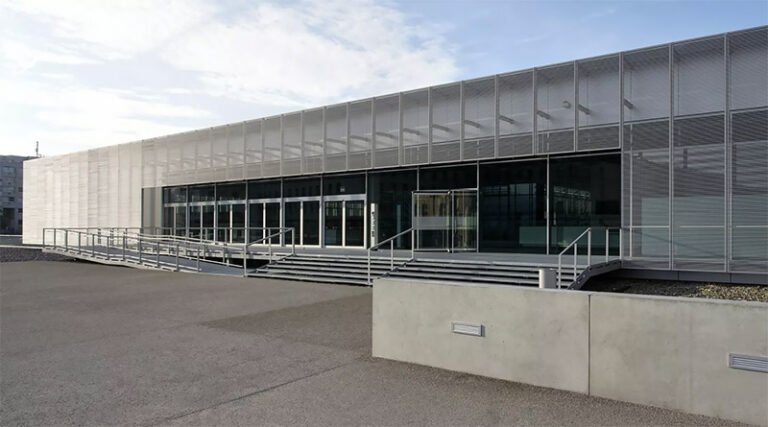
While the Zeughaus building is closed for renovation and the former permanent exhibition is not on view, the Deutsches Historisches Museum continues to host temporary exhibitions. Currently on display is “Roads Not Taken. Or: Things Could Have Turned Out Differently” (until 22 March 2026), an exhibition exploring key turning points in German history of the 19th and 20th centuries. Also newly opened is “Nature and German History. Faith – Biology – Power”, which examines 800 years of German history: The spectrum ranges from Hildegard of Bingen’s concept of “viriditas”, the greening power of creation, in the 12th century to the early anti-nuclear movement in Wyhl and the different concepts of nature in the two Germanys towards the end of the 20th century.
Tips and Essentials
📍ADDRESS:
Unter den Linden 2, Berlin
🕚 WORKING HOURS:
daily 10:00 – 18:00
🧑🎄 PUBLIC HOLIDAYS:
24th December 2025: closed
31 December 2025: open from 10 a.m. to 2 p.m.
1 January 2026: open from 12 noon to 6 p.m.
🔔 TIME NEEDED FOR THE VISIT:
2 hours
More details
1.5 HOURS | Quick tour of the main exhibits.
3 – 4 HOURS | Detailed visit of the permanent collection and temporary exhibitions.
🚋 PUBLIC TRANSPORT NEARBY:
100, 300, N5, U5, U6, Tram 12, Tram M1
🎟️ TICKETS:
10 EUR | COMBY TICKET for all exhibitions. | Tickets available at the entrance.
More details
Single ticket = 7EUR, reduced 3.50EUR | Free up to 18 years
Combi ticket (all exhibitions) = 10EUR, reduced 5EUR | Free up to 18 years
Family ticket (2 adults and max. 3 children) | Single ticket = 18EUR | Combi ticket = 22EUR
Group Ticket (from 15 persons) | Single ticket = 6EUR per person | Combi ticket = 9EUR per person
GIFT SHOP: ✅ | CAFÉ: 🚫
REST AREA: ✅ | TOILET: ✅
More details
GIFT SHOP | It offers a wide range of products including souvenirs, books, and museum-themed gifts.
CAFÉ | The Zeughaus building is currently closed for renovation, and the former permanent exhibition (2006–2021) is not on view. During this time, the DHM is preparing a new permanent exhibition. Please note that visitor facilities such as a rest area and café are currently unavailable.
🌐 OFFICIAL WEBSITE:
German Historical Museum
Interactivity and Guides
To make the most of your visit, I recommend using the museum’s audio guides or guided tours. These provide concise explanations that help navigate the extensive exhibits without getting lost in the text-heavy displays. Interactive elements, such as digital timelines and multimedia presentations, also make it easier to grasp complex events, offering a more engaging experience than simply reading the information on the walls.