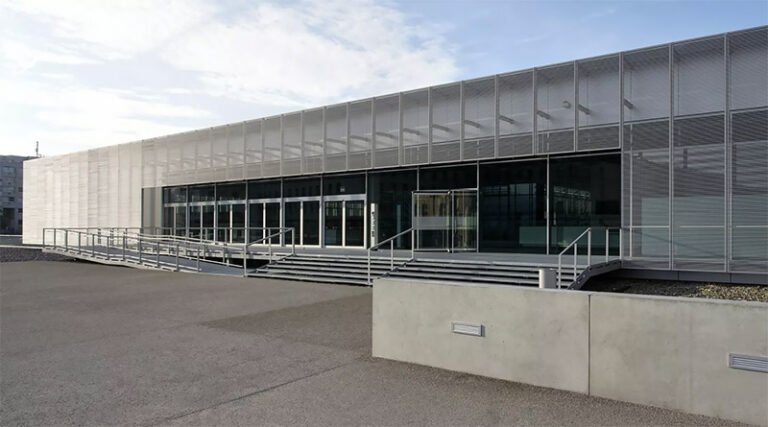
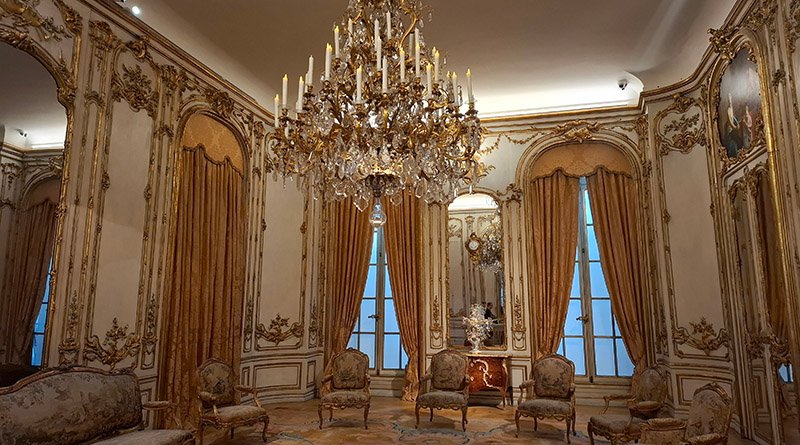
National Museum of Ancient Art in Lisbon
The National Museum of Ancient Art (Museu Nacional de Arte Antiga) is one of Lisbon’s most important cultural institutions for anyone interested in history and art. Housed in a 17th-century palace that once belonged to the Counts of Alvor, the museum was established in 1884 and holds Portugal’s most comprehensive collection of fine arts from the Middle Ages to the early 19th century. Personally, I found it to be a truly impressive museum – calm, elegant, and rich with history. Every gallery reveals something new about Portugal’s cultural legacy and its connections with the wider European and global art scenes.
Inside the National Museum: What to See
Inside, the National Museum of Ancient Art features over 40,000 works of art, including paintings, sculptures, textiles, jewelry, furniture, and ceramics. Some of the highlights include the famous Panels of Saint Vincent (Painéis de São Vicente) — a masterpiece of Portuguese Renaissance art — as well as remarkable works by Hieronymus Bosch, Albrecht Dürer, and Raphael. You’ll also find exquisite artifacts from Portugal’s Age of Discoveries, reflecting the country’s global influence during the 15th and 16th centuries. The building itself is beautifully organized, with galleries that naturally guide you through centuries of artistic evolution.
Why You Should Visit Lisbon’s National Museum
Visiting the National Museum of Ancient Art is one of the most enriching things to do in Lisbon. It offers a quiet escape from the city’s hustle while immersing you in centuries of artistic brilliance. For me, this museum stood out among others I visited in Lisbon – not only for the quality of its collection but also for the way it tells Portugal’s story through art. Whether you’re an art lover, a history enthusiast, or simply curious about Portuguese culture, the museum provides a profound understanding of how art shaped the country’s identity.
Tips and Essentials
📍ADDRESS:
R. das Janelas Verdes, Lisboa
🕚 WORKING HOURS:
Mon: closed
Tue – Sun: 10:00 – 18:00
Important planning note: the National Museum of Ancient Art is currently closed for renovation works that began on September 29, 2025, and the museum has not yet announced a reopening date. Check the official website before planning a visit.
🧑🎄 PUBLIC HOLIDAYS:
Closed: 1st january, Easter sunday, 1st may, 13th june, 25th december
🔔 TIME NEEDED FOR THE VISIT:
1.5 HOURS
🚋 PUBLIC TRANSPORT NEARBY:
15E, 18E, 201, 713, 714, 727, 728, 732, 760
🎟️ TICKETS:
15 EUR | Tickets available at the entrance.
GIFT SHOP: ✅ | CAFÉ: ✅
REST AREA: ✅ | TOILET: ✅
More details
GIFT SHOP | The museum shop offers a wide range of products, including books, postcards, and other souvenirs related to the museum’s collection.
CAFÉ | The café is located on the ground floor of the museum and offers a pleasant environment for a break during your visit.
Interactivity and Guides
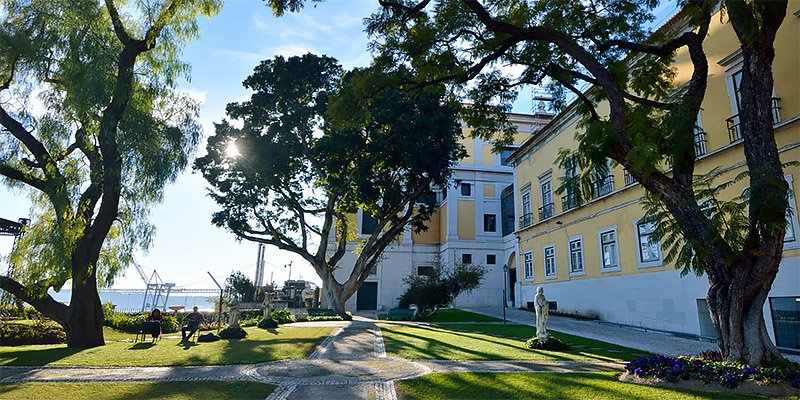
The National Museum of Ancient Art is best experienced at your own pace, allowing you to appreciate the details of each artwork. While guided tours are occasionally available, most visitors enjoy the self-guided experience supported by clear descriptions in Portuguese and English next to each exhibit. There’s no digital interactivity in the traditional sense, but the storytelling within the art itself is deeply engaging. For those who create art or love studying it, this museum can be an endless source of inspiration – a place that stirs creativity and invites reflection. Don’t miss the peaceful museum garden and café, offering one of the best views of the Tagus River, perfect for a relaxing break after your visit.