When Is the Best Time to Visit Milan? A Seasonal Guide
I visited Milan during the Christmas and New Year’s period, spending three nights and four full days in the city. Although the weather was rainy at times, I enjoyed the experience, and the Christmas markets added something extra to my sightseeing days. Milan isn’t an enormous city, so having seasonal activities alongside its museums, architecture and neighbourhoods made my visit feel more complete.
The best time to visit Milan depends on what you want from your trip. If you want to explore museums and historic landmarks comfortably, spring and early autumn are appealing choices. If you’re interested in fashion, design or shopping, the city’s major events may influence your decision. And if you enjoy Christmas decorations and festive markets, winter can be a surprisingly good time to visit.
In this guide, I’ll explain what each season is like in Milan, including temperatures, crowds, cultural events and practical considerations, so you can decide when to plan your trip. For everything you need to plan your trip, check out my Milan Travel Guide.
When Is the Best Time to Visit Milan?
For most visitors, April, May, September and early October are good months to consider. Temperatures are generally more comfortable for walking, exploring neighbourhoods and visiting outdoor attractions than during the hottest part of summer or the coldest winter days. However, I wouldn’t automatically rule out winter. My own visit took place around New Year’s Eve, and I appreciated having Christmas markets to explore alongside the city’s cultural attractions. The important thing is to understand what each season offers and plan around its disadvantages.
Milan in Spring (March–May)
Spring is one of the best times to visit Milan if you want to explore the city on foot without dealing with the most intense summer heat. As the weather improves, it’s easier to combine museum visits with walks through Brera, Parco Sempione and the streets around the Duomo. March can still be chilly, particularly in the mornings and evenings, while April and May usually offer more comfortable conditions for sightseeing.
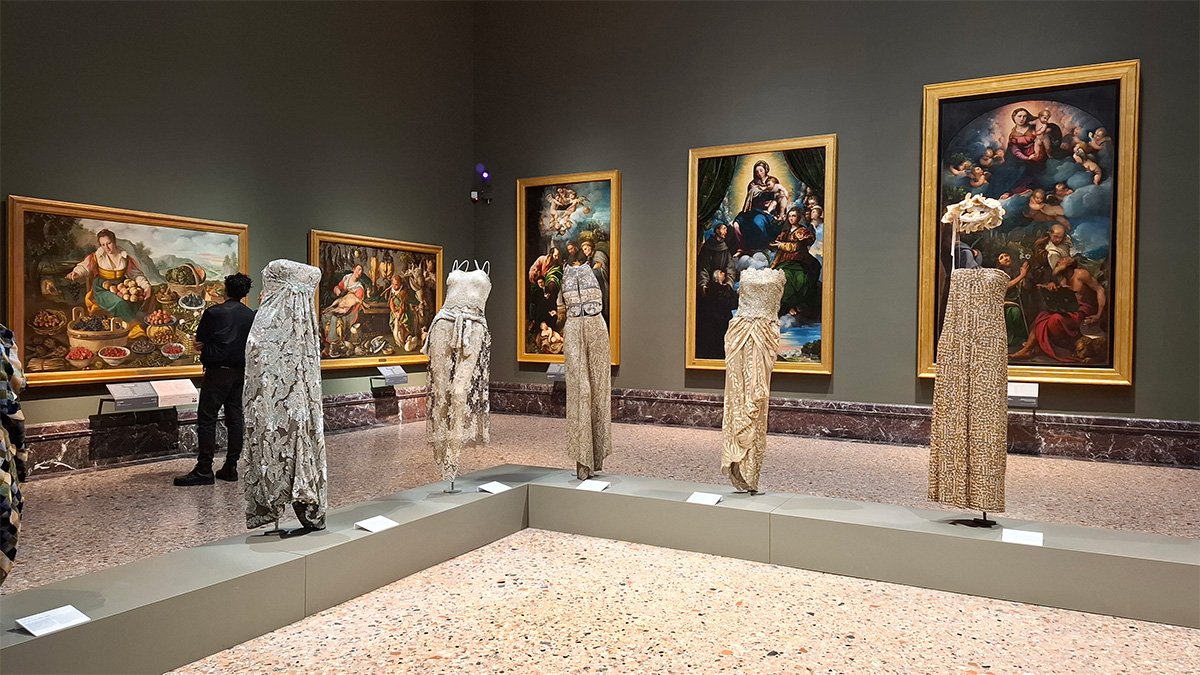
What makes spring a good time to visit? Spring works particularly well for a city like Milan, where the experience isn’t limited to indoor attractions. You can spend the morning at Pinacoteca di Brera, explore the surrounding neighbourhood afterwards, and finish the day with an aperitivo or a walk through the city centre. It’s also a good season for visiting parks and exploring modern Milan around Piazza Gae Aulenti and Bosco Verticale.
If museums are your priority, take a look at my Best Museums in Milan: Art & Culture Guide, which covers Museo del Novecento, Pinacoteca di Brera and the Duomo as a cultural experience.
The biggest event in spring to consider is Salone del Mobile and Fuorisalone, Milan’s internationally recognised furniture and design events, usually held in April. During this period, exhibitions and installations appear across the city, including in design districts and cultural venues. It’s an exciting time if you enjoy architecture, interiors and contemporary design. However, it can also mean more visitors, busy restaurants and increased demand for accommodation. Check the event dates before booking if you prefer a quieter city break.
Milan in Summer (June–August)
Summer has one major advantage: longer days. You have more daylight for exploring neighbourhoods, walking around the historic centre and enjoying outdoor dining. The disadvantage is the heat. Milan can become hot and humid, particularly in July and August, and walking between attractions in the middle of the afternoon may be less enjoyable than it sounds when you’re planning your itinerary.
Is summer too hot for sightseeing in Milan? Not necessarily, but I would organise the day differently. Visit outdoor landmarks earlier in the morning, leave the hottest hours for museums, galleries or shopping, and return to outdoor sightseeing later in the afternoon or evening. Comfortable shoes and a water bottle are particularly important if you plan to cover the city on foot.
If you’re planning to visit the Duomo terraces, for example, check the weather forecast and choose a time that won’t make the experience unnecessarily uncomfortable.
My Best Places to Visit in Milan: A Complete Travel Guide can help you identify the main sights and group nearby attractions together, rather than spending too much time walking across the city in the heat.
Summer is not uniformly busy or quiet. Popular attractions can remain crowded, while some local businesses may operate on reduced schedules during the August holiday period. Don’t assume that every restaurant, shop or cultural venue will follow its usual timetable. Museums generally have their own weekly closing days and holiday schedules, so check individual opening hours before travelling.
Milan in Autumn (September–November)
Early autumn is another strong choice for a Milan city break. September can still feel summery, while October often brings more comfortable temperatures for walking and exploring the city’s museums and historic neighbourhoods. November tends to be cooler and can be rainy, so it is worth preparing for wet weather. Nevertheless, Milan remains a good destination for travellers who want to concentrate on art, architecture, fashion and indoor cultural attractions.
Autumn is a good season to build your days around museums and cultural experiences without relying too heavily on outdoor activities. You could visit Museo del Novecento, spend time at Pinacoteca di Brera and explore the Brera neighbourhood, then reserve another part of your trip for Sforza Castle and Parco Sempione.
If you want to see Milan’s most important landmarks as well, my How Many Days Do You Need in Milan? A Complete Guide can help you decide how much time to allow for the city.
Milan Fashion Week is an important consideration when choosing your dates. The women’s collections are usually presented in February and September, while men’s fashion events take place at different points during the year. Fashion Week brings designers, buyers, media and industry visitors to Milan. Even if you aren’t attending the shows, you may notice a livelier atmosphere and increased demand for accommodation. If fashion is one of your main reasons for visiting, this could be an advantage. If you simply want to explore museums and landmarks, compare accommodation prices and availability before booking around the event.
Milan in Winter (December–February)
Winter might not be the first season that comes to mind when planning a trip to Milan, but I wouldn’t dismiss it. I visited during the Christmas and New Year’s period, and for me, the seasonal atmosphere was one of the things that made the trip worthwhile. Milan already has plenty to offer through its museums, architecture and neighbourhoods, but the Christmas markets added another activity to the itinerary.
Because the city can be explored in a relatively short visit, having seasonal events alongside the main attractions helped make my four full days feel more varied.
However, there is a practical consideration: the Christmas period can affect museum opening hours and attraction schedules. I visited Milan during this period, and although I enjoyed the trip, the weather was rainy and I had expected the city to be more extensively decorated. That influenced my overall impression, so I would recommend keeping your expectations realistic and checking the seasonal programme before travelling.
For more practical information, read my guide Christmas in Milan: What’s Open & Closed on December 24–26? before finalising your itinerary.
January and February can be good months if your main interests are museums, shopping, fashion or indoor cultural experiences. January is also associated with winter sales, while February usually brings the women’s autumn/winter edition of Milan Fashion Week. These events can make the city more appealing for some travellers, but they may also affect accommodation availability. If you prefer a quieter trip, compare your dates with the event calendar before booking.
When Is the Best Time to Visit Milan for Museums?
For a museum-focused trip, I’d prioritise spring or autumn, mainly because comfortable weather makes it easier to combine indoor visits with walking around the city. However, the season matters less than your itinerary and the opening hours of the places you want to see. Some museums close on particular weekdays, and public holidays may affect their schedules.
If I were planning a trip to Milan for the first time, I would choose my travel dates according to what I wanted to experience:
- For comfortable sightseeing: April, May, September or early October.
- For Christmas atmosphere: December, especially if you want to visit seasonal markets.
- For fashion: February or September for the women’s Fashion Week editions, or check the men’s calendar for January and June.
- For design: April, around Salone del Mobile and Fuorisalone.
- For shopping: January and the winter sales period.
- For museums and indoor culture: Spring and autumn are comfortable choices, but winter can work just as well with a little planning.
For me, visiting Milan around New Year’s Eve was a good decision because the Christmas markets added an extra dimension to the trip. The rainy weather wasn’t ideal, and I would like to see the city in spring one day, but I still found enough to do during my three full days. Milan doesn’t need to be a week-long destination to be worthwhile. A well-planned short trip can give you time for art, architecture, food and a feel for the city’s character, with the right season adding something extra to the experience.
Ready to Plan Your Milan Trip?
Start with my Milan Travel Guide for practical advice and recommendations and see which museums is worth viditing.