
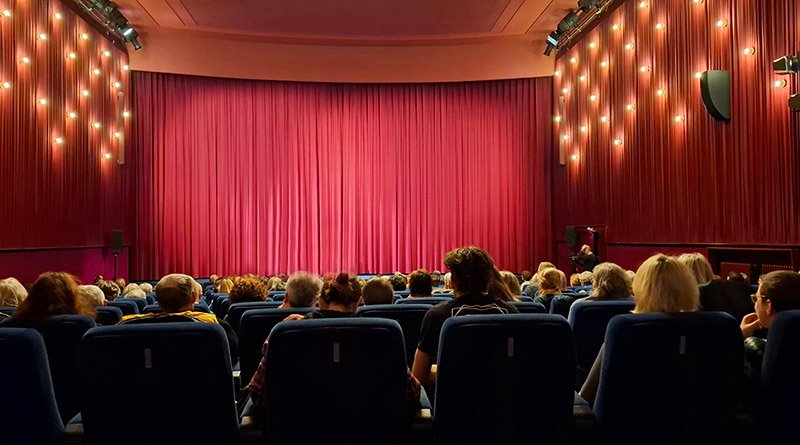
Berlinale in Berlin
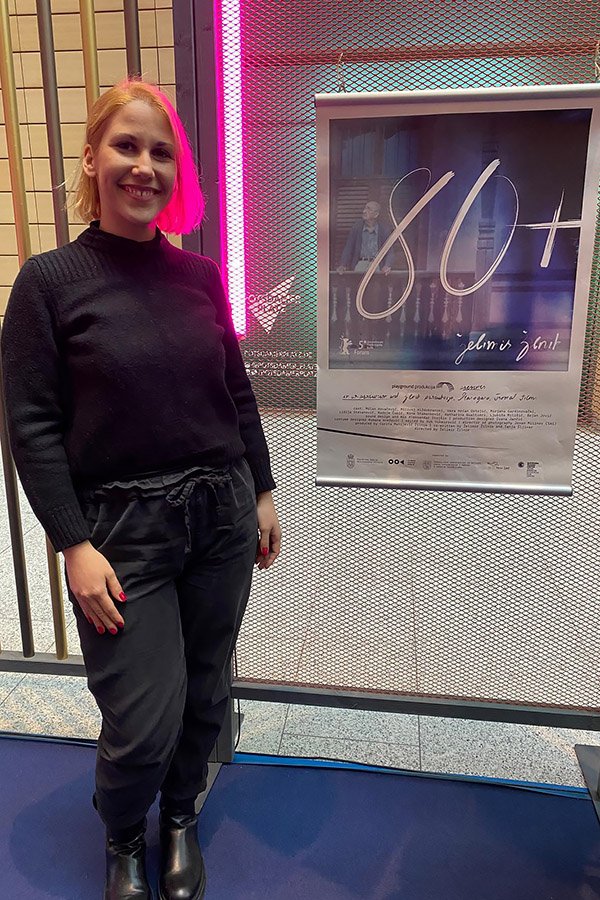
Attending the Berlin International Film Festival (Berlinale) was an unforgettable moment in my professional life. As a filmmaker whose film was screened at the festival, I found the experience especially meaningful. The film I worked on as a production manager, which was screened in the Forum section, is called “80+“.
The Berlinale is one of Europe’s largest film festivals – founded in 1951 in post-war Germany and held each February in Berlin. Festival was founded as a symbol of cultural freedom and artistic exchange in a divided city. Originally established under the guidance of U.S. film officer Oscar Martay, the first edition took place at the historic Titania-Palast cinema and was conceived as a “showcase of the free world.” Over the decades, the festival evolved from a local cultural initiative into one of the most influential film festivals in the world, alongside Cannes and Venice. After the fall of the Berlin Wall in 1989, the Berlinale expanded its reach, embracing more international voices and introducing new sections like Panorama, Forum, and Generation, reflecting social change and cinematic innovation. Today, it continues to serve not just as a celebration of film, but as a platform for dialogue, creativity, and cultural connection across borders. Over the years, the Berlinale red carpet has welcomed some of the world’s most iconic film stars, including Meryl Streep, George Clooney, Tilda Swinton, Brad Pitt, Cate Blanchett, Leonardo DiCaprio, and Julianne Moore, along with countless acclaimed directors and emerging talents from around the globe.
Visiting this festival was an extraordinary experience for me. What stood out most for me was the film market (the European Film Market, EFM), where film institutions from around the globe converge, open doors to new collaborations, and create opportunities for networking that are unique to similar festivals.
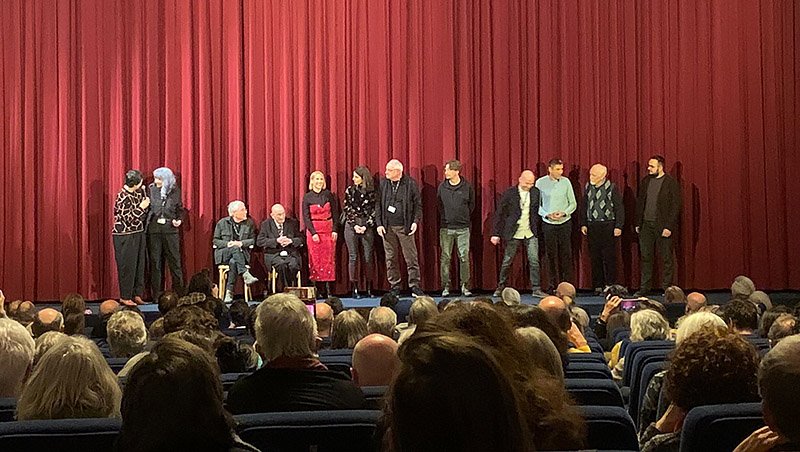
What to Expect at the Berlinale
At the Berlinale you’ll find much more than red carpets and premieres. Inside the festival you’ll encounter over 30 distinct programmes – competition, panorama, retrospectives, Berlinale Talents and more. For film professionals the EFM is a highlight: hundreds of screenings, co-production pitch sessions, and business events bringing together producers, sales agents, and distributors. On top of that, you’ll see stars, global media, and films with strong social and political voices – the festival doesn’t just celebrate cinema, it engages with the world.
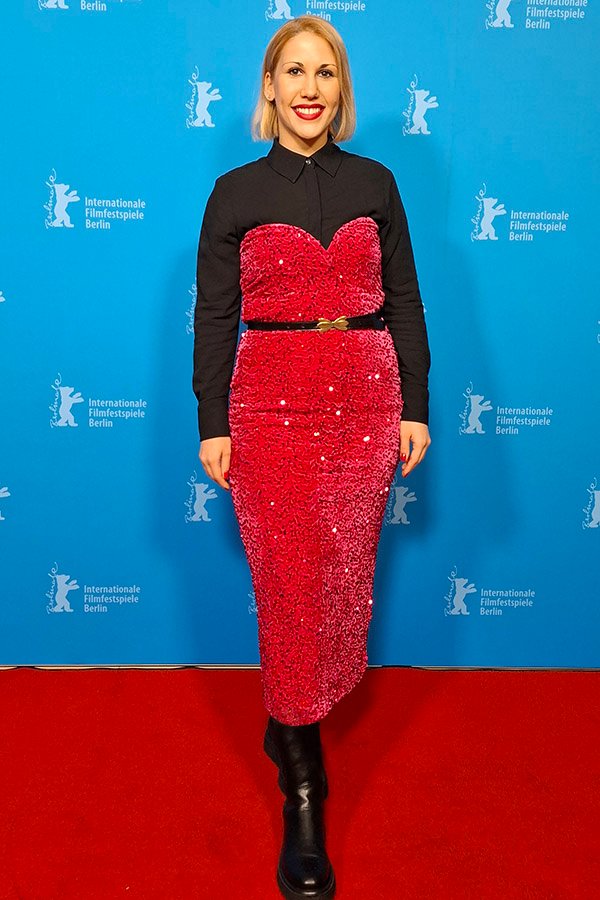
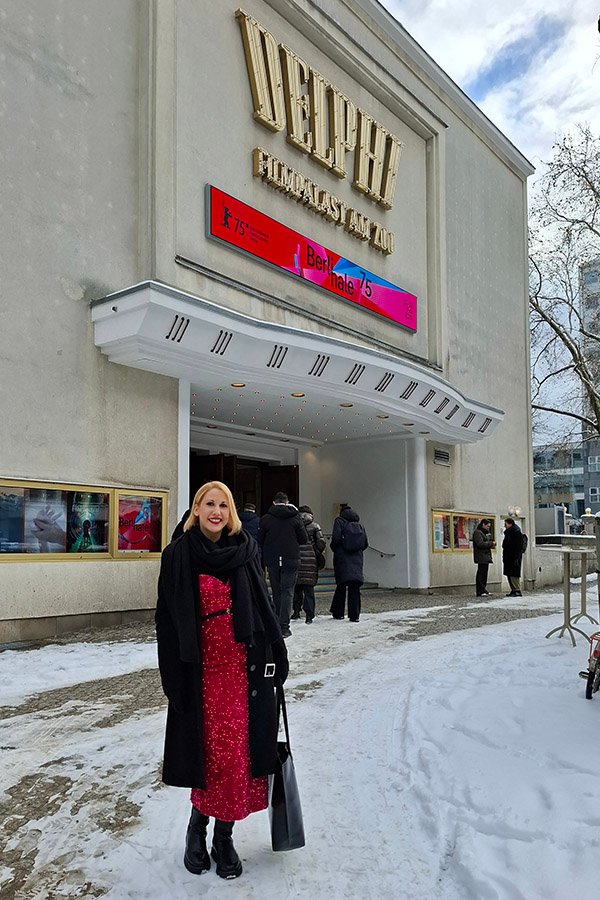
Why You Should Visit Berlinale
If you’re planning a trip to Berlin during winter, the Berlinale is definitely worth considering. The festival is a vibrant mix of art, industry, and culture. For someone like me, it validated the journey of making films and placed it in a global context. The ticket rush is real – you’ll need fast fingers when sales open because many screenings sell out almost instantly. And even if you’re not a filmmaker, attending a public screening or walking through the festival venues gives you an insider glimpse into a major international film event that shapes cinema, culture and conversation.
Tips and Essentials
🌐 OFFICIAL WEBSITE:
| Berlinale |