Sagrada Familia
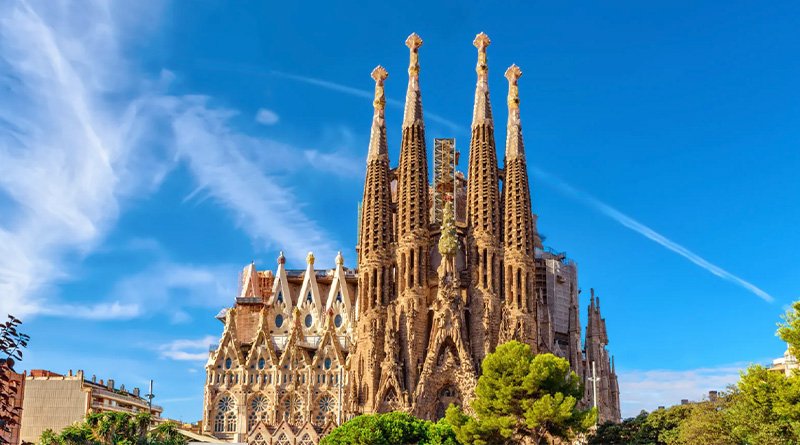
The Sagrada Familia is one of the most iconic landmarks in Barcelona and one of the most recognizable basilicas in the world. Designed by the legendary Catalan architect Antoni Gaudí, its construction began in 1882 and continues to this day, making it one of the longest-running architectural projects in modern history. The basilica is a masterpiece of Modernisme architecture, combining breathtaking facades, symbolic religious elements, and innovative structural design that reflects Gaudí’s deep connection to nature and spirituality. The Sagrada Familia isn’t just a famous tourist attraction – it’s a cultural symbol of Barcelona’s artistic legacy and Spain’s architectural evolution.
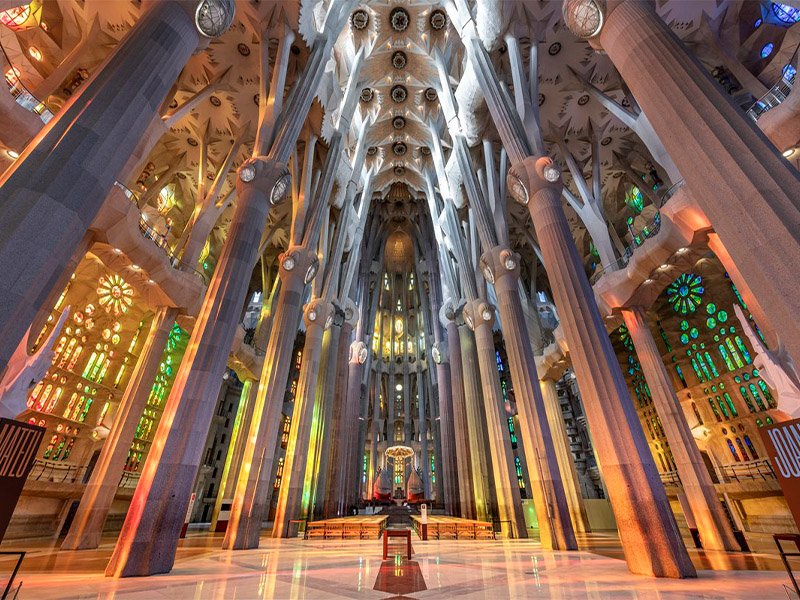
Unfortunately, I did not get the chance to visit the interior during my trip because I wasn’t well prepared with ticket reservations. So if you are planning to visit the Sagrada Familia, make sure to book your tickets online at least one month before your trip – otherwise, you may not be able to enter, as it is often fully booked. Also, prepare yourself for the crowds, as it is one of the most visited landmarks in the city. Also, prepare yourself for the crowds, as it is one of the most visited landmarks in the city. Also, prepare yourself for the crowds, as it is one of the most visited landmarks in the city.
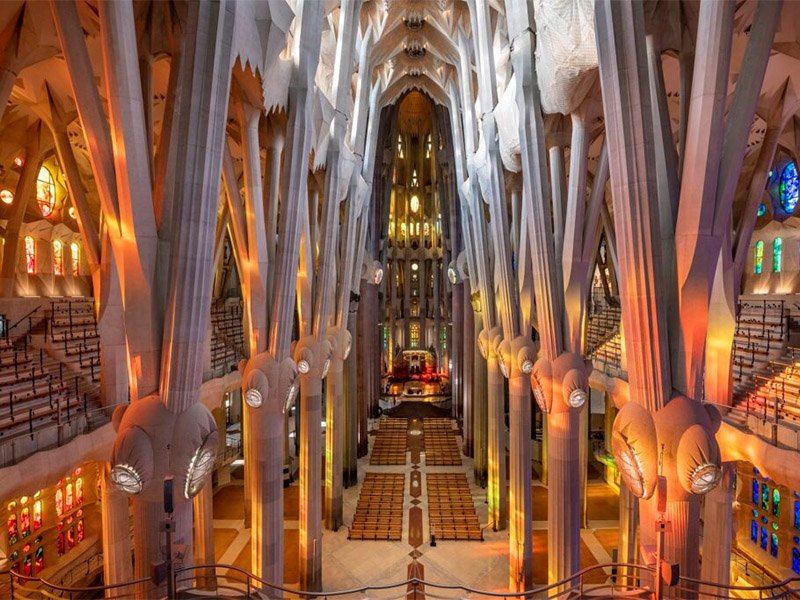
Why You Should Visit Barcelona’s Sagrada Familia
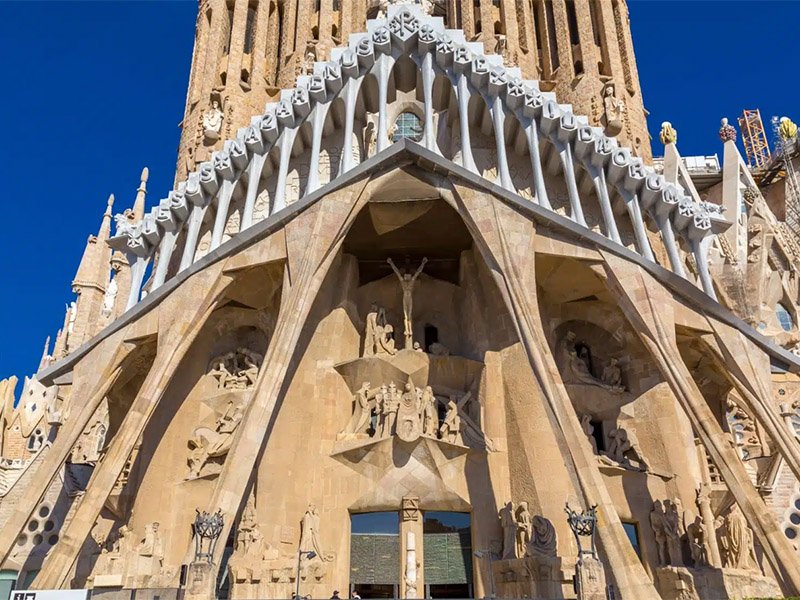
Even though I didn’t get the chance to step inside, the Sagrada Familia left a strong impression on me just from seeing it from the outside – and that alone is a reason to visit. This basilica isn’t just a building, it feels alive, constantly evolving, and full of meaning. The intricate facades are packed with symbolism that tells biblical stories through sculpture, while Gaudí’s organic shapes and nature-inspired details make the architecture feel almost dreamlike. Whether you’re passionate about history, art, architecture, or simply love experiencing something truly unique, the Sagrada Familia offers a moment of awe that stays with you. It’s the kind of place that reminds you how powerful human imagination can be – and it sparks a real desire to come back and finally step inside.
Tips and Essentials
📍ADDRESS:
Carrer de Mallorca, 401, L’Eixample, Barcelona, Spain
🚋 PUBLIC TRANSPORT NEARBY:
L2, L5, T4, 19, 33, 34, D50, H10, N1, N9
🕚 WORKING HOURS:
Find the opening hours HERE.
🎟️ TICKETS:
26 EUR | Tickets are available online.
More details
Find full price list here.
GIFT SHOP: ✅ | CAFÉ: 🚫
REST AREA: ✅ | TOILET: ✅
🌐 OFFICIAL WEBSITE:
Sagrada Família