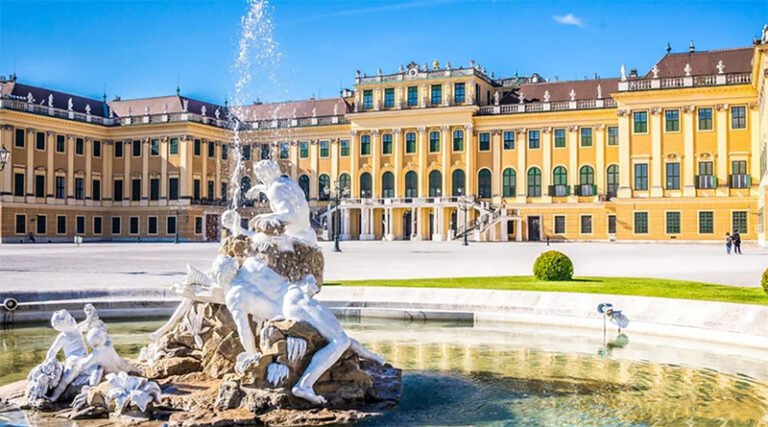
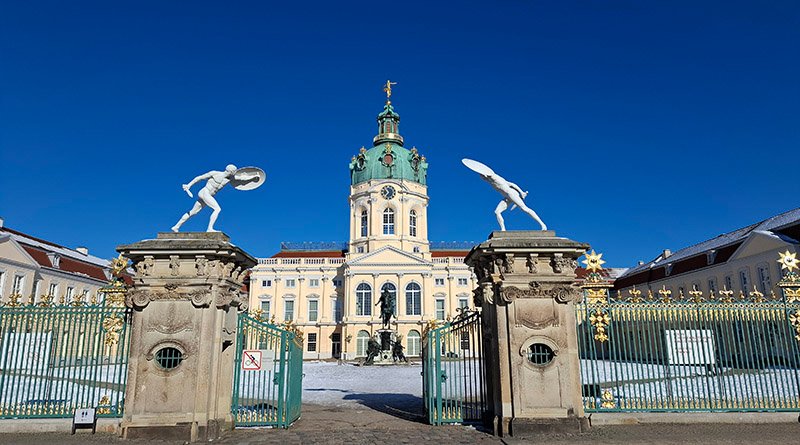
Charlottenburg Palace in Berlin
Visiting Charlottenburg Palace in Berlin felt like stepping back into the grandeur of the Prussian royal era. This stunning Baroque and Rococo masterpiece, originally built at the end of the 17th century for Queen Sophie Charlotte, wife of King Frederick I, is the largest and most magnificent palace in Berlin. My visit was truly memorable – a perfect mix of history, art, and storytelling. The beautifully preserved interiors and lavishly decorated rooms made me feel as if I had entered another century, surrounded by elegance and royal charm.
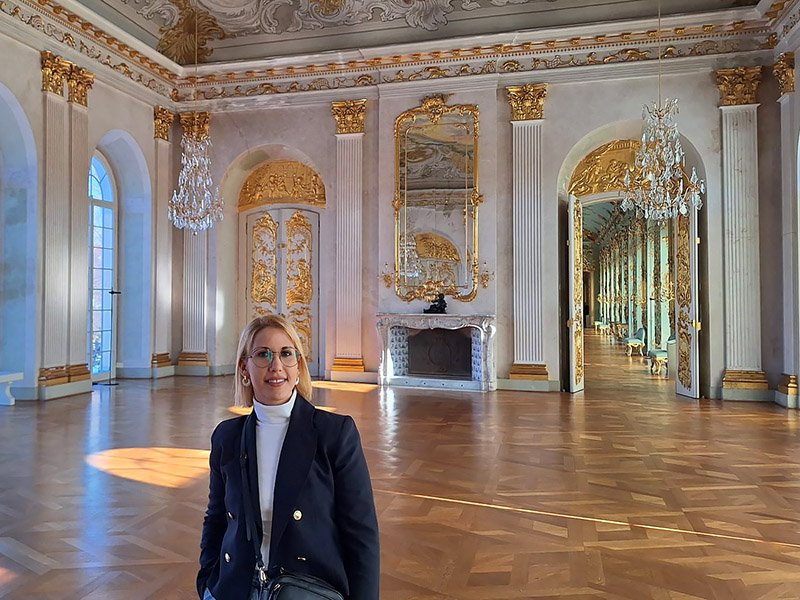
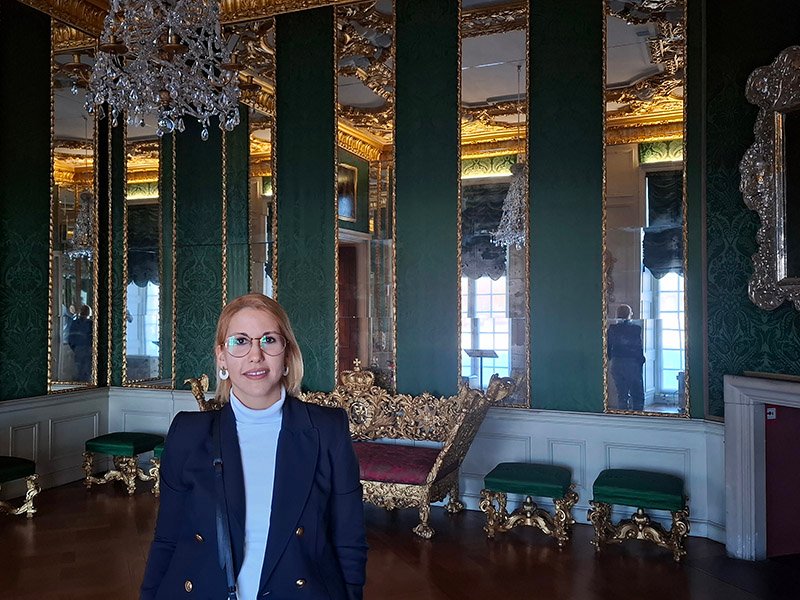
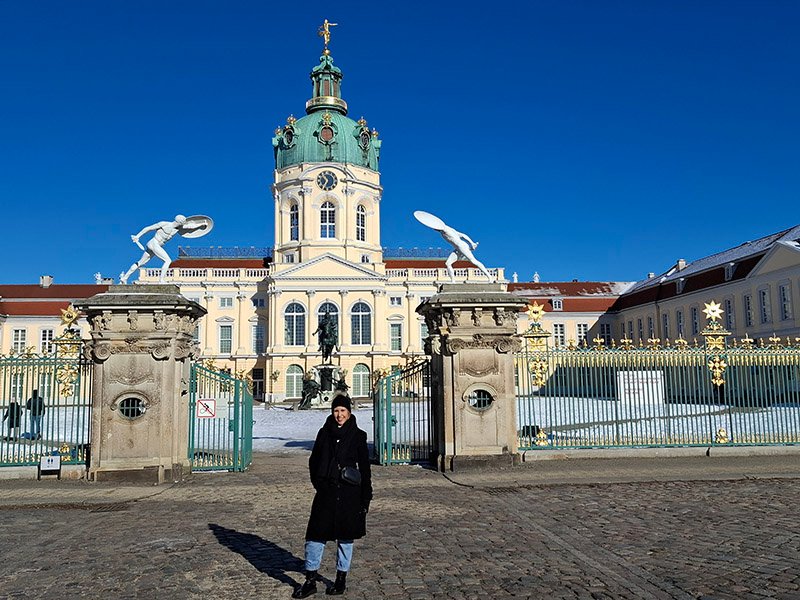
Inside the Charlottenburg Palace: What to See
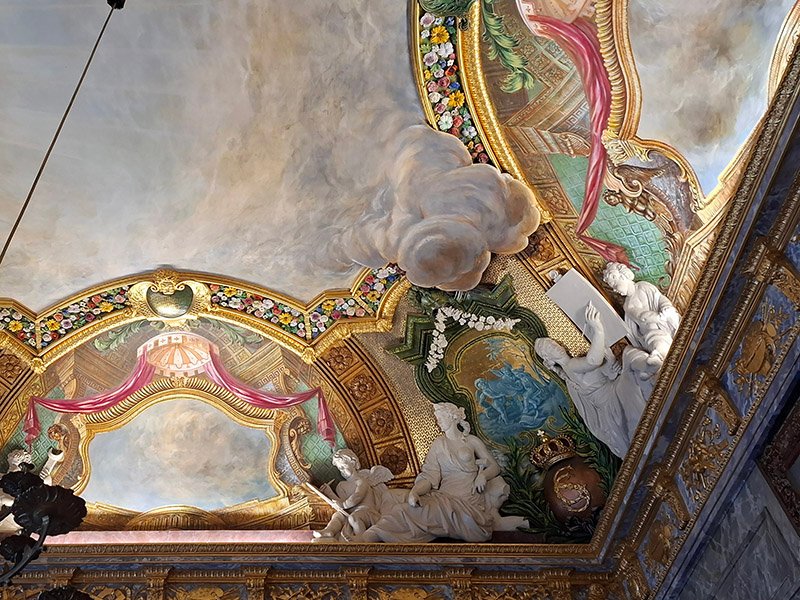
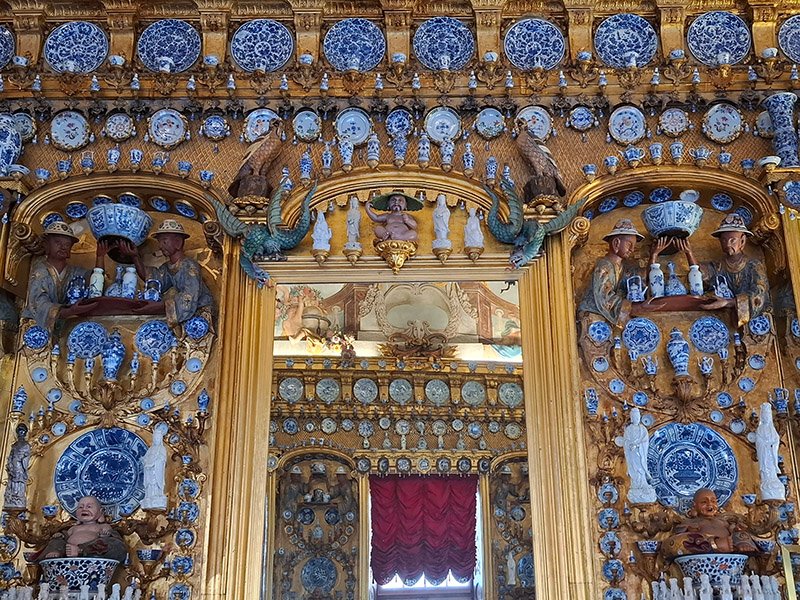
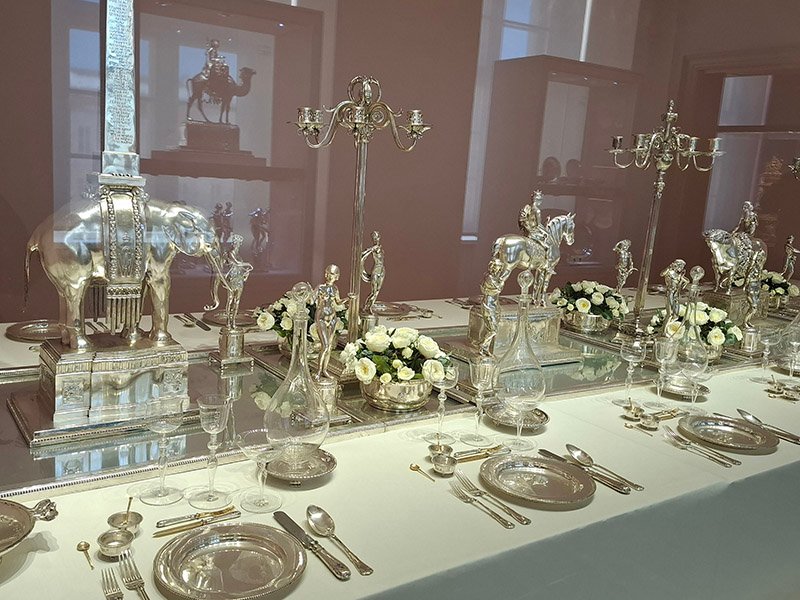
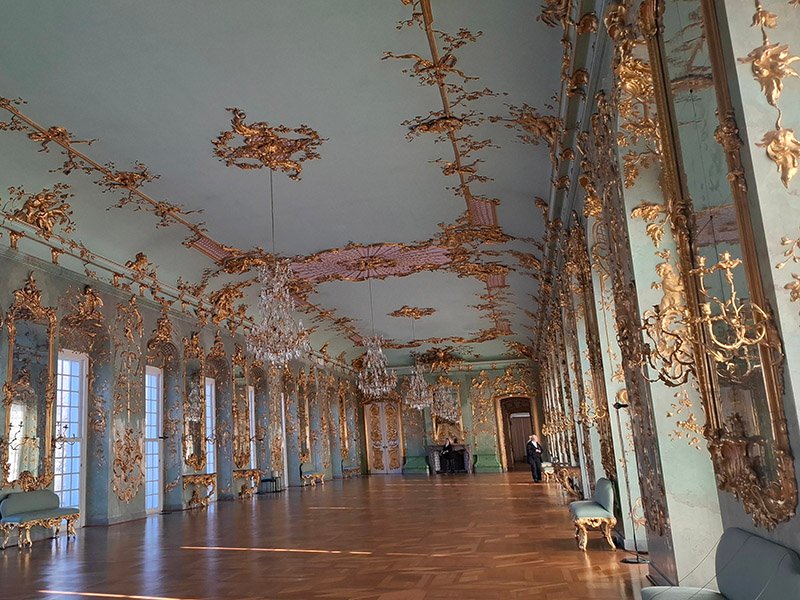
Inside, the palace houses an impressive collection of paintings, porcelain, silver, and antique furniture that showcase the luxury of the Prussian court. The Golden Gallery absolutely amazed me – it’s a masterpiece of Rococo design, with golden ornaments, mirrors, and ceiling frescoes that create an almost dreamlike atmosphere. The New Wing, added by Frederick the Great, offers a look into the king’s private chambers and art collection, including works by great masters like Watteau and Pesne. Don’t miss the Porcelain Cabinet, one of Europe’s most extraordinary collections of Chinese and Japanese ceramics, or the Mausoleum in the palace gardens, where several Prussian royals are buried.
Why You Should Visit Berlin’s Charlottenburg Palace
Charlottenburg Palace is one of those places that perfectly captures the soul of Berlin’s royal past. Even if you’re not a history lover, you’ll be fascinated by the palace’s architecture, symmetry, and storytelling details that bring the Prussian era to life. The vast palace gardens, inspired by Versailles, are ideal for a peaceful walk or photography, especially on sunny days. For me, this visit was not just about seeing beautiful rooms – it was about feeling the stories I had heard during the tour through the audio guide.
Tips and Essentials
📍ADDRESS:
Spandauer Damm 10-22, Berlin
🕚 WORKING HOURS:
April to October: Monday: closed; Tuesday – Sunday: 10:00 – 17:30
November to March: Monday: closed; Tuesday – Sunday: 10:00 – 16:30
🧑🎄 PUBLIC HOLIDAYS:
Christmas Eve: closed; Christmas Day: closed; New Year’s Eve: 10:00 – 14:00; New Year’s Day: 11:00 – 16:30
🔔 TIME NEEDED FOR THE VISIT:
2 – 3 hours
🚋 PUBLIC TRANSPORT NEARBY:
109, 139, 309, M45
🎟️ TICKETS:
19 EUR | SINGLE TICKET to all the museum institutions in the Palace. | Tickets available at the entrance.
More details
Single Ticket Old Palace = 12 EUR, reduced 8 EUR
Single Ticket New Wing = 12 EUR, reduced 8 EUR
Charlottenburg+ Ticket (all the SPSG museum institutions) = 19 EUR, reduced 14 EUR
Charlottenburg+ Family Ticket (Valid for up to 2 adults and up to 4 children belonging to the same family aged 18 or younger) = 45 EUR
FREE admission for:
One teacher for every ten pupils
Children under the age of 7
Full list find here.
GIFT SHOP: ✅ | CAFÉ: ✅
REST AREA: ✅ | TOILET: ✅
🌐 OFFICIAL WEBSITE:
Charlottenburg Palace – Old Palace
Interactivity and Guides
The visit to Charlottenburg Palace is self-guided but enhanced by audio tours available in multiple languages, offering insightful commentary about the palace’s history, art, and royal residents. Each room includes detailed descriptions that help you understand the symbolism and craftsmanship behind the exhibits. While there isn’t interactivity in a modern digital sense, the immersive atmosphere of the interiors – from the creak of wooden floors to the sparkle of chandeliers – creates its own kind of time-travel experience. For anyone who appreciates history, art, or interior design, Charlottenburg Palace is an inspiring stop that brings Berlin’s royal legacy vividly to life.