
Sao Jorge Castle in Lisbon
Visiting Sao Jorge Castle in Lisbon was one of those experiences that truly captures the charm of the city. This beautiful hilltop fortress is not just a historic site – it’s also one of the best places to enjoy panoramic views of Lisbon. The castle is especially worth visiting on a clear, sunny day when you can fully appreciate its atmosphere and the breathtaking scenery that surrounds it. Unfortunately, during my visit, the wind was quite strong, which made taking photos a bit challenging, but the beauty of the place still made it worthwhile.

Inside the Sao Jorge Castle: What to See
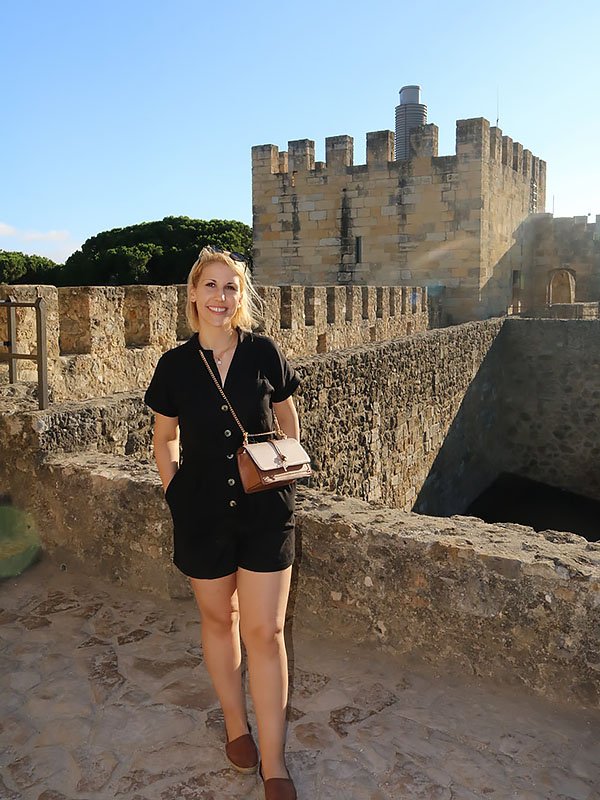
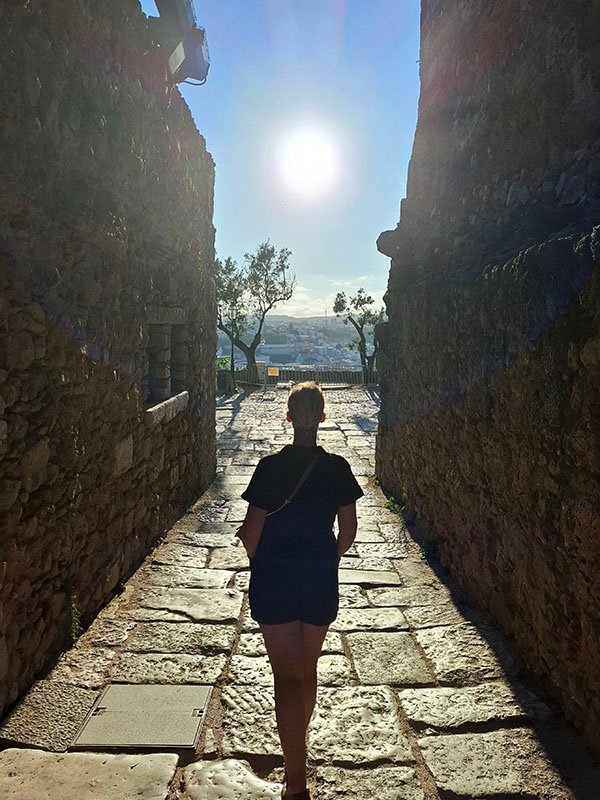
The castle grounds are spacious and inviting, perfect for a relaxed walk among ancient walls and stone towers. From the top, the views stretch across the red rooftops of Lisbon, the Tagus River, and the nearby Alfama district. I enjoyed exploring the small museum inside, which gives insight into the history of the fortress and the city itself. There are plenty of benches where you can take a break, enjoy the breeze, or simply take in the surroundings. Climbing the narrow stone steps to reach the higher towers was exciting – although, I have to admit, coming down felt a bit intimidating for someone like me who’s afraid of heights!
Why You Should Visit Lisbon’s Sao Jorge Castle
If you’re planning a trip to Lisbon, São Jorge Castle is definitely worth adding to your itinerary. It offers a mix of history, architecture, and unbeatable city views all in one spot. Whether you’re a history lover, a photographer, or simply looking for a peaceful place to walk and relax, the castle has something for everyone. Just make sure to go on a pleasant day – the experience is so much better when the weather cooperates! Despite the windy conditions during my visit, I left with beautiful memories and a deeper appreciation for Lisbon’s rich past.
Tips and Essentials
📍ADDRESS:
R. de Santa Cruz do Castelo, Lisboa
🕚 WORKING HOURS:
Winter Time (November 1st – February 28th/29th): 09:00 – 18:00
Summer Time (March 1st to October 31st): 09:00 – 21:00
🧑🎄 PUBLIC HOLIDAYS:
January 1st, May 1st, December 24th, 25th, and 31st: closed;
December 31st, the castle closes at 13:00
🔔 TIME NEEDED FOR THE VISIT:
2 hours
More details
1 HOUR | Quick tour of the main parts of the castle, its walls, and smaller terraces.
2 HOURS | Tour of all parts of the fortress and the museum exhibits.
3 HOURS | Visit of the fortress, museum exhibits, walking and taking photos, drink at the cafe.
🚋 PUBLIC TRANSPORT NEARBY:
737, 28E, METRO
How to arrive (detailed) – Castelo de São Jorge
🎟️ TICKETS:
15 EUR | Tickets available at the entrance or online: Tickets | Castle of São Jorge
More details
ALL PRICES:
Adult ticket (26 to 64 years) = 15EUR
Youth (13 to 25 years old) = 7.50EUR
Children < 12 years old = 0.00EUR
Seniors (> 65 years old) = 12.50EUR
Persons with Specific Needs = 10.50EUR
Culture Professionals = 10.50EUR
CML Employees = 12EUR
Cooperation Protocols = 12EUR
School Groups = 1.50EUR
Assistant to Person with Specific Needs = FREE
Portuguese National War Veteran = FREE
GROUP TICKETS:
Tour Operator = 15EUR
School Groups = 1.50EUR
School Groups with students up to 12 years old = 0.00EUR
GIFT SHOP: ✅ | CAFÉ: ✅
REST AREA: ✅ | TOILET: ✅
More details
GIFT SHOP | The castle’s gift shop offers a variety of products inspired by its museum and archaeological collections, featuring designs related to its architectural and natural heritage.
CAFÉ “LOVELY CASTELO” | Cafe offers light meals, drinks, and snacks, along with some of the best views in the city. It is open year-round, following the castle’s regular opening hours.
REST AREA | When you enter the castle, you will find benches in various spots where you can rest from walking and taking photos.
🌐 OFFICIAL WEBSITE:
Castelo de São Jorge