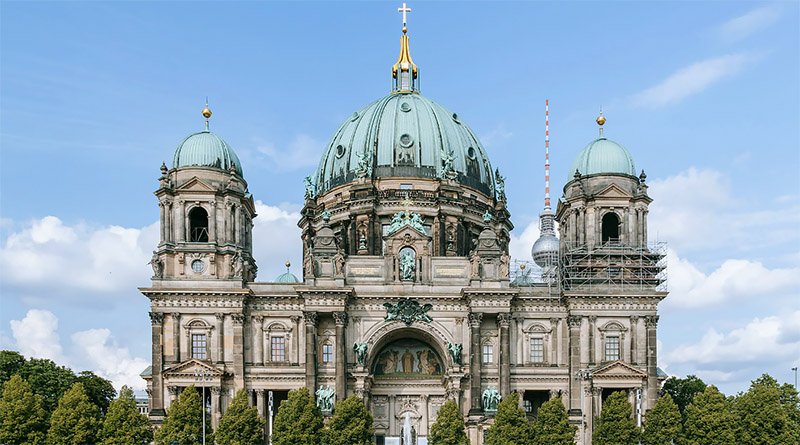
Berlin Cathedral “Berlin Dom”
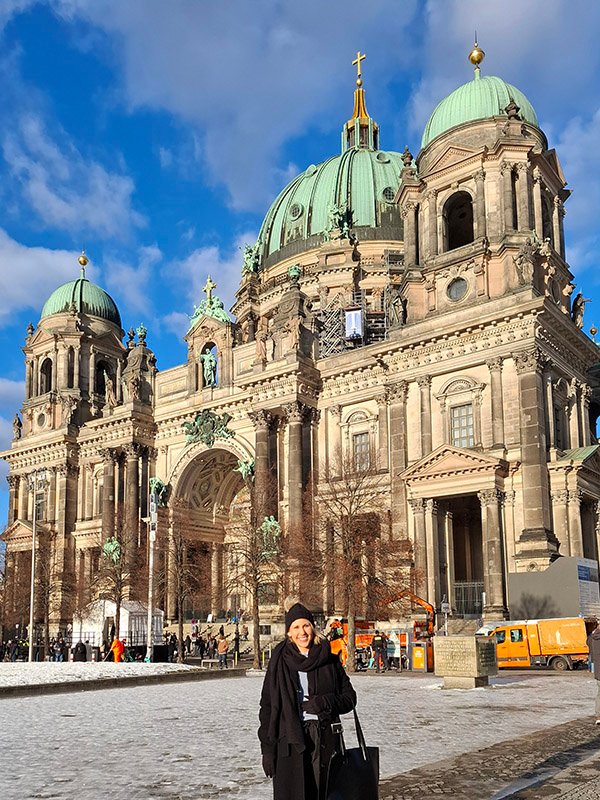
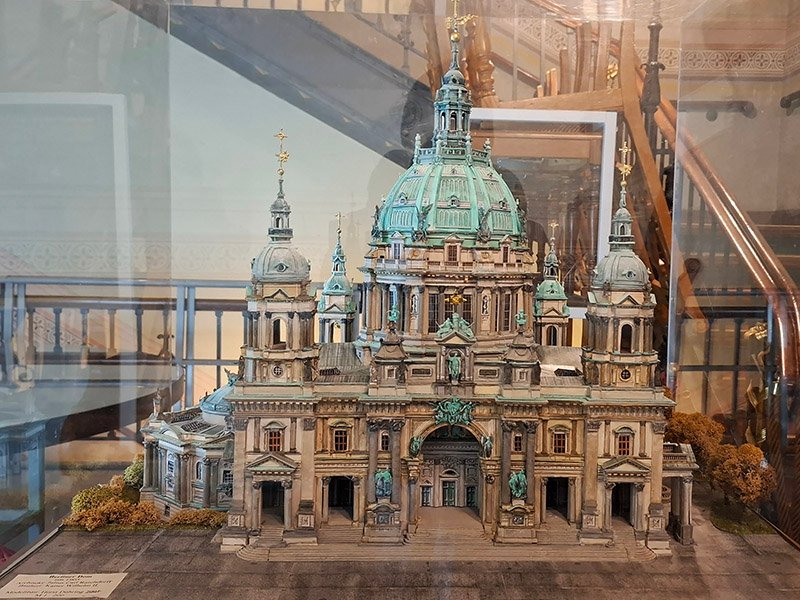
The Berlin Cathedral – Berlin Dom, is one of the city’s most recognizable landmarks, located on Museum Island by the River Spree. Built between 1894 and 1905 under Emperor Wilhelm II, this Neo-Renaissance building was designed to represent the prestige of the German Empire and the Protestant church. My visit was an interesting experience – I didn’t take a guided tour, but walking through the grand interior gave me a good sense of the cathedral’s scale and history. While it didn’t leave a particularly strong impression, I appreciated the architectural details, the peaceful atmosphere, and the view of the vast dome that dominates the space.
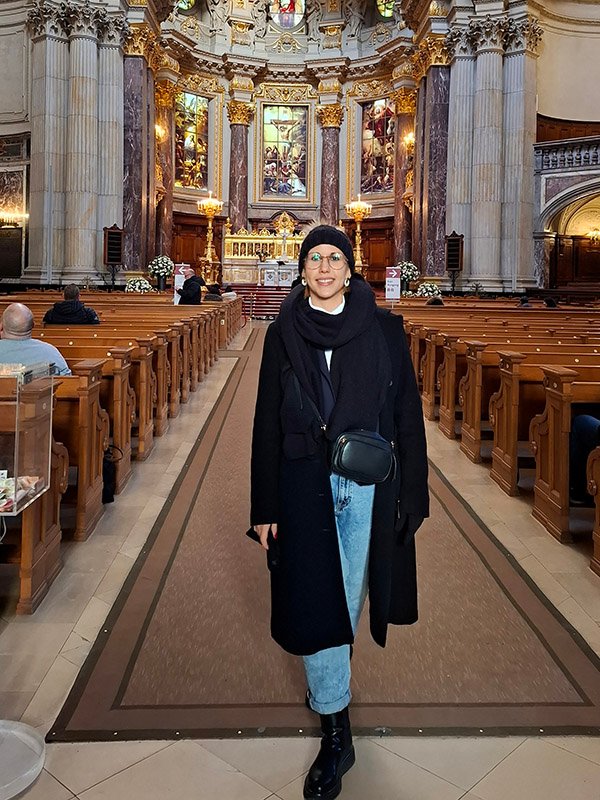
Inside the Berlin Cathedral: What to See
The interior features ornate decorations, detailed mosaics, and the impressive Sauer organ, which remains one of the largest in Germany. Visitors can also see the crypt of the Hohenzollern dynasty, resting place of Prussian royals that reflects the city’s royal past. The highlight for many is the dome’s viewing platform, which offers panoramic views over Berlin – though reaching it requires climbing a long and tiring staircase. I visited during winter, and walking on the metal rooftop was a bit uncomfortable and slippery, so if you’re visiting in the colder months, I’d recommend the Berlin TV Tower instead for an easier and safer view.
Why You Should Visit Berlin Cathedral
Even if it doesn’t feel as striking as some of Berlin’s more modern landmarks, Berlin Cathedral is worth visiting for its history and architectural value. It’s an important piece of the city’s cultural heritage, restored after heavy damage during World War II and reopened to the public in 1993. The view from the top is beautiful, especially on a clear day, and the interior offers a quiet moment away from Berlin’s busy streets. Before you go, it’s best to check the official website for current opening hours – I learned that the hard way, as the cathedral was closed the first time I visited.
Tips and Essentials
📍ADDRESS:
Am Lustgarten, Berlin
🕚 WORKING HOURS:
Mon – Fri: 09:00 – 19:00
Sat: 09:00 – 17:00
Sun: 12:00 – 17:00
🚋 PUBLIC TRANSPORT NEARBY:
BUS 100, 300, N5, U5
🔔 TIME NEEDED FOR THE VISIT:
1.50 hours
More details
45 MIN | Quick visit (main nave and observation dome).
1.5 HOURS | Detailed visit (including crypt, dome climb, and exhibition areas).
🎟️ TICKETS:
10 EUR | Tickets available at the entrance and online at the page: Visiting Berlin Cathedral
GIFT SHOP: ✅ | CAFÉ: ✅
REST AREA: ✅ | TOILET: ✅
More details
GIFT SHOP | It sells souvenirs related to Berlin Cathedral, including postcards, books, icons, magnets, and other gifts.
CAFÉ | It is located inside the cathedral, near the entrance, and offers refreshments, cakes, and light meals.
🌐 OFFICIAL WEBSITE:
Berliner Dom
Interactivity and Guides
You can choose between a self-guided visit or a guided tour. I opted for the self-guided option, where an audio guide is available, but you can also simply enjoy the view and imagine on your own what this building has witnessed throughout history. Guided tours are available and would likely offer a more in-depth experience – something I would consider if visiting again. Even without one, it’s easy to navigate the space and take in the details at your own pace. While the cathedral didn’t captivate me as much as some other Berlin attractions, it remains a notable stop for those interested in history, architecture, or photography.
You can find more details about guided tours here – Guided tours | Berliner Dom.