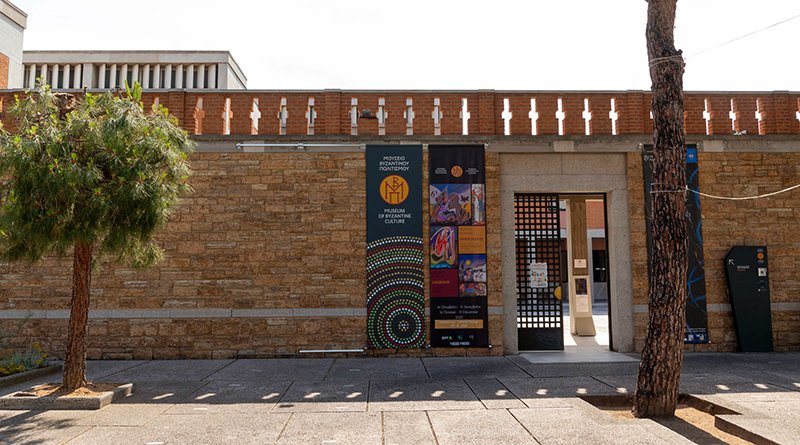
Museum of Byzantine Culture in Thessaloniki
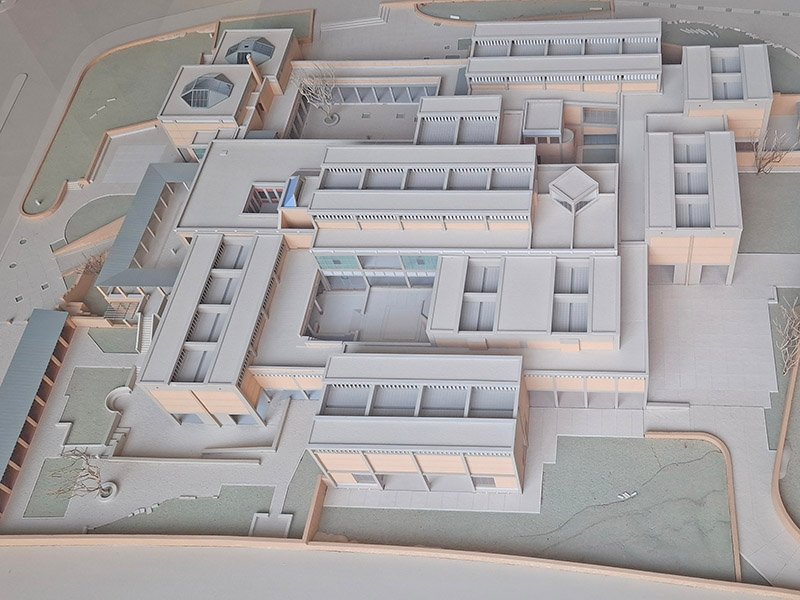
The Museum of Byzantine Culture in Thessaloniki is one of the city’s most important cultural institutions, offering a deep look into the Byzantine Empire and its influence on Greek history. Opened in 1994 and designed by renowned architect Kyriakos Krokos, the museum has become an award-winning landmark known for its elegant architecture and immersive exhibitions. For anyone interested in understanding the city’s rich past – especially its role as a major Byzantine center – this museum is a must-visit destination that blends education, history, and atmosphere seamlessly.
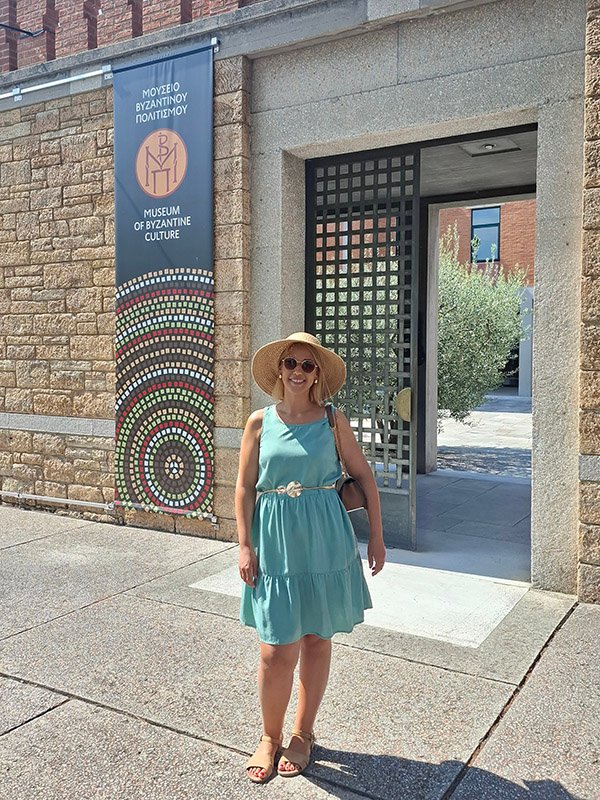
Inside the Museum of Byzantine Culture: What to See
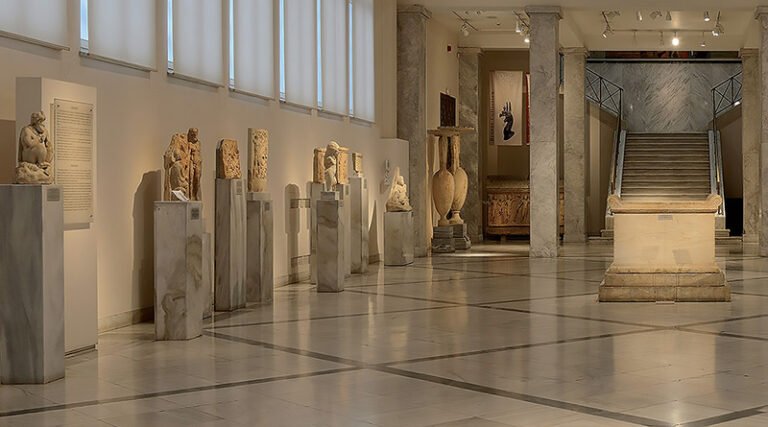
Inside the Museum of Byzantine Culture, you’ll find an impressive array of artifacts spanning from early Christianity to the fall of the Byzantine Empire. The permanent exhibitions include icons, mosaics, frescoes, coins, manuscripts, jewelry, everyday household items, and reconstructed architectural elements that show how people lived, worshiped, and built their world. Many artifacts were discovered in Thessaloniki itself, which gives an authentic sense of place and connection to the city’s layered history. Each hall is organized thematically, making it easy to follow the timeline and evolution of Byzantine culture across different centuries.
Why You Should Visit Thessaloniki’s Museum of Byzantine Culture
If you’re a history lover or simply curious about Greece beyond its ancient ruins, this museum offers one of the most comprehensive insights into Byzantine heritage in the entire country. It’s thoughtful, educational, and visually rich, allowing you to understand how Thessaloniki grew as a major artistic, spiritual, and commercial center during Byzantine times.
Tips and Essentials
📍ADDRESS:
Stratou Avenue 2, Thessaloniki
🕚 WORKING HOURS:
Winter Season: (1 November – 31 March)
Monday, Wednesday to Sunday: 08:30 – 15:30; Tuesday: Closed
Summer Season: (1 April – 31 October)
Monday to Sunday: 08:00 – 20:00
🔔 TIME NEEDED FOR THE VISIT:
2 hours
🚋 PUBLIC TRANSPORT NEARBY:
01N, 01X, 1N, 03K, 05, 05A, 05B, 06, 10, 11, 11B, 11E, 11M, 12, 31, 33, 33A, 33B, 39, 39A, 39B, 45Y, 70, 70A, 71, 71A
🎟️ TICKETS:
8 EUR | Tickets available at the entrance.
More details
General admission: 8€
Reduced: 4€
GIFT SHOP: ✅ | CAFÉ: 🚫
REST AREA: ✅ | TOILET: ✅
More details
GIFT SHOP | The visitor can buy publications related to cultural, archaeological, historical issues, books on art, books for children, replicas of archaeological objects, from the antiquity until the post-Byzantine era, modern constructions inspired by the Museum’s exhibits, clothing, jewelry, practical gifts, toys, posters and postcards etc.
REST AREA | The rest area is located in various places inside the museum.
🌐 OFFICIAL WEBSITE:
Museum of Byzantine Culture Thessaloniki
Interactivity and Guides
While the museum offers its own app with an audio guide, my experience with it was mixed – the concept is great, but many of the recordings didn’t load properly, which disrupted the flow of the visit. Still, the museum itself is rich enough that even without a perfect audio guide, history lovers will find plenty to enjoy thanks to clear signage and well-organized rooms. There is a possibility that the app may not have been working at its best temporarily, and that you will have a different experience during your visit.
My personal experience was very positive overall: the vast number of artifacts and the quality of the exhibitions make this a rewarding visit, especially if you appreciate historical depth and cultural heritage.