National Art Museum of Catalonia in Barcelona
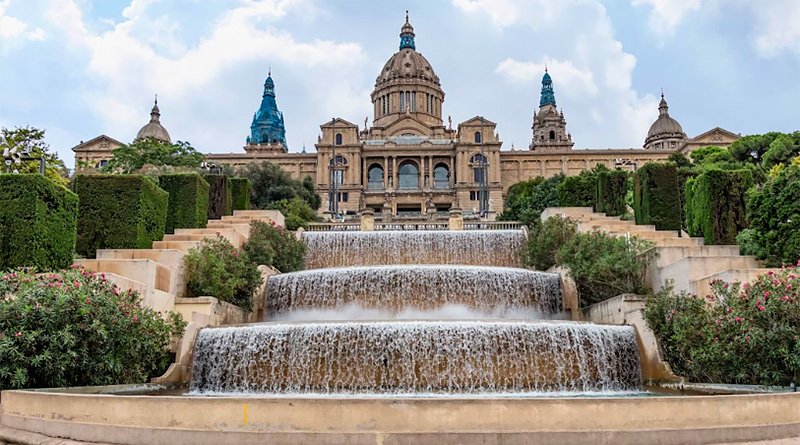
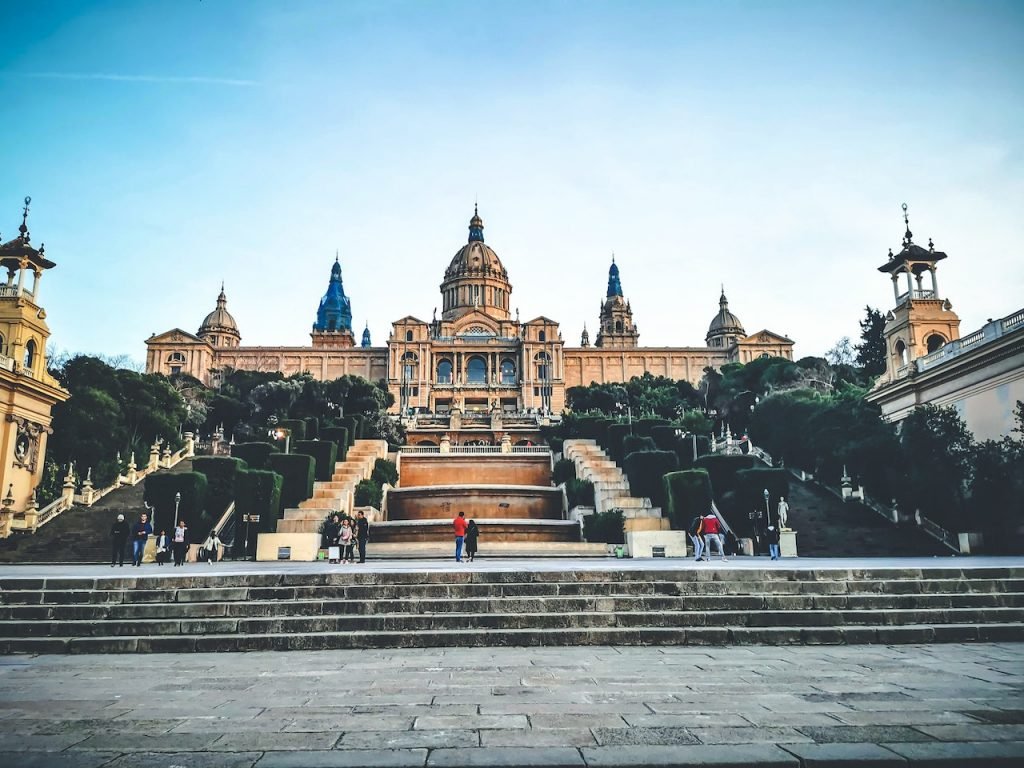
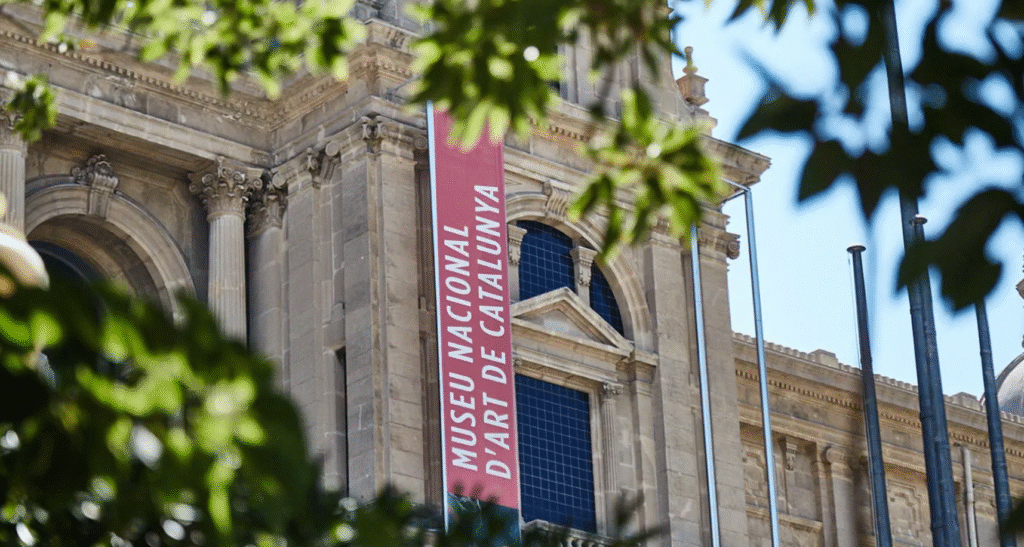
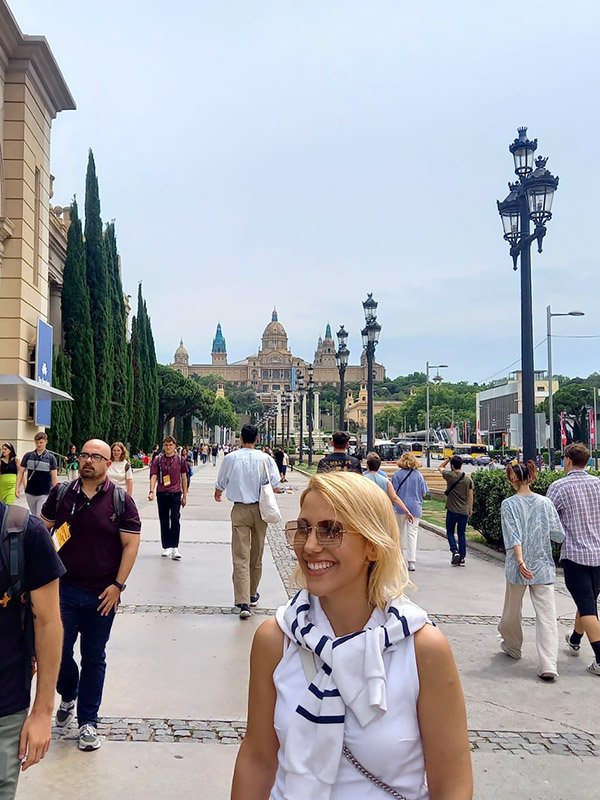
The National Art Museum of Catalonia in Barcelona, known locally as Museu Nacional d’Art de Catalunya (MNAC), is one of the city’s most iconic cultural landmarks. Housed in the grand Palau Nacional, a palace built for the 1929 International Exhibition, the museum today holds one of the most important collections of Catalan art in the world. From medieval Romanesque frescoes rescued from Pyrenean churches to Modernist works that shaped Barcelona’s cultural identity, the MNAC offers visitors a journey through over a thousand years of art and history. With its commanding location on Montjuïc Hill and breathtaking views of the city, it’s not just a museum visit – it’s an experience that blends art, history, and architecture all in one.
Inside the National Art Museum: What to See
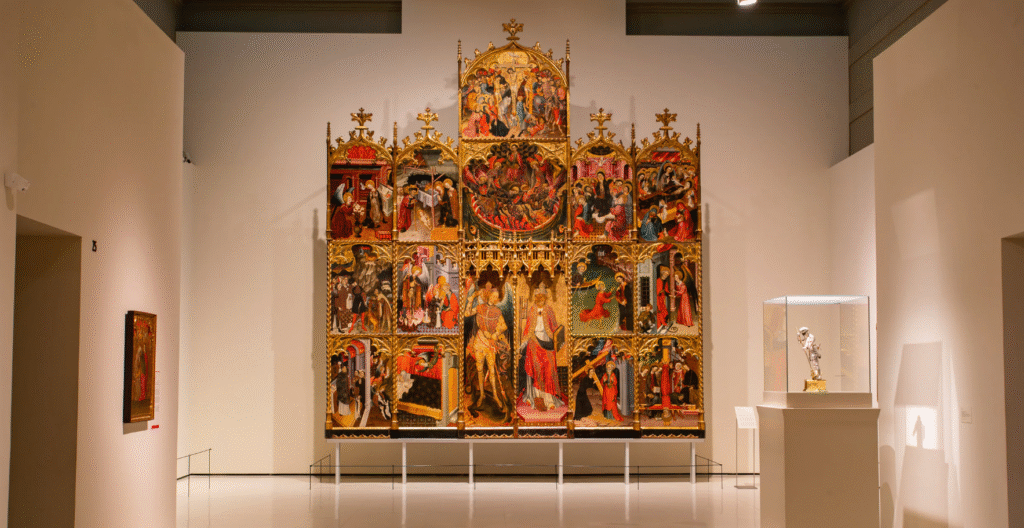
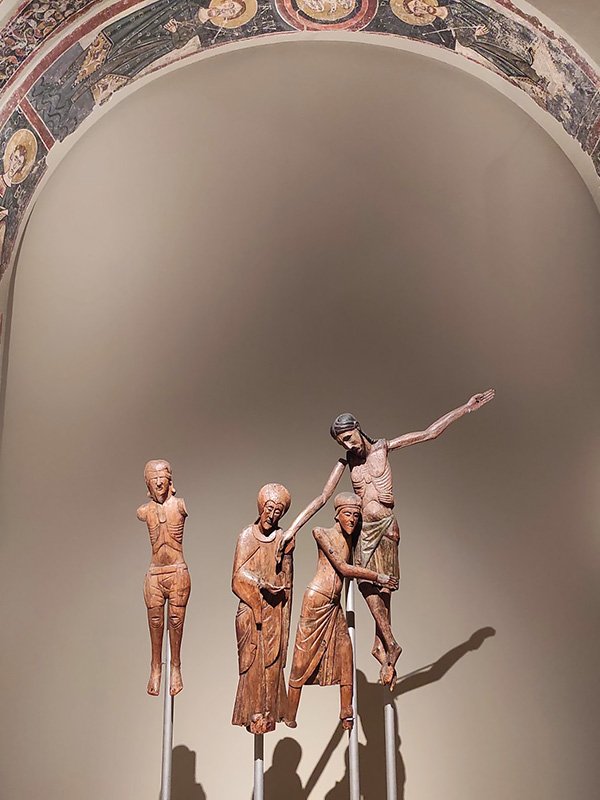
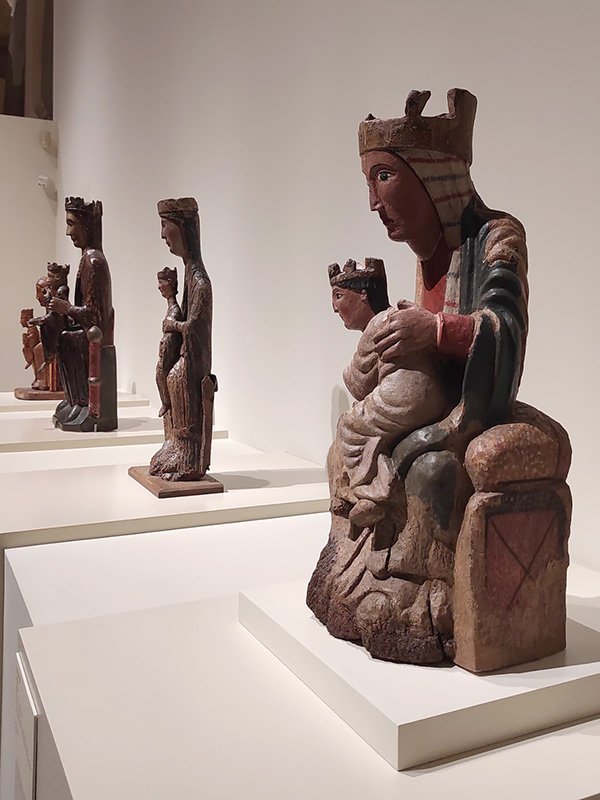
The collection inside is just as spectacular as the architecture. The MNAC houses an extraordinary range of Catalan art, spanning from the Romanesque period to the 20th century. What makes it especially unique is its unrivaled display of Romanesque frescoes, rescued from small churches across the Pyrenees and carefully restored inside the museum. Standing in those reconstructed apses feels like stepping back in time.
But MNAC isn’t only about medieval treasures. You’ll also find masterpieces from the Renaissance, Baroque, and an impressive collection of modern Catalan artists, including works by names like Gaudí, Nonell, and Rusiñol.
Why You Should Visit Barcelona’s National Art Museum
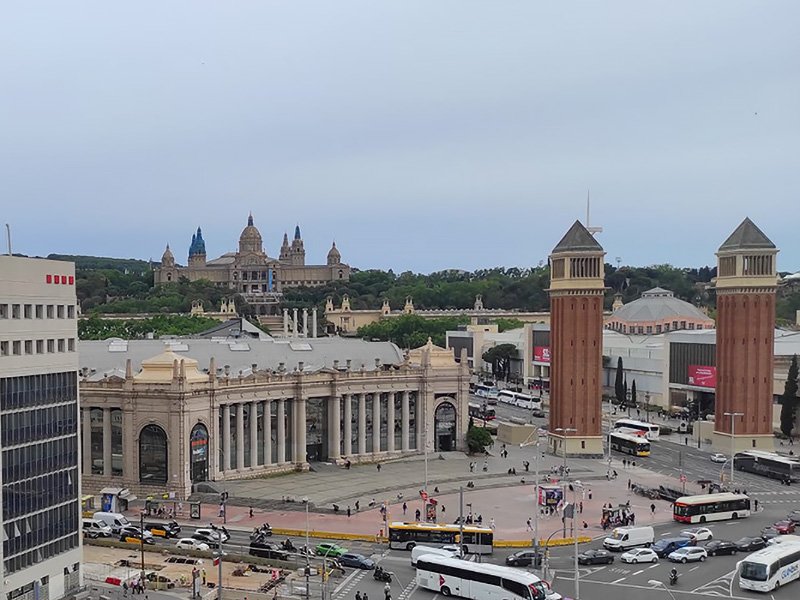
I recommend visiting this museum on a pleasant day so you can really enjoy the climb up the steps and spend some time in front of the building, where a panoramic view of Barcelona opens up, stretching all the way down to Plaça d’Espanya. It’s the kind of spot where you’ll want to pause for photos before stepping inside to explore the galleries.
For anyone curious about the evolution of Catalan identity through art, this museum is an absolute must. This isn’t just a museum – it’s a cultural journey through centuries of Catalan history and creativity. From medieval frescoes to modernist masterpieces, it offers a rich, immersive experience that left me feeling more connected to the city’s identity.
Tips and Essentials
📍ADDRESS:
Palau Nacional, Parc de Montjuïc, s/n, Sants-Montjuïc, Barcelona
🕚 WORKING HOURS:
Winter Hours (October to April):
Tue – Sat: 10:00 – 18:00,
Sun: 10:00 – 15:00,
Mon: closed
Summer Hours (May to September):
Tue – Sat: 10:00 – 20:00,
Sun: 10:00 – 15:00,
Mon: closed
🧑🎄 PUBLIC HOLIDAYS:
Public holidays: 10:00 – 15:00
Mondays closed, except public holidays.
Annual closing: January 1st, May 1st and December 25th
🔔 TIME NEEDED FOR THE VISIT:
2 HOURS
More details
1.5 – 2 HOURS | Basic visit.
2.5 – 3 HOURS | Detailed visit with an audio guide.
🚋 PUBLIC TRANSPORT NEARBY:
55, 125, 150
🎟️ TICKETS:
12 EUR | Tickets available at the entrance.
❗To avoid waiting in lines, I recommend purchasing the BARCELONA CARD – no extra charge for the National Art Museum.
More details
With the Barcelona Card you have free entry to the National Art Museum, and if they require you to have a printed ticket, don’t wait in line – just mention that you have the card and you will immediately receive everything you need for admission.
Check out the full list of museums included in the Barcelona Card HERE.
Prices at the entrance:
General admission = 12EUR
Basic admission = 2EUR
Under 16 and over 65 = FREE
Admission to the museum is free every Saturday from 3 pm, every first Sunday of the month and open doors days, but early online admission must be reserved for better control of capacity and to improve the quality of the visit.
GIFT SHOP: ✅ | CAFÉ: ✅ | RESTAURANT: ✅ | REST AREA: ✅ | TOILET: ✅
More details
GIFT SHOP | It offers a wide range of books, posters, souvenirs, and items inspired by Catalan art.
CAFÉ | Oval Café is located in the beautiful lobby space of the building and provides an excellent place to rest and refresh.
RESTAURANT | Absis Restaurant offers Mediterranean cuisine with seasonal, high-quality products. It is located in the former Throne Room of the National Palace.
🌐 OFFICIAL WEBSITE:
Museu Nacional d’Art de Catalunya
Interactivity and Guides
The National Art Museum of Catalonia offers several ways to make your visit more enriching. You can explore on your own, but I highly recommend using the audio guide or joining one of the guided tours.